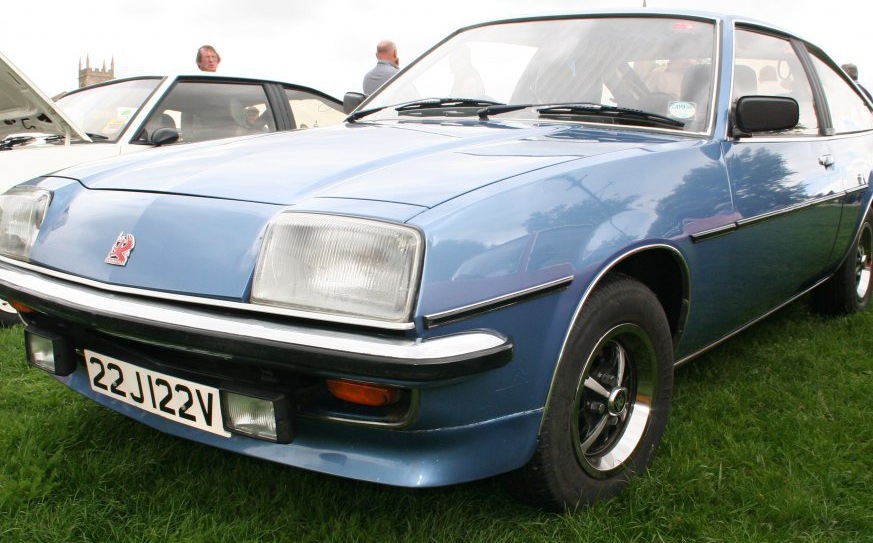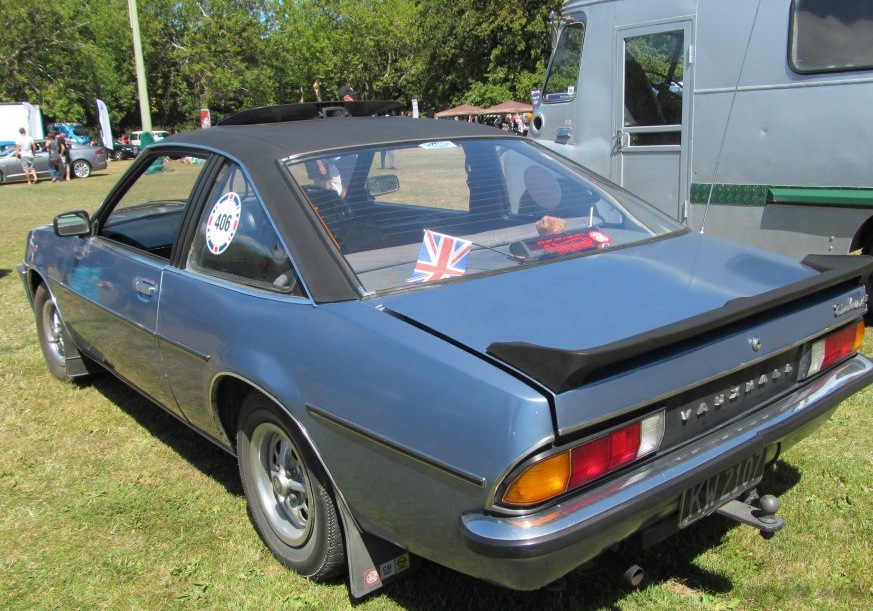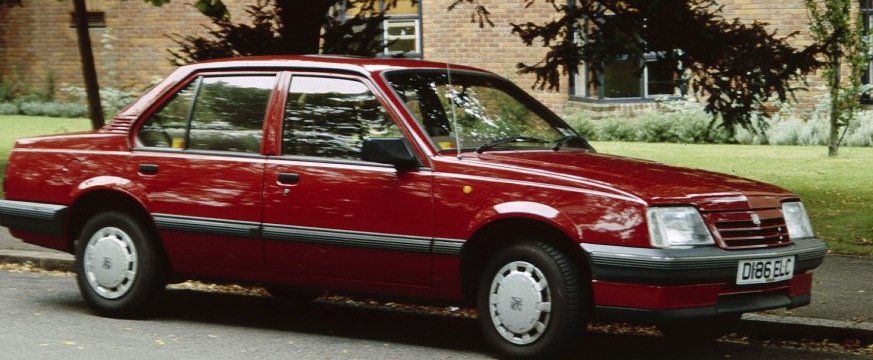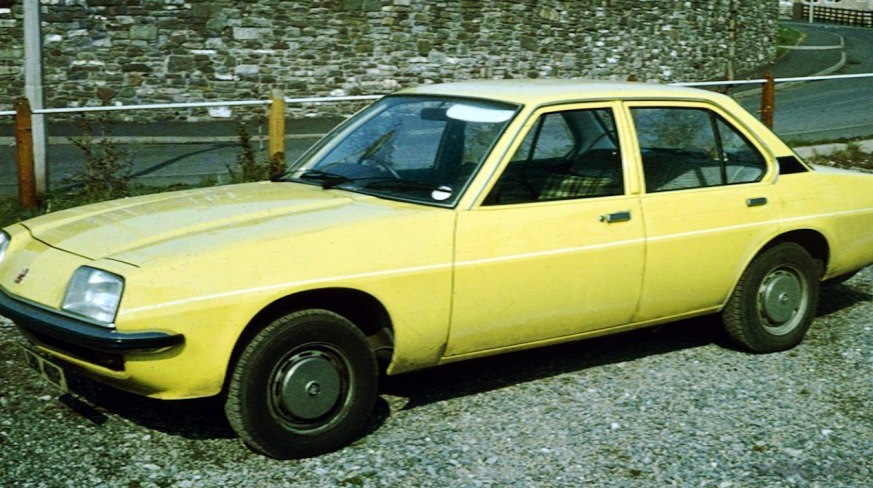
The Vauxhall Cavalier 1.3 N, produced between 1979 and 1981, represented the entry point into the second-generation (Mk2) Cavalier range. This model, designated internally as the BE/BD series, was a crucial part of Vauxhall’s strategy to offer a competitive family saloon in the British market. Positioned as the most affordable variant, the 1.3 N catered to buyers prioritizing economy and practicality over outright performance. It served as a stepping stone into the Cavalier lineup, offering a more spacious and modern alternative to the smaller Vauxhall Viva and Chevette.
Technical Specifications
| Brand | Vauxhall |
| Model | Cavalier |
| Generation | Cavalier (Mk2 – BE/BD) |
| Type (Engine) | 1.3 N (60 Hp) |
| Start of production | 1979 |
| End of production | 1981 |
| Powertrain Architecture | Internal Combustion Engine |
| Body type | Sedan |
| Seats | 5 |
| Doors | 4 |
| Fuel Type | Petrol (Gasoline) |
| Power | 60 Hp |
| Engine Model/Code | 13N, 13NB |
| Engine aspiration | Naturally aspirated |
| Engine oil capacity | 2.5 l (2.64 US qt | 2.2 UK qt) |
| Coolant capacity | 5.8 l (6.13 US qt | 5.1 UK qt) |
| Drivetrain | Rear wheel drive |
Powertrain & Engine Architecture
The heart of the Cavalier 1.3 N was the 13N (and later 13NB) engine, a 1296cc inline-four cylinder petrol engine. This engine was a relatively simple design, featuring a single overhead camshaft (SOHC) operating two valves per cylinder. Fuel delivery was managed by a single Zenith 36 IDF downdraft carburetor, a common setup for the era. The engine’s modest 60 horsepower output at 5,000 rpm and 73 lb-ft of torque at 3,000 rpm were indicative of its focus on fuel efficiency rather than performance. The 13NB variant, introduced later in the production run, featured minor revisions aimed at improving emissions compliance. The engine was mated to a four-speed manual gearbox as standard, although a three-speed automatic transmission was offered as an optional extra, albeit rarely selected due to its further reduction in performance. The automatic transmission was a Borg-Warner Type 35 unit, known for its durability but also its relatively slow shift times.
Driving Characteristics
The Cavalier 1.3 N offered a predictably unhurried driving experience. Acceleration was modest, with a 0-60 mph time estimated around 16-18 seconds. The rear-wheel-drive layout provided balanced handling, but the relatively narrow tires and soft suspension setup prioritized ride comfort over sharp cornering. The four-speed manual gearbox was light and easy to use, allowing drivers to make the most of the engine’s limited power band. The optional automatic transmission, while offering convenience, significantly dulled performance and increased fuel consumption. Gear ratios were geared towards economy, with a relatively tall final drive. Compared to the larger-engined Cavaliers (such as the 1.6 and 2.0-litre models), the 1.3 N felt noticeably underpowered, particularly when fully loaded or tackling inclines. However, for everyday commuting and urban driving, it proved perfectly adequate.
Equipment & Trim Levels
The 1.3 N was the base model, and as such, came with a fairly basic level of equipment. Standard features included cloth upholstery, a basic instrument panel with speedometer and fuel gauge, and manually operated windows and door locks. The interior trim was typically dark grey or brown. Optional extras included a radio, heated rear window, and upgraded upholstery. The exterior trim was minimal, with black plastic bumpers and steel wheels with hubcaps. The Cavalier 1.3 N was deliberately positioned as a no-frills option, appealing to buyers on a tight budget. It lacked many of the comfort and convenience features found on the higher-spec models, such as central locking, electric windows, and a more comprehensive instrument cluster.
Chassis & Braking
The Cavalier 1.3 N utilized a traditional body-on-frame construction, which was common for the time. The front suspension consisted of independent wishbones and coil springs, while the rear suspension employed a live axle with leaf springs. This setup provided a comfortable ride, but it wasn’t particularly sophisticated in terms of handling. Braking was initially provided by front disc brakes and rear drum brakes. Later models saw the introduction of rear disc brakes on some variants, but the 1.3 N typically retained the drum setup. The braking system was adequate for the car’s performance, but it lacked the stopping power of the larger-engined models. Steering was by a recirculating ball system, which provided a relatively heavy but precise feel.
Market Reception & Comparison
The Cavalier 1.3 N was generally well-received as an affordable and practical family saloon. Critics praised its spacious interior, comfortable ride, and reasonable fuel economy. However, its lack of performance was a common criticism. Compared to its siblings, the 1.6 and 2.0-litre Cavaliers, the 1.3 N offered significantly less power and refinement. The 1.6-litre model, in particular, represented a worthwhile upgrade for those willing to spend a little more. In terms of fuel economy, the 1.3 N was the most efficient of the range, achieving around 35-40 mpg in mixed driving conditions. Reliability was generally good, although the carburetor required periodic adjustment and maintenance. The 1.3 N competed with other mainstream family saloons of the era, such as the Ford Cortina and Morris Ital.
Legacy
The Cavalier 1.3 N, while not the most exciting variant in the Mk2 Cavalier range, played an important role in establishing the model as a popular choice in the British market. Its affordability and practicality made it accessible to a wide range of buyers. Today, surviving examples are relatively rare, and are often sought after by classic car enthusiasts. The 13N engine, while simple, proved to be reasonably durable, and many examples are still running today. The 1.3 N represents a snapshot of British motoring in the late 1970s and early 1980s – a time when fuel efficiency and practicality were often prioritized over outright performance. Its legacy lies in its contribution to the Cavalier’s success and its representation of a bygone era of automotive design.