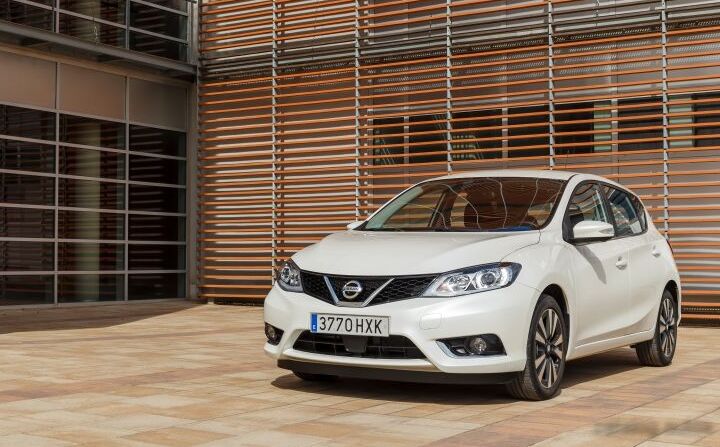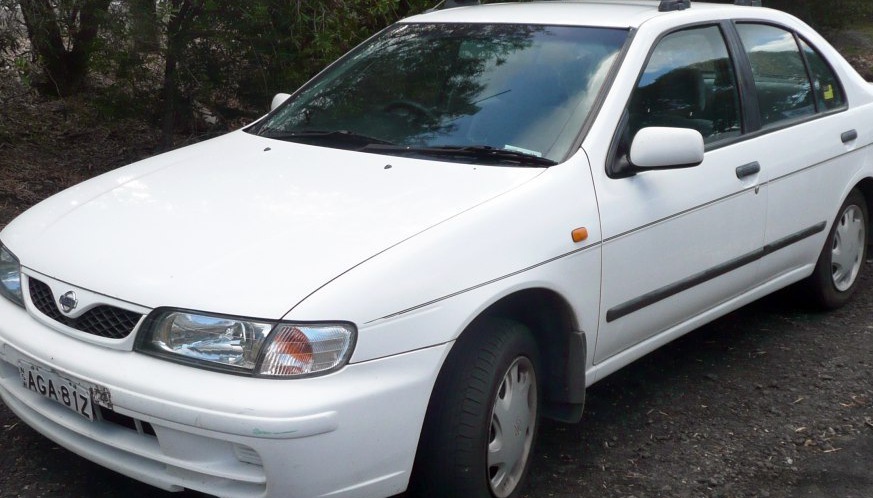
The Nissan Pulsar N15, produced between 1995 and 2000, represented a significant evolution for Nissan’s compact offering, particularly in European and Asian markets. While not officially sold in the United States during this generation, the N15 Pulsar was a popular choice for buyers seeking a reliable and practical family sedan. The 1.6i variant, boasting 175 horsepower, occupied a mid-range position within the N15 lineup, offering a balance between performance and affordability. It served as a step up from the base 1.4 and 1.6 models, while remaining more accessible than the higher-performance GTI or turbocharged options available in some regions.
Technical Specifications
| Brand | Nissan |
| Model | Pulsar |
| Generation | Pulsar (N15) |
| Type (Engine) | 1.6 i (175 Hp) |
| Start of production | 1995 |
| End of production | 2000 |
| Powertrain Architecture | Internal Combustion engine |
| Body type | Sedan |
| Seats | 5 |
| Doors | 4 |
| Fuel Type | Petrol (Gasoline) |
| Power | 175 Hp |
| Power per litre | 109.6 Hp/l |
| Engine displacement | 1597 cm3 |
| Engine displacement (cu. in.) | 97.45 cu. in. |
| Number of cylinders | 4 |
| Engine configuration | Inline |
| Fuel injection system | Multi-port manifold injection |
| Engine aspiration | Naturally aspirated engine |
| Valvetrain | DOHC |
| Drivetrain Architecture | The Internal combustion engine (ICE) drives the front wheels of the vehicle. |
| Drive wheel | Front wheel drive |
Powertrain & Engine Architecture
The heart of the Pulsar 1.6i is the GA16DNE engine, a 1.6-liter inline-four cylinder powerplant. This engine utilizes a multi-port fuel injection system, delivering fuel directly into the intake ports for optimized combustion. The GA16DNE features a double overhead camshaft (DOHC) valvetrain, contributing to improved breathing and higher engine speeds. This configuration allowed for a respectable 175 horsepower output, making it one of the more powerful naturally aspirated 1.6-liter engines of its time. The engine’s design prioritized reliability and fuel efficiency, typical of Nissan’s engineering philosophy during the 1990s. While a five-speed manual transmission was available, the 1.6i was often paired with a four-speed automatic transmission, catering to buyers prioritizing ease of use over outright performance. The automatic transmission, while smooth, did impact acceleration times compared to the manual variant.
Driving Characteristics
The Pulsar 1.6i with the automatic transmission offered a comfortable and predictable driving experience. Acceleration was adequate for everyday driving, with the 175 hp engine providing sufficient power for merging onto highways and overtaking slower traffic. However, the four-speed automatic transmission limited the engine’s ability to stay in its optimal power band, resulting in slightly slower acceleration compared to the five-speed manual version. The gear ratios were tuned for fuel economy and smooth operation, rather than aggressive performance. Steering was light and precise, making the Pulsar easy to maneuver in urban environments. The suspension, tuned for comfort, absorbed bumps and imperfections in the road well, providing a relatively smooth ride. Compared to the sportier GTI models, the 1.6i offered a more relaxed and refined driving experience.
Equipment & Trim Levels
The 1.6i trim level typically included features such as power windows, power steering, central locking, and an AM/FM radio. Air conditioning was often standard, though it could be an optional extra in some markets. Interior upholstery was typically cloth, with a simple and functional dashboard layout. Higher-spec versions of the 1.6i might include features like alloy wheels, a sunroof, and upgraded audio systems. The overall interior design was practical and durable, prioritizing functionality over luxury. The Pulsar N15 aimed to provide a well-equipped and comfortable interior without significantly increasing the vehicle’s price.
Chassis & Braking
The N15 Pulsar utilized a front-wheel-drive chassis with independent MacPherson strut suspension in the front and a torsion beam rear suspension. This setup provided a good balance between ride comfort and handling. Braking systems varied depending on the market and trim level. Lower-spec models often featured drum brakes on the rear wheels, while higher-spec versions, including many 1.6i models, were equipped with disc brakes all around. Front brakes were typically ventilated discs. Anti-lock Braking System (ABS) was available as an option, enhancing braking performance and safety. Stabilizer bars were fitted to both the front and rear axles, helping to reduce body roll during cornering.
Market Reception & Comparison
The Nissan Pulsar N15 1.6i was generally well-received by automotive critics as a practical and reliable family sedan. It was praised for its comfortable ride, spacious interior, and fuel efficiency. However, some critics noted that the automatic transmission could feel sluggish at times, and the interior lacked the sophistication of some competitors. Compared to other 1.6-liter sedans of the era, the Pulsar 1.6i offered a competitive level of performance and equipment. It was often compared to models like the Ford Escort, Opel Astra, and Volkswagen Golf. In terms of fuel economy, the 1.6i achieved respectable figures, typically ranging from 30 to 35 miles per gallon in mixed driving conditions. Reliability was a strong point for the N15 Pulsar, with the GA16DNE engine proving to be durable and long-lasting.
Legacy
The Nissan Pulsar N15, particularly the 1.6i variant, has maintained a reputation for reliability and affordability in the used car market. The GA16DNE engine is known for its longevity, and parts availability remains relatively good. While not a particularly exciting or sporty vehicle, the Pulsar 1.6i offered a practical and dependable transportation solution for many buyers. Today, well-maintained examples of the N15 Pulsar are sought after by enthusiasts looking for a classic Japanese sedan. The car represents a period of solid engineering and practical design from Nissan, and its enduring reliability continues to make it a viable option for budget-conscious buyers.