
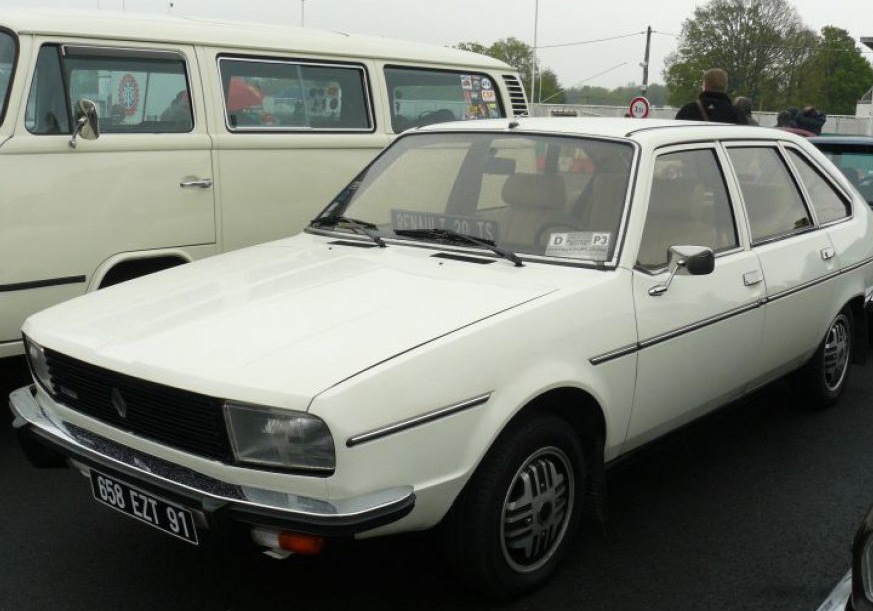
The Renault 20 (127) 2.2, produced between 1980 and 1983, represented a significant step forward for Renault in the mid-size family car segment. This variant, powered by the J6T-851 2.2-liter engine producing 116 horsepower, occupied a position slightly above the base models in the 20 lineup, offering a blend of performance and comfort. It was part of the first generation of the Renault 20, a car designed to compete with offerings from Peugeot and Citroën, and aimed at providing a more spacious and refined experience than its predecessors. The 127 chassis code designates this specific body style and engine combination within the broader Renault 20 range.
Technical Specifications
| Brand | Renault |
| Model | 20 |
| Generation | 20 (127) |
| Type (Engine) | 2.2 (1279) (116 Hp) |
| Start of production | 1980 |
| End of production | 1983 |
| Powertrain Architecture | Internal Combustion engine |
| Body type | Hatchback |
| Seats | 5 |
| Doors | 5 |
| Fuel Type | Petrol (Gasoline) |
| Acceleration 0 – 100 km/h | 11.6 sec |
| Acceleration 0 – 62 mph | 11.6 sec |
| Acceleration 0 – 60 mph | 11 sec |
| Maximum speed | 179 km/h (111.23 mph) |
| Power | 116 Hp |
| Engine Model/Code | J6T-851 |
| Engine aspiration | Naturally aspirated engine |
| Engine oil capacity | 5.3 l (5.6 US qt | 4.66 UK qt) |
| Coolant capacity | 7.7 l (8.14 US qt | 6.78 UK qt) |
| Fuel tank capacity | 67 l (17.7 US gal | 14.74 UK gal) |
Powertrain & Engine Architecture
The heart of the Renault 20 (127) 2.2 was the J6T-851 engine, a 2.2-liter (2165 cc) inline-four cylinder gasoline engine. This engine featured a cast iron block and an aluminum cylinder head, a common configuration for the era. It employed a single overhead camshaft (SOHC) valvetrain, operating two valves per cylinder. Fuel delivery was managed by a Bosch mechanical fuel injection system, a relatively sophisticated setup for the early 1980s, offering improved efficiency and performance compared to carbureted engines. The engine produced 116 horsepower at 5300 rpm and approximately 138 lb-ft of torque at 3000 rpm. The transmission paired with this engine was typically a four-speed automatic, although a five-speed manual was also available. The automatic transmission, while providing convenience, was not known for its particularly quick shifts or sporty feel.
Driving Characteristics
The Renault 20 2.2 with the automatic transmission offered a comfortable, if not particularly exhilarating, driving experience. Acceleration from 0 to 60 mph took around 11 seconds, and top speed was approximately 111 mph. The automatic transmission’s gear ratios were geared towards fuel economy and smooth cruising rather than rapid acceleration. Compared to the manual transmission versions, the automatic felt noticeably slower, especially during overtaking maneuvers. The engine itself was relatively smooth and refined for its time, but lacked the punch of some of its competitors. The suspension, while comfortable, could feel a bit soft in the corners, leading to some body roll. Overall, the driving experience was geared towards providing a relaxed and comfortable ride for everyday use.
Equipment & Trim Levels
The Renault 20 (127) 2.2 typically came equipped with a reasonable level of standard features for the early 1980s. These included cloth upholstery, a basic AM/FM radio, and power-assisted steering. Higher trim levels, often denoted by additional model codes, offered options such as central locking, electric windows, and a sunroof. Interior appointments were generally functional and durable, with a focus on practicality rather than luxury. The dashboard layout was straightforward and easy to use, with clearly marked gauges and controls. Optional extras included upgraded sound systems and metallic paint finishes.
Chassis & Braking
The Renault 20 (127) utilized a MacPherson strut front suspension and a torsion beam rear suspension. The front suspension provided a comfortable ride and decent handling, while the rear torsion beam was a cost-effective solution that offered adequate stability. Braking was initially accomplished with disc brakes on the front wheels and drum brakes on the rear. Later models sometimes featured disc brakes all around. Power steering was standard on the 2.2 model, making it easier to maneuver in tight spaces. The braking system, while adequate for normal driving conditions, lacked the stopping power of more modern systems.
Market Reception & Comparison
The Renault 20 2.2 was generally well-received by automotive critics as a practical and comfortable family car. However, the automatic transmission version was often criticized for its sluggish performance compared to the manual transmission models and some of its competitors, such as the Peugeot 505. Fuel economy was reasonable for the time, but not exceptional. The 2.2-liter engine offered a good balance of power and efficiency, but it wasn’t as fuel-efficient as the smaller-displacement engines available in the Renault 20 lineup. Reliability was generally good, although the Bosch fuel injection system could sometimes require maintenance. The Renault 20 2.2 positioned itself as a step up from the base models, appealing to buyers who wanted a bit more performance and refinement without the expense of the top-of-the-line trims.
Legacy
The Renault 20, and specifically the 2.2-liter variant, holds a nostalgic place in the hearts of many European car enthusiasts. While not a particularly rare or collectible car today, well-maintained examples are becoming increasingly sought after. The J6T-851 engine is known for its durability, and with proper maintenance, can provide many years of reliable service. The automatic transmission, however, is often considered the weak link in the powertrain. In the used car market, the Renault 20 2.2 represents an affordable and relatively easy-to-maintain classic car, offering a glimpse into the automotive landscape of the early 1980s. Parts availability can be a challenge, but many components are still available through specialist suppliers and online marketplaces.
