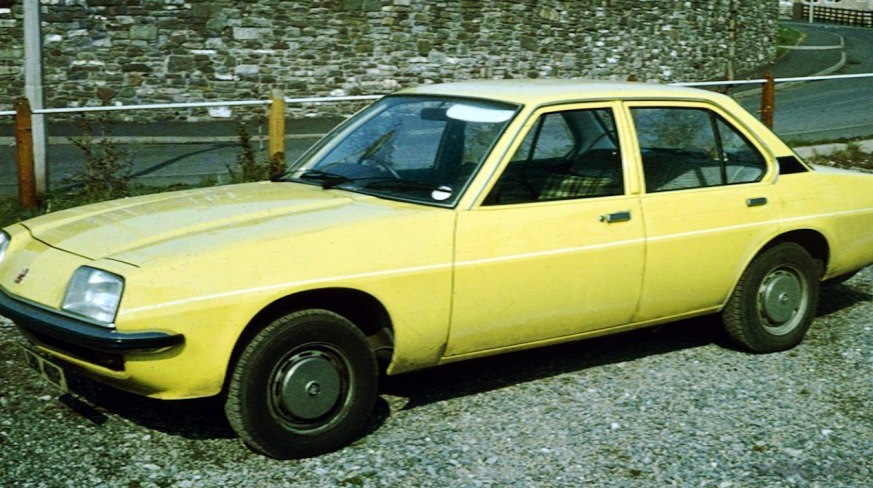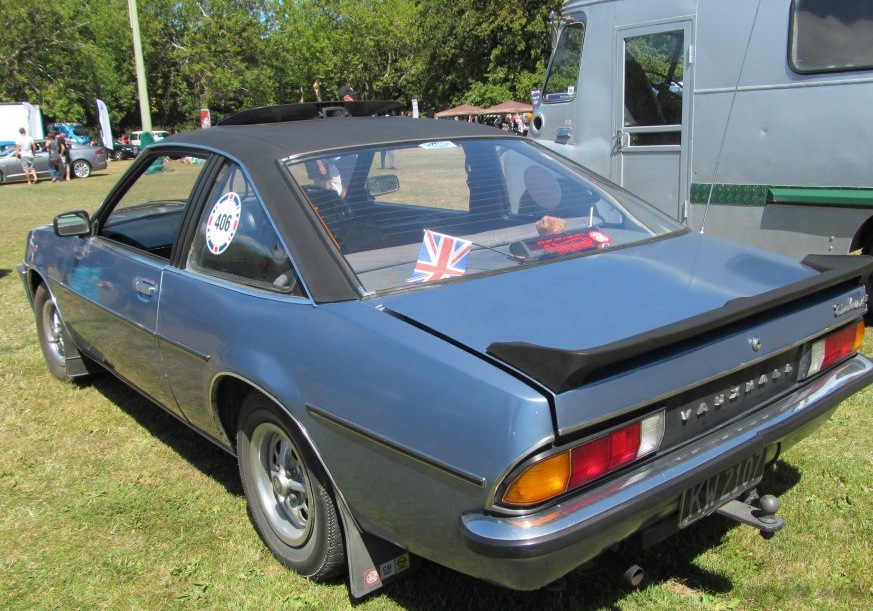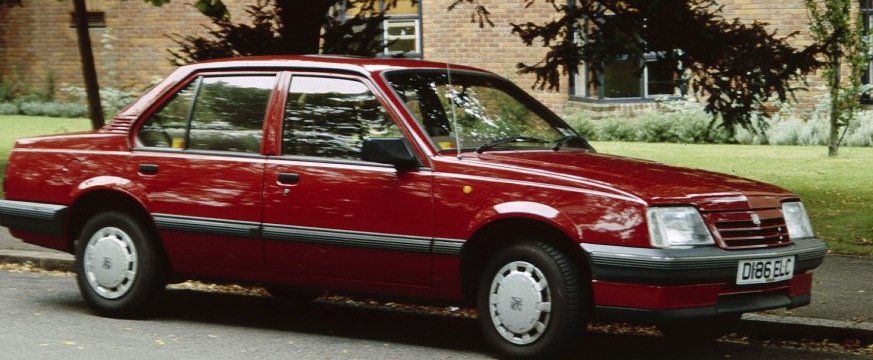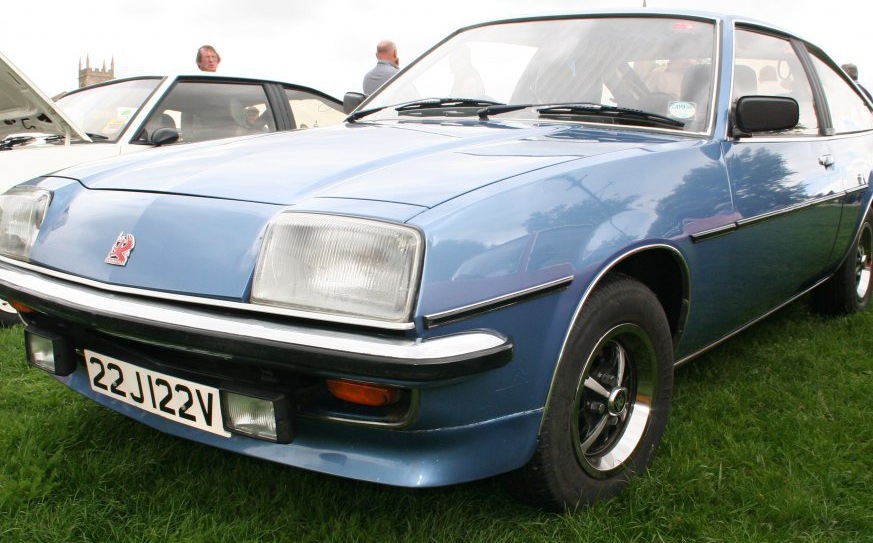
The Vauxhall Cavalier CC 1600, produced between 1975 and 1979, represented a key entry point into the second generation (CC) Cavalier lineup. Positioned as the base model, it offered affordable transportation within the compact family car segment in the United Kingdom and other European markets. The CC series marked a significant departure from the earlier PA/PB models, adopting a more modern, albeit boxy, aesthetic and a rear-wheel-drive layout. This 1600 variant, with its 75 horsepower engine, was aimed at buyers prioritizing economy and practicality over outright performance. It served as a popular choice for first-time car owners and those seeking a reliable, no-frills vehicle.
Technical Specifications
| Brand | Vauxhall |
| Model | Cavalier |
| Generation | Cavalier CC |
| Type (Engine) | 1600 (75 Hp) |
| Start of production | 1975 |
| End of production | 1979 |
| Powertrain Architecture | Internal Combustion engine |
| Body type | Hatchback |
| Seats | 4 |
| Doors | 3 |
| Fuel Type | Petrol (Gasoline) |
| Power | 75 Hp @ 5000 rpm |
| Power per litre | 47.3 Hp/l |
| Torque | 113 Nm @ 3800 rpm |
| Torque (lb.-ft.) | 83.34 lb.-ft. @ 3800 rpm |
| Engine layout | Rear, Longitudinal |
| Engine Model/Code | 16S |
| Engine displacement | 1584 cm3 |
| Engine displacement (cu. in.) | 96.66 cu. in. |
| Number of cylinders | 4 |
| Engine configuration | Inline |
| Cylinder Bore | 85 mm |
| Cylinder Bore (in.) | 3.35 in. |
| Piston Stroke | 69.8 mm |
| Piston Stroke (in.) | 2.75 in. |
| Compression ratio | 8.8:1 |
| Engine aspiration | Naturally aspirated engine |
| Engine oil capacity | 3.8 l |
| Engine oil capacity (US qt) | 4.02 US qt |
| Engine oil capacity (UK qt) | 3.34 UK qt |
| Coolant | 6.5 l |
| Coolant (US qt) | 6.87 US qt |
| Coolant (UK qt) | 5.72 UK qt |
| Trunk (boot) space – minimum | 384 l |
| Trunk (boot) space – minimum (cu. ft.) | 13.56 cu. ft. |
| Fuel tank capacity | 50 l |
| Fuel tank capacity (US gal) | 13.21 US gal |
| Fuel tank capacity (UK gal) | 11 UK gal |
| Length | 4445 mm |
| Length (in.) | 175 in. |
| Width | 1670 mm |
| Width (in.) | 65.75 in. |
| Height | 1330 mm |
| Height (in.) | 52.36 in. |
| Wheelbase | 2515 mm |
| Wheelbase (in.) | 99.02 in. |
| Minimum turning circle (turning diameter) | 9.9 m |
| Minimum turning circle (turning diameter) (ft.) | 32.48 ft. |
| Drivetrain Architecture | The Internal combustion engine (ICE) drives the rear wheels of the vehicle. |
| Drive wheel | Rear wheel drive |
| Number of gears and type of gearbox | 4 gears, manual transmission |
| Front brakes | Ventilated discs |
| Rear brakes | Drum |
| Steering type | Steering rack and pinion |
Powertrain & Engine Architecture
The heart of the Cavalier CC 1600 was the 1584cc (96.66 cu. in.) inline-four cylinder engine, designated as the 16S. This engine featured a relatively simple, pushrod-operated valvetrain and a single downdraft carburetor. While not particularly sophisticated, this configuration proved reliable and easy to maintain. The engine’s longitudinal mounting and rear-wheel-drive configuration were typical for European cars of the era, offering a balanced driving experience. The 4-speed manual transmission was the standard offering, providing direct control over the engine’s power. The engine’s 8.8:1 compression ratio was a compromise between performance and the fuel quality available at the time. The engine oil capacity was 3.8 liters (4.02 US quarts), and the cooling system held 6.5 liters (6.87 US quarts) of coolant.
Driving Characteristics
The 75 horsepower output of the 1600 engine translated to modest, but adequate, performance. Acceleration was not brisk, and the car was best suited for relaxed cruising and city driving. The rear-wheel-drive layout provided a predictable handling balance, although understeer was common when pushed hard. The 4-speed manual gearbox offered a reasonable spread of ratios, but the engine lacked the torque to make frequent downshifts unnecessary. Compared to the later, more powerful Cavalier variants – such as those equipped with larger engines or fuel injection – the 1600 felt noticeably underpowered. However, its simplicity and light weight contributed to better fuel economy than its more potent siblings.
Equipment & Trim Levels
The Cavalier CC 1600 was typically equipped with basic, functional trim. Standard features included cloth upholstery, a simple dashboard layout with basic instrumentation, and manually operated windows and door locks. The interior was designed for durability rather than luxury. Optional extras were limited, but could include a radio, upgraded seat fabrics, and a sunroof. The exterior styling was characterized by clean lines and a practical hatchback design. The 1600 model generally lacked the chrome trim and additional features found on higher-spec Cavalier variants.
Chassis & Braking
The Cavalier CC utilized a conventional chassis design with independent front suspension and a live axle rear suspension. The front suspension featured coil springs and telescopic shock absorbers, while the rear suspension relied on leaf springs. Braking was provided by ventilated disc brakes at the front and drum brakes at the rear. The steering system was a rack and pinion setup, offering reasonably precise steering feel. Stabilizer bars were not typically fitted to the base 1600 model, contributing to a slightly softer, more compliant ride.
Market Reception & Comparison
The Cavalier CC 1600 was generally well-received as an affordable and practical family car. Critics praised its reliability and ease of maintenance, but noted its lack of performance compared to rivals. Compared to other trims in the Cavalier lineup, such as the 1.9-liter or 2.0-liter models, the 1600 offered significantly lower running costs but at the expense of driving enjoyment. Its fuel economy was a key selling point, particularly during the fuel crises of the 1970s. The 1600 competed with other compact hatchbacks like the Ford Escort and the Morris Marina, offering a similar level of practicality and affordability.
Legacy
The Vauxhall Cavalier CC 1600, while not a performance icon, holds a significant place in British automotive history. Its robust powertrain and simple design contributed to its longevity, and many examples remain on the road today. The 16S engine, while basic, proved to be remarkably durable and relatively easy to repair. In the used car market, the 1600 variant is often sought after by enthusiasts looking for a classic, affordable, and easily maintained vehicle. Its rear-wheel-drive layout and simple mechanics make it a popular choice for restoration projects and classic car rallies. The Cavalier CC 1600 represents a bygone era of automotive engineering, characterized by practicality, reliability, and affordability.