
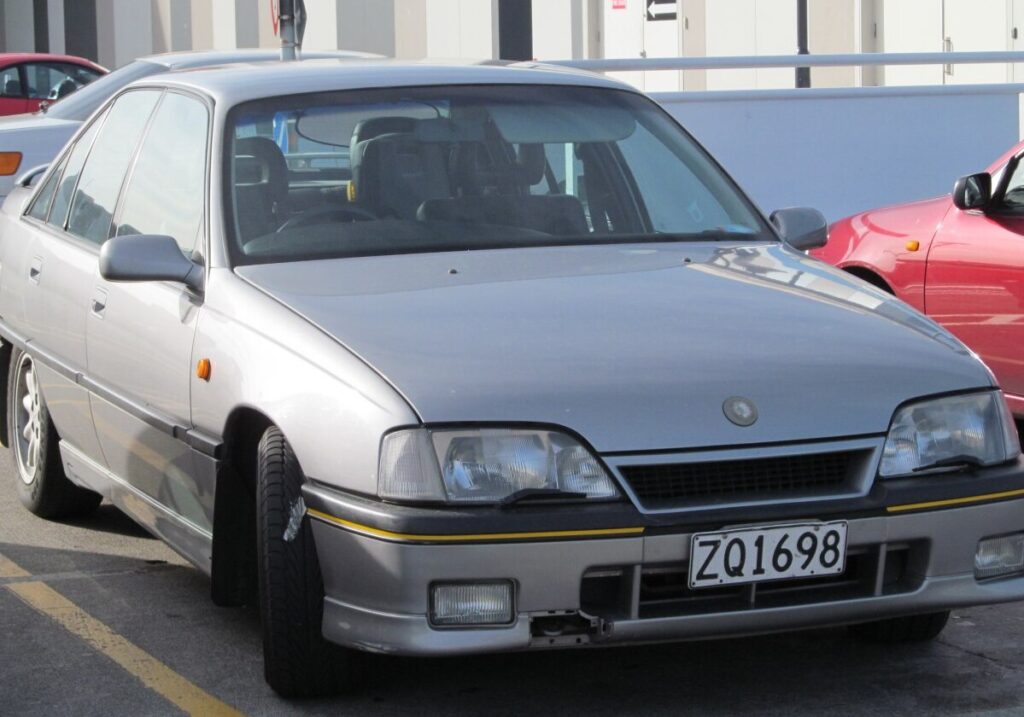
The Opel Omega A 2.3 TD Intercooled, produced between 1988 and 1993, represented a significant offering in Opel’s lineup as a large, comfortable, and relatively economical sedan. Positioned as a step up from the smaller Ascona and Vectra models, the Omega A aimed to compete with vehicles like the Ford Granada and BMW 5 Series. This particular 2.3-liter turbocharged diesel variant, producing 100 horsepower, was a popular choice in European markets, particularly for drivers prioritizing fuel efficiency and long-distance comfort over outright performance. It sat within the Omega A range as a mid-level offering, bridging the gap between the base naturally aspirated diesel models and the more powerful gasoline engines.
Technical Specifications
| Brand | Opel |
| Model | Omega |
| Generation | Omega A |
| Type (Engine) | 2.3 TD Interc. (100 Hp) |
| Start of production | 1988 year |
| End of production | 1993 year |
| Powertrain Architecture | Internal Combustion engine |
| Body type | Sedan |
| Seats | 5 |
| Doors | 4 |
| Fuel consumption (urban) | 8.7 l/100 km (27 US mpg, 32.5 UK mpg, 11.5 km/l) |
| Fuel consumption (extra urban) | 5.5 l/100 km (42.8 US mpg, 51.4 UK mpg, 18.2 km/l) |
| Fuel consumption (combined) | 7.7 l/100 km (30.5 US mpg, 36.7 UK mpg, 13 km/l) |
| Fuel Type | Diesel |
| Acceleration 0 – 100 km/h | 14 sec |
| Acceleration 0 – 62 mph | 14 sec |
| Acceleration 0 – 60 mph | 13.3 sec |
| Maximum speed | 184 km/h (114.33 mph) |
| Weight-to-power ratio | 13.8 kg/Hp, 72.7 Hp/tonne |
| Weight-to-torque ratio | 6.4 kg/Nm, 156.4 Nm/tonne |
| Power | 100 Hp @ 4200 rpm |
| Power per litre | 44.2 Hp/l |
| Torque | 215 Nm @ 2200 rpm (158.58 lb.-ft. @ 2200 rpm) |
| Engine layout | Front, Longitudinal |
| Engine Model/Code | 23DTR |
| Engine displacement | 2260 cm3 (137.91 cu. in.) |
| Number of cylinders | 4 |
| Engine configuration | Inline |
| Cylinder Bore | 92 mm (3.62 in.) |
| Piston Stroke | 85 mm (3.35 in.) |
| Compression ratio | 23:1 |
| Number of valves per cylinder | 2 |
| Fuel injection system | Precombustion chamber injection |
| Engine aspiration | Turbocharger, Intercooler |
| Valvetrain | SOHC |
| Engine oil capacity | 5.5 l (5.81 US qt | 4.84 UK qt) |
| Coolant | 10.9 l (11.52 US qt | 9.59 UK qt) |
| Kerb Weight | 1375 kg (3031.36 lbs.) |
| Max. weight | 1895 kg (4177.76 lbs.) |
| Max load | 520 kg (1146.4 lbs.) |
| Trunk (boot) space – minimum | 520 l (18.36 cu. ft.) |
| Trunk (boot) space – maximum | 870 l (30.72 cu. ft.) |
| Fuel tank capacity | 75 l (19.81 US gal | 16.5 UK gal) |
| Length | 4740 mm (186.61 in.) |
| Width | 1760 mm (69.29 in.) |
| Height | 1445 mm (56.89 in.) |
| Wheelbase | 2730 mm (107.48 in.) |
| Front track | 1445 mm (56.89 in.) |
| Rear (Back) track | 1460 mm (57.48 in.) |
| Minimum turning circle | 10.8 m (35.43 ft.) |
| Drivetrain Architecture | Rear wheel drive |
| Drive wheel | Rear wheel drive |
| Number of gears | 5 gears, manual transmission |
| Front suspension | Spring Strut |
| Rear suspension | Wishbone |
| Front brakes | Ventilated discs |
| Rear brakes | Disc |
| Assisting systems | ABS (Anti-lock braking system), Hydraulic Steering |
| Tires size | 185/70 R15 |
| Wheel rims size | 15 |
Powertrain & Engine Architecture
The heart of the Omega A 2.3 TD Intercooled is the 23DTR engine, a 2.3-liter inline-four cylinder diesel. This engine utilized a precombustion chamber injection system, a common design for diesel engines of the era, which improved combustion efficiency and reduced engine noise compared to direct injection systems. The addition of a turbocharger and intercooler significantly boosted power output to 100 horsepower, a respectable figure for a diesel engine of this displacement in the late 1980s and early 1990s. The engine featured a single overhead camshaft (SOHC) valvetrain, operating two valves per cylinder. The 23DTR engine was known for its durability, though it wasn’t without its quirks. Regular maintenance, including oil changes and filter replacements, was crucial for longevity. The five-speed manual transmission was the standard offering, providing a good balance between fuel economy and drivability.
Driving Characteristics
The 2.3 TD Intercooled Omega A offered a distinctly different driving experience compared to its gasoline-powered siblings. While lacking the outright acceleration of the larger displacement petrol engines, the diesel provided ample torque from low engine speeds. This made it a comfortable cruiser on highways and ideal for towing. The five-speed manual transmission allowed drivers to keep the engine in its optimal power band. Acceleration to 60 mph took around 13.3 seconds, and top speed was approximately 114 mph. The rear-wheel-drive configuration provided balanced handling, although it wasn’t particularly sporty. The suspension, tuned for comfort, absorbed bumps and imperfections in the road well, making it a pleasant long-distance vehicle.
Equipment & Trim Levels
The 2.3 TD Intercooled Omega A typically came with a reasonable level of standard equipment. This included central locking, power windows, and a basic stereo system. Interior upholstery was typically cloth, with options for upgraded velour or leather available. The dashboard layout was functional and straightforward, with clearly marked gauges and controls. Optional extras included air conditioning, a sunroof, and upgraded sound systems. The trim level generally fell into a mid-range category, offering a good balance of features and affordability.
Chassis & Braking
The Omega A featured a robust chassis with independent front suspension using spring struts and a multi-link rear suspension. This setup provided a comfortable ride and decent handling characteristics. Braking duties were handled by ventilated discs at the front and solid discs at the rear. Anti-lock braking system (ABS) was available as an option, enhancing safety. The steering was hydraulic power-assisted, making it easy to maneuver at low speeds. The 185/70 R15 tires provided adequate grip in most conditions.
Market Reception & Comparison
The Opel Omega A 2.3 TD Intercooled was well-received in European markets as a practical and economical family sedan. Critics praised its comfortable ride, spacious interior, and fuel efficiency. However, some noted its lack of outright performance compared to gasoline-powered rivals. Compared to the 2.0-liter and 2.6-liter gasoline engines in the Omega A range, the 2.3 TD offered significantly better fuel economy but slower acceleration. The diesel also required more diligent maintenance to ensure long-term reliability. Against competitors like the Ford Granada and BMW 5 Series, the Omega A offered a compelling value proposition, particularly for buyers prioritizing practicality and running costs.
Legacy
The Opel Omega A 2.3 TD Intercooled has developed a reputation as a durable and reliable vehicle, particularly when well-maintained. While not a collector’s item, it remains a popular choice among enthusiasts seeking a classic European sedan. The 23DTR engine, while capable of high mileage, requires regular servicing to prevent issues with the turbocharger and fuel injection system. Today, finding a well-preserved example can be challenging, but the Omega A 2.3 TD Intercooled continues to offer a unique blend of comfort, economy, and classic styling.
