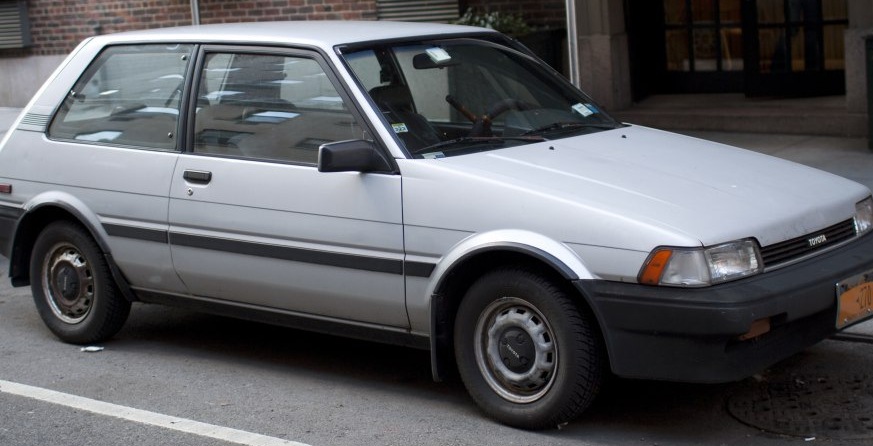
The Toyota Corolla FX Compact V (E80) 1.8 D, produced between 1985 and 1988, represented a distinct offering within the broader E80 Corolla lineup. This variant, characterized by its modest 58 horsepower diesel engine, was primarily aimed at buyers seeking fuel efficiency and practicality in a compact hatchback package. Positioned as an entry-level option, it catered to a segment of the market prioritizing economy over outright performance. The FX Compact V, known for its nimble handling and relatively lightweight construction, found a niche particularly in regions where diesel fuel was readily available and cost-effective. It was a key part of Toyota’s strategy to offer a diverse range of Corolla models to suit varying consumer needs.
Technical Specifications
| Brand | Toyota |
| Model | Corolla |
| Generation | Corolla FX Compact V (E80) |
| Type (Engine) | 1.8 D (58 Hp) |
| Start of production | 1985 |
| End of production | 1988 |
| Powertrain Architecture | Internal Combustion engine |
| Body type | Hatchback |
| Seats | 5 |
| Doors | 3 |
| Fuel Type | Diesel |
| Power | 58 Hp |
| Engine Model/Code | 1C-LC |
| Engine aspiration | Naturally aspirated engine |
| Engine oil capacity | 4.3 l (4.54 US qt | 3.78 UK qt) |
| Coolant capacity | 7 l (7.4 US qt | 6.16 UK qt) |
Powertrain & Engine Architecture
The heart of the Corolla FX Compact V 1.8 D was the 1C-LC diesel engine. This 1.8-liter (1779cc) inline-four cylinder engine was a naturally aspirated unit, designed for durability and fuel economy rather than high output. It featured indirect injection, a common characteristic of diesel engines of that era, utilizing a pre-combustion chamber design. The 1C-LC engine employed a robust cast iron block and head, contributing to its longevity. While specific details on the valvetrain are limited in readily available documentation, it utilized a single overhead camshaft (SOHC) configuration. The engine’s modest 58 horsepower and approximately 88 lb-ft of torque were delivered at relatively low engine speeds, prioritizing usability over spirited acceleration. Transmission options were limited, with a 4-speed automatic transmission being a common pairing, though a 5-speed manual was also available. The automatic transmission was selected to enhance the ease of driving, particularly in urban environments, aligning with the target audience’s preference for convenience.
Driving Characteristics
The driving experience in the Corolla FX Compact V 1.8 D with the automatic transmission was characterized by its relaxed and unhurried nature. Acceleration was modest, with 0-60 mph times estimated to be well over 15 seconds. The automatic transmission, while providing convenience, did contribute to some power loss compared to the manual version. Gear ratios were optimized for fuel efficiency, resulting in a relatively low cruising RPM at highway speeds. The FX Compact V’s lightweight chassis and relatively short wheelbase contributed to nimble handling, making it enjoyable to drive on winding roads, despite the engine’s limited power. The steering was light and responsive, further enhancing the car’s maneuverability. Compared to higher-spec Corolla models equipped with larger gasoline engines, the 1.8 D automatic felt significantly slower, but it offered a trade-off in the form of superior fuel economy.
Equipment & Trim Levels
The Corolla FX Compact V 1.8 D, as an entry-level trim, typically came with a fairly basic level of equipment. Standard features generally included cloth upholstery, a simple dashboard layout with analog gauges, and manual windows and door locks. Air conditioning was often an optional extra, as were features like a radio/cassette player. The interior was designed with practicality in mind, offering ample space for passengers and cargo given its compact dimensions. The hatchback configuration provided versatile loading options, making it suitable for carrying groceries, luggage, or other items. Trim levels beyond the base model could add features like upgraded upholstery, a more comprehensive instrument cluster, and exterior enhancements such as alloy wheels, but these were less common on the 1.8 D variant.
Chassis & Braking
The Corolla FX Compact V utilized a relatively simple suspension setup. The front suspension consisted of MacPherson struts, while the rear suspension employed a torsion beam axle. This configuration provided a good balance between ride comfort and handling. Braking systems varied depending on the specific market and year, but typically consisted of front disc brakes and rear drum brakes. The braking performance was adequate for the car’s weight and power, but it wasn’t particularly sporty. Stabilizer bars were often included, particularly on higher trim levels, to reduce body roll during cornering. The overall chassis design prioritized affordability and reliability over outright performance, making it a durable and dependable platform.
Market Reception & Comparison
The Corolla FX Compact V 1.8 D received generally positive reviews for its fuel efficiency and practicality. Critics acknowledged its modest performance but praised its durability and low running costs. Compared to other trims in the Corolla lineup, such as the 1.6-liter gasoline models, the 1.8 D offered significantly better fuel economy, but at the expense of acceleration and overall refinement. Against competitors like the Volkswagen Golf Diesel, the Corolla FX Compact V offered a comparable level of fuel efficiency and practicality, but often at a slightly lower price point. The diesel engine’s longevity and relatively simple mechanical design contributed to its appeal in markets where reliability was a key concern.
Legacy
The 1C-LC diesel engine, found in the Corolla FX Compact V 1.8 D, gained a reputation for its exceptional durability and longevity. Many examples of this powertrain continue to operate reliably today, even with high mileage. In the used car market, these Corollas are often sought after by buyers looking for a simple, affordable, and fuel-efficient vehicle. While not a performance icon, the 1.8 D variant played an important role in establishing the Corolla’s reputation for reliability and value. Its enduring presence on roads around the world is a testament to Toyota’s engineering prowess and the inherent robustness of the 1C-LC diesel engine. Maintenance is generally straightforward, with parts availability remaining reasonable, contributing to its continued appeal among enthusiasts and budget-conscious drivers.