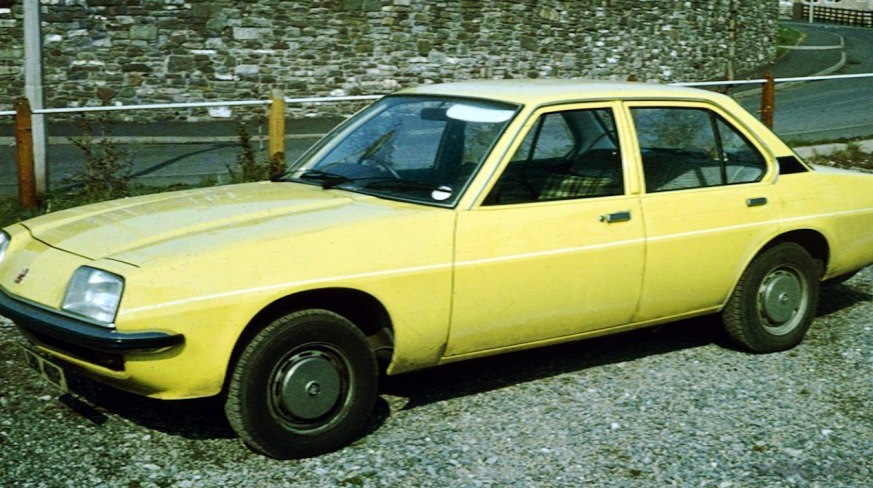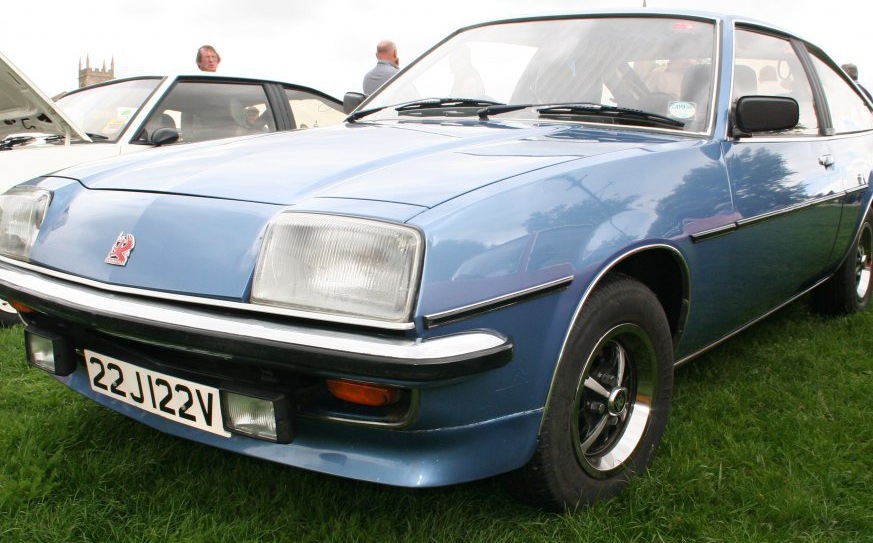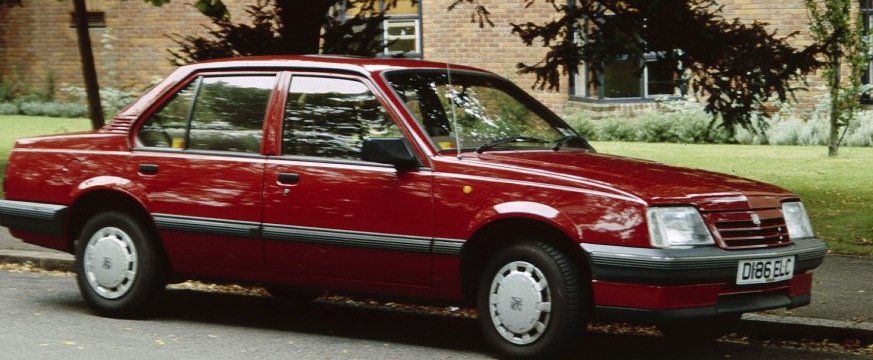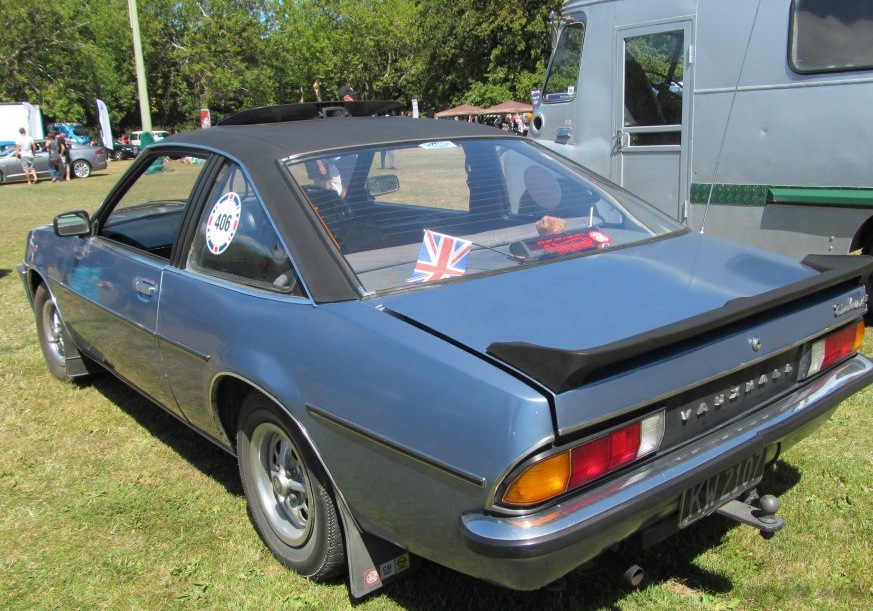
The Vauxhall Cavalier Coupe 2.0 S, produced between 1977 and 1979, represented a sporting iteration of the second-generation (BC) Cavalier. Positioned as a more stylish and performance-oriented alternative to the standard saloon, the Coupe aimed to capture a younger, more enthusiastic buyer. This model occupied a mid-range position within the Cavalier lineup, offering a step up in performance from the base 1.3L and 1.6L models, but falling short of the more luxurious or high-performance variants that would appear in later iterations of the Cavalier. The 2.0 S was a key part of Vauxhall’s attempt to modernize its image and compete with increasingly popular European coupes.
Technical Specifications
| Brand | Vauxhall |
| Model | Cavalier |
| Generation | Cavalier Coupe |
| Type (Engine) | 2.0 S (100 Hp) |
| Start of production | 1977 |
| End of production | 1979 |
| Powertrain Architecture | Internal Combustion engine |
| Body type | Coupe |
| Seats | 5 |
| Doors | 2 |
| Fuel consumption (combined) | 8.6 l/100 km |
| Fuel consumption (US mpg) | 27.4 US mpg |
| Fuel consumption (UK mpg) | 32.8 UK mpg |
| Fuel consumption (km/l) | 11.6 km/l |
| Fuel Type | Petrol (Gasoline) |
| Acceleration 0 – 100 km/h | 11 sec |
| Acceleration 0 – 62 mph | 11 sec |
| Acceleration 0 – 60 mph | 10.5 sec |
| Maximum speed | 180 km/h (111.85 mph) |
| Weight-to-power ratio | 10.1 kg/Hp |
| Weight-to-torque ratio | 6.6 kg/Nm |
| Power | 100 Hp @ 5400 rpm |
| Power per litre | 50.5 Hp/l |
| Torque | 153 Nm @ 3800 rpm (112.85 lb.-ft. @ 3800 rpm) |
| Engine layout | Front, Longitudinal |
| Engine Model/Code | 20S |
| Engine displacement | 1979 cm3 (120.77 cu. in.) |
| Number of cylinders | 4 |
| Engine configuration | Inline |
| Cylinder Bore | 95 mm (3.74 in.) |
| Piston Stroke | 69.8 mm (2.75 in.) |
| Compression ratio | 9:1 |
| Number of valves per cylinder | 2 |
| Fuel injection system | Carburettor |
| Engine aspiration | Naturally aspirated |
| Valvetrain | CIH |
| Engine oil capacity | 3.8 l (4.02 US qt | 3.34 UK qt) |
| Coolant capacity | 6.2 l (6.55 US qt | 5.46 UK qt) |
| Kerb Weight | 1010 kg (2226.67 lbs.) |
| Max. weight | 1410 kg (3108.52 lbs.) |
| Max load | 400 kg (881.85 lbs.) |
| Trunk (boot) space – minimum | 308 l (10.88 cu. ft.) |
| Fuel tank capacity | 50 l (13.21 US gal | 11 UK gal) |
| Length | 4445 mm (175 in.) |
| Width | 1670 mm (65.75 in.) |
| Height | 1277 mm (50.28 in.) |
| Wheelbase | 2518 mm (99.13 in.) |
| Front track | 1380 mm (54.33 in.) |
| Rear track | 1375 mm (54.13 in.) |
| Ride height (ground clearance) | 106 mm (4.17 in.) |
| Minimum turning circle | 9.3 m (30.51 ft.) |
| Drivetrain Architecture | Rear wheel drive |
| Number of gears | 4 |
| Gearbox type | Manual transmission |
| Front suspension | Coil spring |
| Rear suspension | Coil spring |
| Front brakes | Disc |
| Rear brakes | Drum |
| Steering type | Steering rack and pinion |
| Tires size | 185/70 R13 |
| Wheel rims size | 5.5J x 13 |
Powertrain & Engine Architecture
The heart of the Cavalier Coupe 2.0 S was the 1979cc inline-four cylinder engine, designated the 20S. This engine was part of Vauxhall’s ‘O’ series family, known for its robust construction and relatively simple design. It featured a single overhead camshaft (SOHC) valvetrain, operating two valves per cylinder. Fuel delivery was handled by a single Zenith 36mm downdraft carburetor, a common setup for the era. The engine produced 100 horsepower at 5400 rpm and 153 Nm (113 lb-ft) of torque at 3800 rpm. The engine was mounted longitudinally in the front of the car, driving the rear wheels. The transmission was a four-speed manual gearbox, providing a direct and engaging driving experience. The engine’s CIH (Cylinder Head Integrated) design, a hallmark of Opel/Vauxhall engines of the time, contributed to its durability and ease of maintenance.
Driving Characteristics
The 2.0 S offered a noticeable performance improvement over the lower-spec Cavalier Coupes. While not a sports car by modern standards, its 11-second 0-60 mph acceleration was respectable for the late 1970s. The rear-wheel-drive layout provided a balanced feel, although the relatively narrow tires (185/70 R13) limited grip. The four-speed manual transmission offered precise shifts, and the engine’s torque delivery made it reasonably flexible in everyday driving. Compared to a potential future 1.6L automatic version, the 2.0 S would have felt significantly more responsive and engaging, offering a more direct connection between the driver and the road. The manual gearbox allowed for better control and utilization of the engine’s power, especially when overtaking or navigating winding roads.
Equipment & Trim Levels
The 2.0 S trim level included features such as a sports steering wheel, upgraded cloth upholstery, and a more comprehensive instrument panel compared to the base models. While not lavishly equipped by today’s standards, it offered a reasonable level of comfort and convenience for the time. Optional extras included a sunroof, upgraded audio system, and metallic paint finishes. The interior was typically finished in darker colors, reflecting the car’s sporting aspirations. The dashboard layout was functional and straightforward, with clearly marked gauges for speed, fuel level, coolant temperature, and battery voltage.
Chassis & Braking
The Cavalier Coupe 2.0 S utilized a conventional chassis design, with coil springs and telescopic shock absorbers at all four corners. The front suspension featured independent coil springs, while the rear suspension employed a live axle with coil springs. Braking was provided by disc brakes at the front and drum brakes at the rear. The steering was a rack-and-pinion system, offering precise and responsive handling. The car’s relatively light weight (around 1010 kg or 2227 lbs) contributed to its nimble handling characteristics. Stabilizer bars were fitted to both the front and rear axles to reduce body roll during cornering.
Market Reception & Comparison
The Cavalier Coupe 2.0 S was generally well-received by automotive critics, who praised its stylish design, improved performance, and engaging driving experience. It was seen as a viable alternative to other European coupes, such as the Ford Capri and the Opel Manta. However, some critics noted that the carburetor-equipped engine could be somewhat thirsty, and the interior was not as refined as some of its competitors. Compared to the lower-spec Cavalier models, the 2.0 S offered a significant performance upgrade, but at a higher price point. Its fuel economy was comparable to other 2.0-liter coupes of the era, but its reliability was generally considered to be good.
Legacy
The Vauxhall Cavalier Coupe 2.0 S remains a popular classic car among enthusiasts. The 20S engine, while not particularly powerful by modern standards, is known for its durability and relative simplicity, making it relatively easy to maintain. Parts availability is generally good, although some specific trim items can be difficult to find. Today, well-maintained examples of the 2.0 S are sought after by collectors and classic car enthusiasts, representing a nostalgic reminder of a bygone era of British motoring. The car’s rear-wheel-drive layout and manual transmission contribute to its appeal among driving enthusiasts, and its stylish coupe bodywork continues to turn heads.