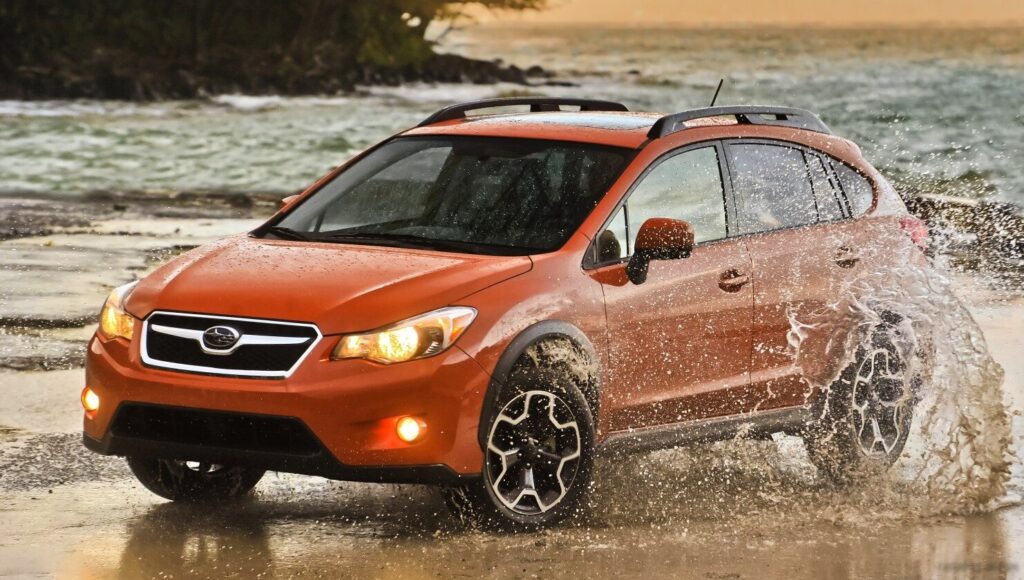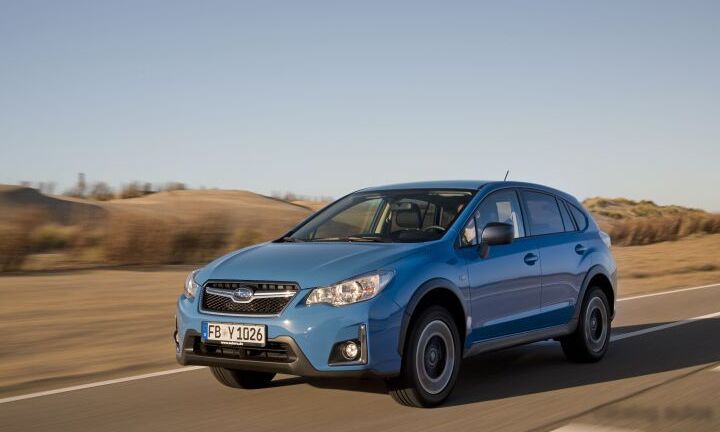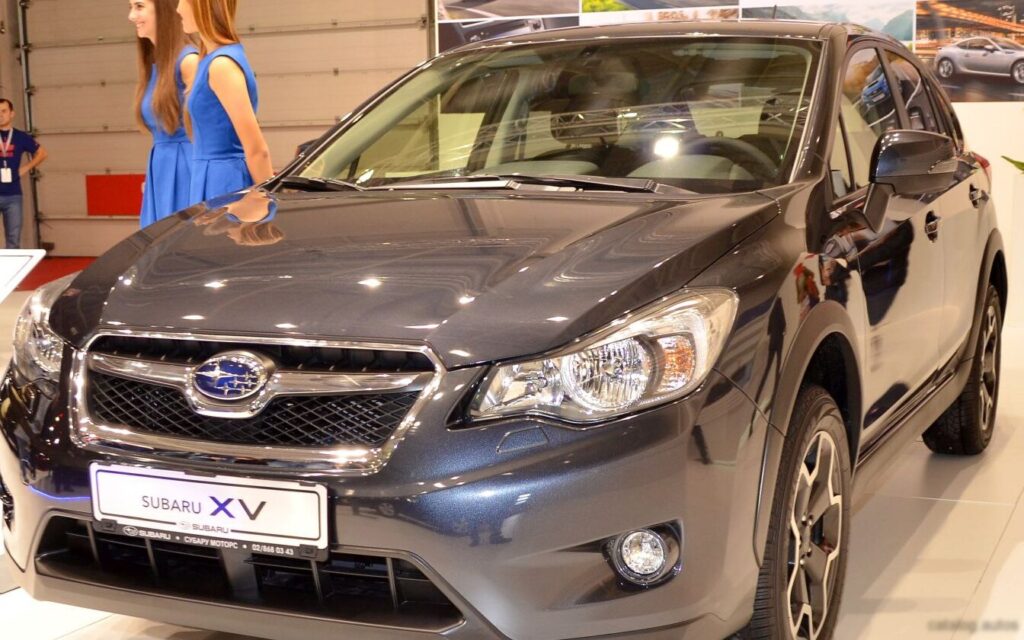
The Subaru XV, known as the Subaru Crosstrek in the North American market, represents Subaru’s entry into the burgeoning compact crossover SUV segment. Introduced in 2011 for the 2012 model year, the first generation XV (designated as the XV I) aimed to blend the practicality of a hatchback with the increased ride height and all-weather capability traditionally associated with Subaru vehicles. The 1.6i variant, producing 114 horsepower, served as the base model in many markets, offering an accessible price point for buyers seeking a versatile and fuel-efficient vehicle. Production of the XV I continued through 2016, paving the way for a significantly updated second generation.
Technical Specifications
| Brand | Subaru |
| Model | XV |
| Generation | XV I |
| Type (Engine) | 1.6i (114 Hp) |
| Start of production | 2011 |
| End of production | 2016 |
| Powertrain Architecture | Internal Combustion engine |
| Body type | SUV |
| Seats | 5 |
| Doors | 5 |
| Fuel consumption (urban) | 8 l/100 km (29.4 US mpg) |
| Fuel consumption (extra urban) | 5.8 l/100 km (40.6 US mpg) |
| Fuel consumption (combined) | 6.5 l/100 km (36.2 US mpg) |
| Fuel Type | Petrol (Gasoline) |
| Acceleration 0 – 100 km/h | 13.1 sec |
| Acceleration 0 – 62 mph | 13.1 sec |
| Acceleration 0 – 60 mph | 12.4 sec |
| Maximum speed | 179 km/h (111.23 mph) |
| Weight-to-power ratio | 12 kg/Hp |
| Weight-to-torque ratio | 9.1 kg/Nm |
| Power | 114 Hp @ 5600 rpm |
| Torque | 150 Nm @ 4000 rpm (110.63 lb.-ft. @ 4000 rpm) |
| Engine layout | Front, Longitudinal |
| Engine Model/Code | FB16 |
| Engine displacement | 1600 cm3 (97.64 cu. in.) |
| Number of cylinders | 4 |
| Engine configuration | Boxer |
| Cylinder Bore | 78.8 mm (3.1 in.) |
| Piston Stroke | 82 mm (3.23 in.) |
| Compression ratio | 10.5:1 |
| Number of valves per cylinder | 4 |
| Fuel injection system | Multi-port manifold injection |
| Engine aspiration | Naturally aspirated engine |
| Valvetrain | DOHC |
| Engine oil capacity | 4.8 l (5.07 US qt | 4.22 UK qt) |
| Coolant | 8.1 l (8.56 US qt | 7.13 UK qt) |
| Kerb Weight | 1370 kg (3020.33 lbs.) |
| Trunk (boot) space – minimum | 1270 l (44.85 cu. ft.) |
| Fuel tank capacity | 60 l (15.85 US gal | 13.2 UK gal) |
| Length | 4450 mm (175.2 in.) |
| Width | 1780 mm (70.08 in.) |
| Height | 1570 mm (61.81 in.) |
| Wheelbase | 2635 mm (103.74 in.) |
| Front track | 1525 mm (60.04 in.) |
| Rear (Back) track | 1525 mm (60.04 in.) |
| Minimum turning circle | 10.6 m (34.78 ft.) |
| Drive wheel | All wheel drive (4×4) |
| Number of gears and type of gearbox | 5 gears, manual transmission |
| Front suspension | Independent type McPherson |
| Rear suspension | Double wishbone |
| Front brakes | Ventilated discs |
| Rear brakes | Disc |
| Assisting systems | ABS (Anti-lock braking system) |
| Steering type | Steering rack and pinion |
| Tires size | 225/55 R17 |
| Wheel rims size | 7J x 17 |
Powertrain & Engine Architecture
The heart of the XV 1.6i is the FB16 1.6-liter horizontally-opposed (Boxer) four-cylinder engine. This engine, a hallmark of Subaru engineering, was designed to minimize vibration and lower the center of gravity for improved handling. The FB16 utilizes multi-point fuel injection and a double overhead camshaft (DOHC) valvetrain with four valves per cylinder. The engine’s 10.5:1 compression ratio contributes to its relatively efficient operation. Paired with this engine was a five-speed manual transmission as standard, providing direct control over the engine’s power. While a continuously variable transmission (CVT) was offered on higher trim levels, the 1.6i primarily catered to buyers who preferred the simplicity and engagement of a manual gearbox. The engine’s longitudinal mounting allowed for a symmetrical all-wheel-drive system, a key feature of Subaru’s brand identity.
Driving Characteristics
The 114 horsepower and 110.63 lb-ft of torque produced by the FB16 engine in the 1.6i trim resulted in modest, but adequate, performance. Acceleration from 0-60 mph took approximately 12.4 seconds, making it slower than higher-powered XV variants like those equipped with the 2.0-liter engine. The five-speed manual transmission offered a reasonable spread of gears, but the engine required frequent downshifting to maintain momentum, particularly when climbing hills or overtaking. The all-wheel-drive system provided excellent traction in various conditions, making the XV 1.6i a capable vehicle for inclement weather. Compared to the more powerful trims, the 1.6i prioritized fuel economy and a smoother, less aggressive driving experience.
Equipment & Trim Levels
The 1.6i trim typically represented the entry point into the XV lineup. Standard features generally included air conditioning, power windows and locks, a basic audio system with auxiliary input, and steel wheels with wheel covers. Safety features such as ABS, electronic brakeforce distribution, and multiple airbags were standard. Optional extras often included alloy wheels, a sunroof, and upgraded audio systems. Interior upholstery was typically cloth, and the dashboard featured a functional, if somewhat basic, design. The focus was on providing essential features at an affordable price.
Chassis & Braking
The XV I utilized a McPherson strut front suspension and a double wishbone rear suspension, providing a comfortable ride and predictable handling. The suspension was tuned for a balance between comfort and control, prioritizing ride quality over sporty handling. Braking duties were handled by ventilated discs at the front and solid discs at the rear. The ABS system helped to maintain steering control during hard braking. The XV’s relatively lightweight construction (approximately 3020 lbs) helped to offset the modest power output of the 1.6i engine.
Market Reception & Comparison
The Subaru XV 1.6i was generally well-received as a practical and affordable crossover SUV. Critics praised its fuel efficiency, all-wheel-drive capability, and spacious interior. However, some reviewers noted its lack of power and relatively basic interior appointments. Compared to the 2.0-liter XV variants, the 1.6i offered significantly lower running costs but at the expense of performance. It competed with other compact crossovers such as the Nissan Juke, Suzuki SX4, and early versions of the Honda HR-V, often appealing to buyers who prioritized value and practicality over outright performance.
Legacy
The FB16 engine, while not known for being a powerhouse, proved to be a relatively reliable unit. Common maintenance items included regular oil changes and timing belt replacements (typically around 100,000 miles). The XV I, in general, has maintained a decent reputation for reliability, and well-maintained examples continue to be found on the used car market. The 1.6i variant remains an attractive option for budget-conscious buyers seeking a capable and fuel-efficient all-wheel-drive vehicle. Its simplicity and relatively low running costs contribute to its enduring appeal.