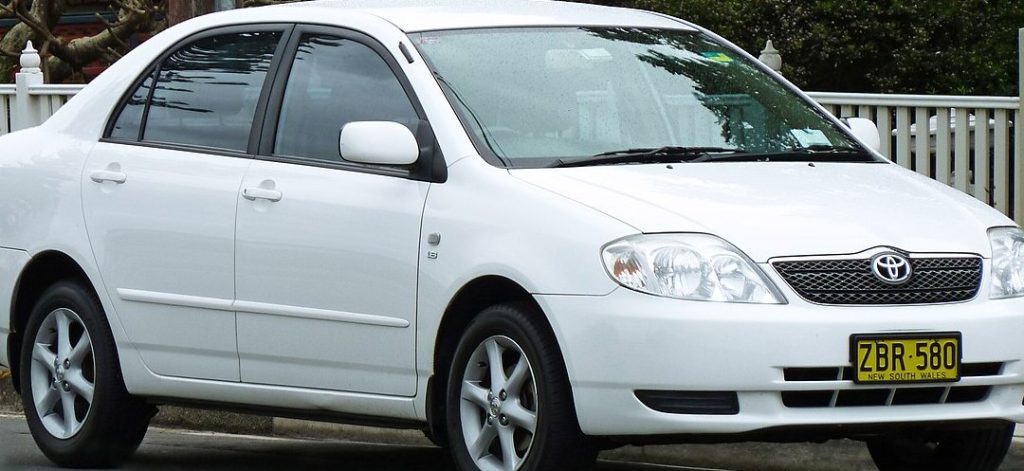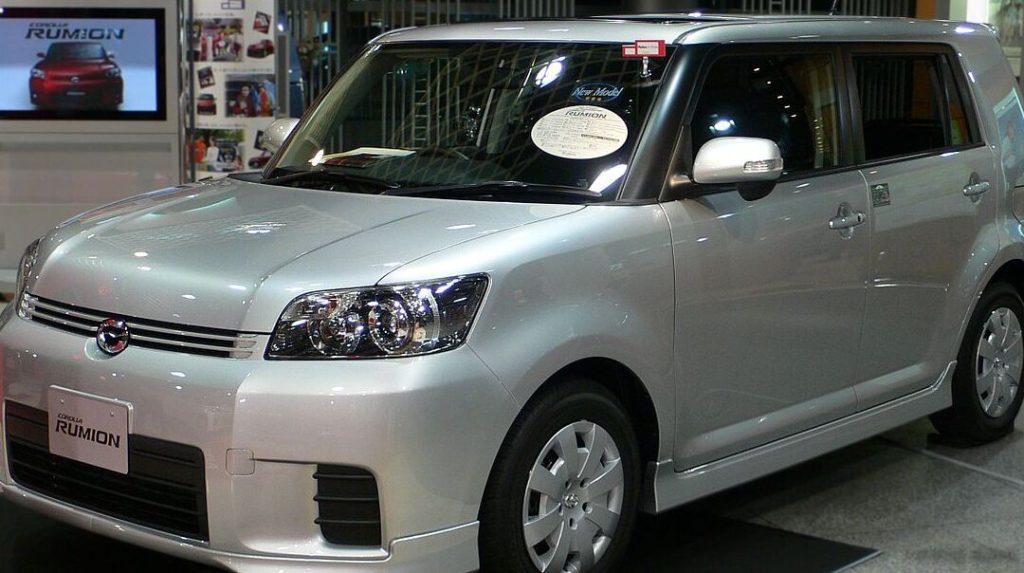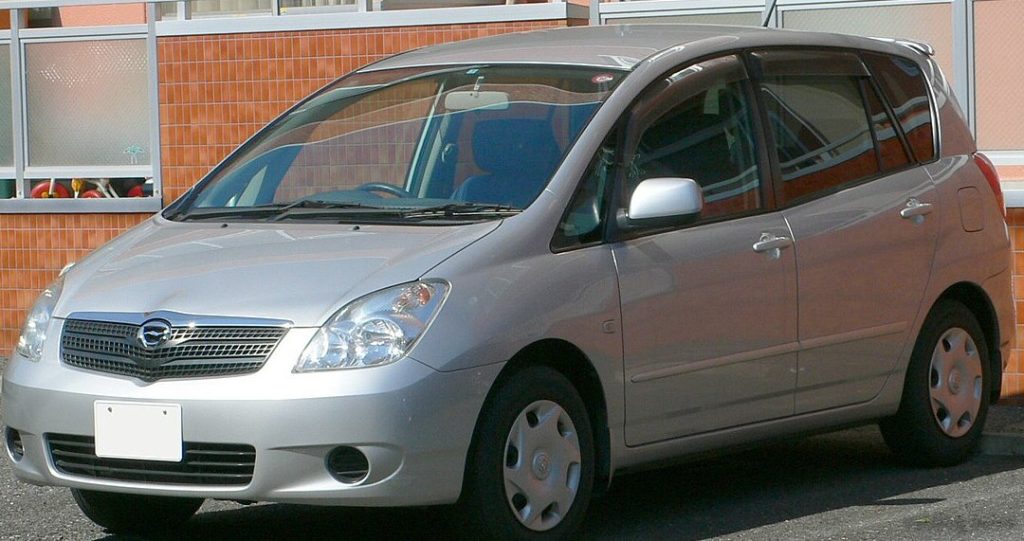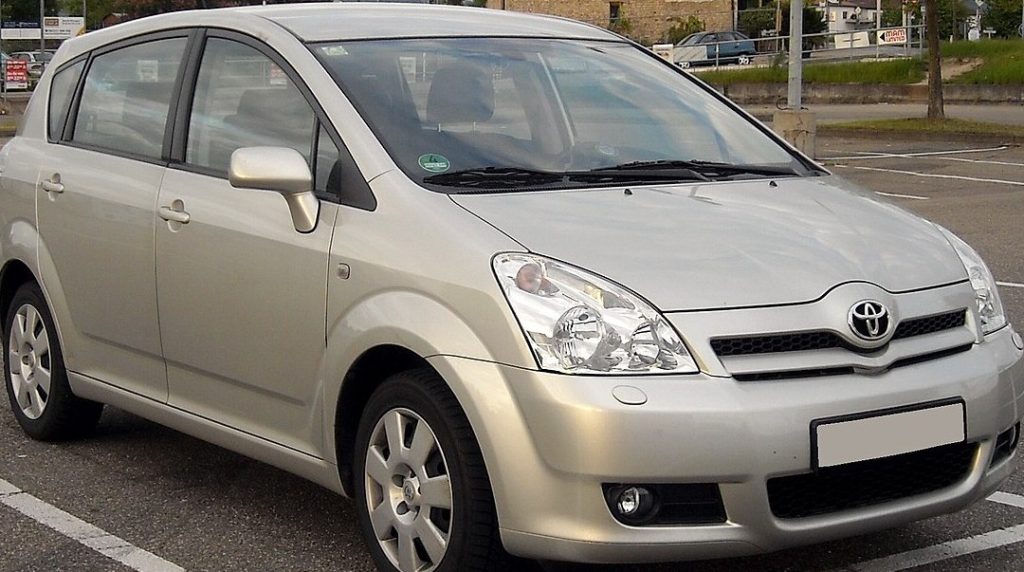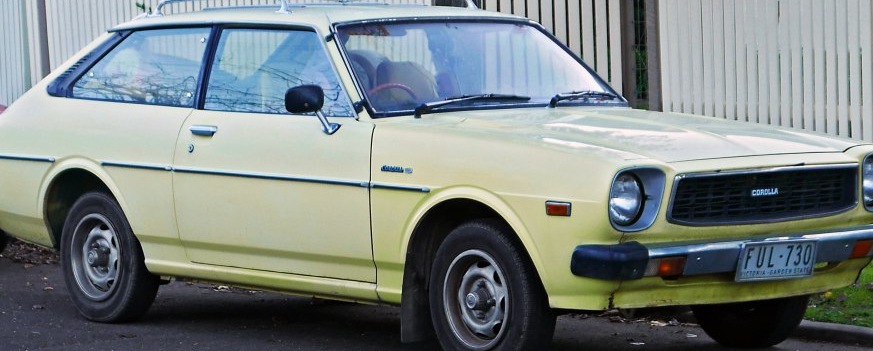
The Toyota Corolla, a name synonymous with reliability and affordability, has enjoyed a long and successful history. The third generation, encompassing chassis codes E30, E40, E50, and E60, represented a significant evolution of the model, particularly with the introduction of a hatchback body style aimed at a younger, more practical-minded buyer. Produced between 1976 and 1980, this generation Corolla offered a range of engines and trim levels, with the 1.6-liter 73 horsepower variant occupying an important position as an entry-level offering. This particular configuration, while not the most powerful in the lineup, provided a balance of fuel economy and usability that appealed to a broad segment of the market, especially in Europe and Australia where the hatchback gained significant traction.
Technical Specifications
| Brand | Toyota |
| Model | Corolla |
| Generation | Corolla Hatch III (E30, E40, E50, E60) |
| Type (Engine) | 1.6 (73 Hp) |
| Start of Production | 1976 |
| End of Production | 1980 |
| Powertrain Architecture | Internal Combustion Engine |
| Body Type | Hatchback |
| Doors | 3 |
| Fuel Type | Petrol (Gasoline) |
| Power | 73 Hp |
| Engine Model/Code | 2T |
| Engine Aspiration | Naturally Aspirated |
| Engine Oil Capacity | 4.1 l (4.33 US qt | 3.61 UK qt) |
| Coolant Capacity | 7.9 l (8.35 US qt | 6.95 UK qt) |
Powertrain & Engine Architecture
The heart of this Corolla variant was the 2T engine, a 1.6-liter inline-four cylinder gasoline engine. This engine, while relatively simple in design, was known for its durability and ease of maintenance. It featured a single overhead camshaft (SOHC) valvetrain, operating two valves per cylinder. Fuel delivery was managed by a carburetor, a common feature for vehicles of this era, rather than fuel injection. The carburetor provided adequate fuel atomization for the engine’s modest power output. The 2T engine produced 73 horsepower at approximately 6,000 rpm and around 88 lb-ft of torque at 3,600 rpm. The transmission paired with this engine was typically a three-speed automatic, although a four-speed manual was also available. The automatic transmission, while offering convenience, was geared towards fuel efficiency rather than spirited performance. It was a relatively basic three-speed unit, lacking the overdrive gears found in later automatic transmissions.
Driving Characteristics
The 1.6-liter, 73 hp Corolla with the automatic transmission wasn’t designed for blistering acceleration. Performance was adequate for everyday driving, but overtaking maneuvers required careful planning. The automatic transmission’s gear ratios were optimized for fuel economy, resulting in a somewhat sluggish response. Zero to sixty mph times were estimated to be around 14-16 seconds. Compared to the more powerful 1.6-liter versions with manual transmissions, or the larger 1.8-liter engines available in some markets, this variant felt noticeably slower. However, the automatic transmission made it a more accessible option for drivers who preferred the convenience of not having to shift gears. The suspension, a traditional setup with MacPherson struts in the front and a leaf spring rear suspension, provided a comfortable ride, although it wasn’t particularly sporty. The steering was light and easy, making it well-suited for urban driving.
Equipment & Trim Levels
The 1.6-liter automatic Corolla typically represented the base trim level within the hatchback range. Standard features generally included cloth upholstery, basic instrumentation (speedometer, fuel gauge, temperature gauge), and a two-spoke steering wheel. Air conditioning and a radio were often optional extras. Interior appointments were functional and durable, prioritizing practicality over luxury. The dashboard layout was simple and straightforward, with easy-to-use controls. Depending on the market, features like a rear window wiper and heated rear window were often included as standard equipment. Higher trim levels, available with the more powerful engines, offered upgrades such as upgraded upholstery, additional instrumentation, and more comprehensive sound systems.
Chassis & Braking
The Corolla Hatchback utilized a body-on-frame construction, a common practice for vehicles of this era. The chassis was relatively lightweight, contributing to the car’s fuel efficiency. The front suspension featured MacPherson struts, providing a reasonable level of ride comfort and handling. The rear suspension employed a leaf spring setup, which was cost-effective but less sophisticated than independent suspension systems. Braking was typically accomplished with drum brakes on all four wheels, although some markets offered front disc brakes as an option. The braking system was adequate for normal driving conditions, but lacked the stopping power of more modern braking systems. Stabilizer bars were not typically fitted to the base 1.6-liter models, further emphasizing the focus on affordability and comfort over sporty handling.
Market Reception & Comparison
The 1.6-liter automatic Corolla hatchback was generally well-received as a practical and economical transportation option. Critics praised its reliability and fuel efficiency, but noted its lack of performance. Compared to other hatchbacks of the time, such as the Volkswagen Golf or Ford Escort, the Corolla offered a more conservative design and a reputation for bulletproof reliability. The automatic transmission, while convenient, contributed to slightly lower fuel economy compared to the manual transmission versions. However, the automatic was a significant selling point for buyers who preferred ease of use. In terms of maintenance, the 2T engine and the three-speed automatic transmission were relatively straightforward to service, making them appealing to budget-conscious owners.
Legacy
The E30-E60 Corolla generation, and specifically the 1.6-liter 73 hp automatic variant, cemented Toyota’s reputation for building durable and reliable vehicles. These cars are still occasionally seen on the road today, a testament to their longevity. The 2T engine, while not a powerhouse, is known for its ability to withstand years of use with minimal maintenance. In the used car market, these Corollas are often sought after by enthusiasts looking for a simple, affordable, and reliable classic car. Parts availability remains relatively good, making them relatively easy to maintain and repair. While not a collector’s item in the same vein as some other classic cars, the 1.6-liter automatic Corolla represents a significant chapter in Toyota’s history and a reminder of a time when reliability and affordability were paramount.