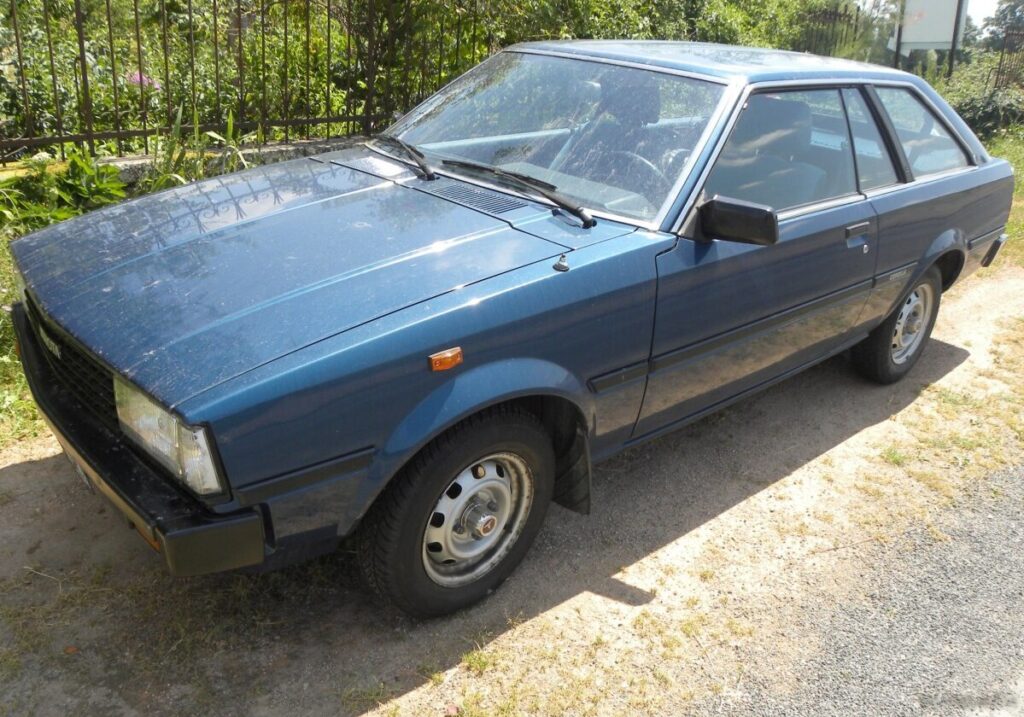
The Toyota Corolla E70, produced from 1979 to 1983, represented a significant step forward for Toyota’s popular compact car. Within the E70 series, the TE71 designation specifically identifies the 1.6-liter hatchback variant, powered by the 2T engine producing 75 horsepower. This model occupied a middle ground in the Corolla lineup, offering a balance between affordability and practicality for buyers seeking a fuel-efficient and reliable daily driver. The E70 generation marked a shift towards more modern styling and features compared to its predecessors, and the TE71, with its hatchback configuration, appealed to a growing segment of buyers prioritizing versatility.
Technical Specifications
| Brand | Toyota |
| Model | Corolla |
| Generation | Corolla Hatch IV (E70) |
| Type (Engine) | 1.6 (TE71) (75 Hp) |
| Start of production | 1979 |
| End of production | 1983 |
| Powertrain Architecture | Internal Combustion engine |
| Body type | Hatchback |
| Seats | 5 |
| Doors | 3 |
| Fuel Type | Petrol (Gasoline) |
| Power | 75 Hp |
| Engine Model/Code | 2T |
| Engine aspiration | Naturally aspirated engine |
| Engine oil capacity | 3.8 l (4.02 US qt | 3.34 UK qt) |
| Coolant capacity | 7.7 l (8.14 US qt | 6.78 UK qt) |
Powertrain & Engine Architecture
The heart of the TE71 was the 2T engine, a 1.6-liter inline-four cylinder gasoline engine. This engine was a naturally aspirated unit, meaning it did not utilize a turbocharger or supercharger. It featured a single overhead camshaft (SOHC) valvetrain, operating two valves per cylinder. The 2T engine employed a carburetor for fuel delivery, a common practice for vehicles of this era. While not particularly powerful by modern standards, the 2T was known for its durability and relatively simple maintenance requirements. The engine’s 75 horsepower output was achieved at approximately 6,000 rpm, with peak torque of around 88 lb-ft at 3,600 rpm. The TE71 was typically equipped with a three-speed automatic transmission, although a four-speed manual was also available. The automatic transmission was designed for smooth, comfortable operation, prioritizing fuel economy over outright performance. The gear ratios were relatively tall, contributing to the car’s relaxed cruising demeanor.
Driving Characteristics
The 1.6-liter, 75 horsepower engine and three-speed automatic transmission combination in the TE71 resulted in a driving experience focused on practicality and fuel efficiency rather than sporty performance. Acceleration was modest, with 0-60 mph times estimated to be around 14-16 seconds. The automatic transmission, while smooth, lacked the responsiveness of a manual gearbox. Upshifts were deliberate, and downshifts could be slow to engage. However, this configuration made the TE71 an easy car to drive in city traffic and on highway journeys. The tall gear ratios helped to keep engine speeds low at cruising speeds, contributing to good fuel economy. Compared to the manual transmission version, the automatic TE71 offered less driver engagement but greater convenience. Higher-spec Corolla models, equipped with larger engines (like the 1.8-liter) or manual transmissions, provided significantly more spirited performance.
Equipment & Trim Levels
The TE71 Corolla Hatchback, in its base form, was relatively sparsely equipped, reflecting its position as an affordable compact car. Standard features typically included cloth upholstery, vinyl floor covering, and basic instrumentation consisting of a speedometer, fuel gauge, and temperature gauge. The steering wheel was typically made of plastic. Optional extras included a radio, upgraded upholstery, and a rear window defogger. Trim levels varied depending on the market, but generally, the TE71 offered a step up in features compared to the more basic Corolla sedan models. The hatchback body style itself was considered a premium feature, offering greater cargo versatility than the sedan. Interior space was adequate for a car of its size, comfortably accommodating five passengers.
Chassis & Braking
The TE71 Corolla utilized a relatively simple chassis design. It featured a MacPherson strut front suspension and a leaf spring rear suspension. This suspension setup provided a comfortable ride, although it wasn’t particularly sporty. The rear leaf springs were a cost-effective solution, but they could contribute to a somewhat bouncy ride, especially when the car was loaded with passengers or cargo. Braking was typically accomplished with drum brakes on all four wheels, although some higher-spec models may have featured front disc brakes. The braking system was adequate for normal driving conditions, but it lacked the stopping power of more modern braking systems. Steering was manual rack and pinion, providing reasonably precise control. The TE71’s relatively light weight helped to compensate for the limitations of its suspension and braking systems.
Market Reception & Comparison
The Toyota Corolla E70, and the TE71 hatchback variant specifically, were well-received by consumers and automotive critics alike. The Corolla was praised for its reliability, fuel efficiency, and affordability. The TE71’s hatchback body style was seen as a practical and versatile option, appealing to buyers who needed a car that could handle both passengers and cargo. Compared to other compact cars of the era, such as the Ford Escort or the Volkswagen Golf, the Corolla offered a compelling combination of value and dependability. The 1.6-liter engine and automatic transmission combination was considered a good choice for drivers who prioritized convenience and fuel economy over performance. However, some critics noted that the automatic transmission could feel sluggish, and the car’s overall performance was not particularly exciting. Fuel economy was a strong point, with the TE71 achieving around 28-32 mpg in real-world driving conditions.
Legacy
The Toyota Corolla E70, including the TE71 variant, holds a significant place in automotive history as a symbol of Toyota’s commitment to quality and reliability. These cars were known for their ability to withstand years of use with minimal maintenance. Today, the TE71 is a popular choice among classic car enthusiasts and collectors, particularly those interested in Japanese domestic market (JDM) vehicles. The 2T engine, while not a high-performance unit, is relatively easy to maintain and repair. Parts availability is generally good, although some components may be becoming increasingly difficult to find. Well-maintained TE71 models are appreciating in value, reflecting their growing popularity and historical significance. The TE71 remains a testament to Toyota’s engineering prowess and its ability to create durable, dependable vehicles that stand the test of time.