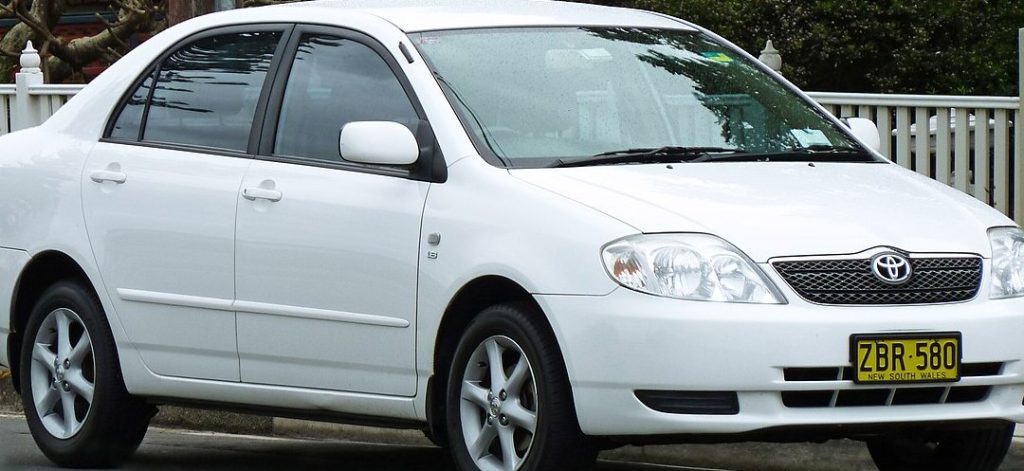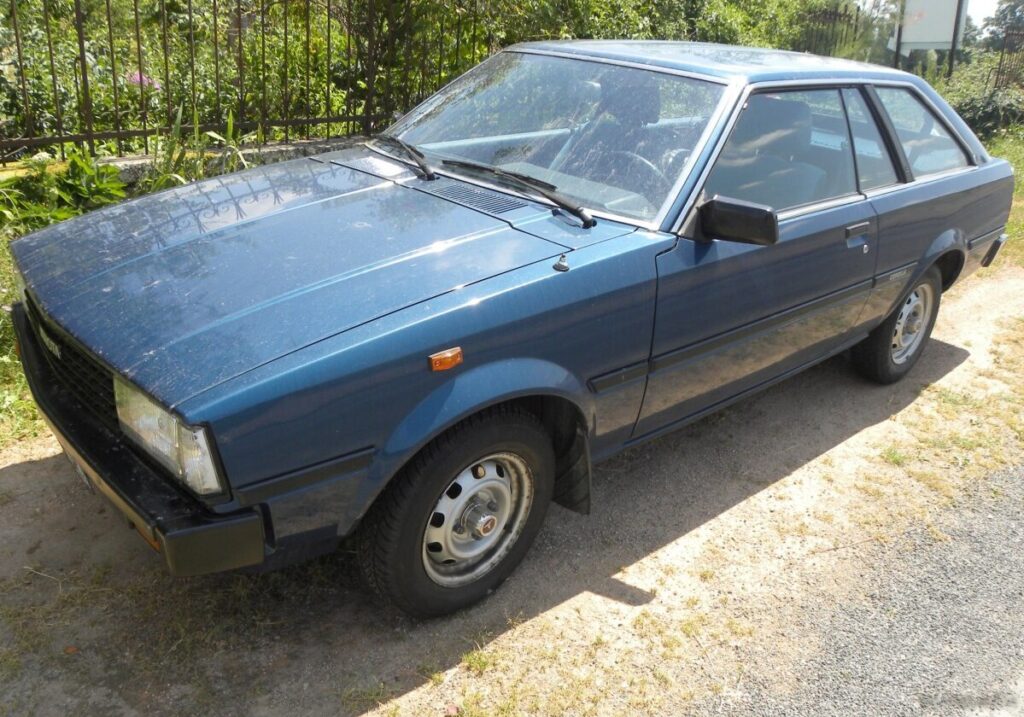
The Toyota Corolla E70, produced from 1979 to 1983, represented a significant step forward for Toyota’s popular compact car. Within the E70 series, the TE71 designation specifically identifies the 1.6-liter hatchback variant, powered by the 2T-B engine and producing 86 horsepower. This model occupied a middle ground in the E70 lineup, offering a balance between affordability and practicality for buyers seeking a versatile and economical vehicle. It was a key player in Toyota’s expansion in markets outside of Japan, particularly in North America and Europe, where the hatchback body style was gaining popularity.
Technical Specifications
| Brand | Toyota |
| Model | Corolla |
| Generation | Corolla Hatch IV (E70) |
| Type (Engine) | 1.6 (TE71) (86 Hp) |
| Start of production | 1979 |
| End of production | 1983 |
| Powertrain Architecture | Internal Combustion engine |
| Body type | Hatchback |
| Seats | 5 |
| Doors | 3 |
| Fuel Type | Petrol (Gasoline) |
| Power | 86 Hp |
| Engine Model/Code | 2T-B |
| Engine aspiration | Naturally aspirated engine |
| Engine oil capacity | 3.8 l (4.02 US qt | 3.34 UK qt) |
| Coolant capacity | 7.7 l (8.14 US qt | 6.78 UK qt) |
Powertrain & Engine Architecture
The heart of the TE71 Corolla was the 2T-B engine, a 1.6-liter inline-four cylinder gasoline engine. This engine featured a single overhead camshaft (SOHC) design, operating with two valves per cylinder. The 2T-B utilized a carburetor for fuel delivery, a common practice for the time, rather than fuel injection. While not particularly powerful by modern standards, the 2T-B was known for its reliability and relatively smooth operation. The engine produced 86 horsepower at approximately 6,000 rpm and 99 lb-ft of torque at 3,600 rpm. The transmission paired with the 2T-B in the TE71 was typically a three-speed automatic, although a four-speed manual transmission was also available. The automatic transmission was designed for smooth, comfortable shifts, prioritizing fuel economy over outright performance. It was a relatively simple three-speed unit, lacking the overdrive gears found in later automatic transmissions.
Driving Characteristics
The TE71 Corolla 1.6 Automatic offered a comfortable, if not particularly exhilarating, driving experience. The automatic transmission, while smooth, did detract from the engine’s available power. Acceleration was adequate for everyday driving, but passing maneuvers required careful planning. The three-speed automatic’s gear ratios were geared towards fuel efficiency, meaning the engine often operated at higher rpm during highway cruising. Compared to the four-speed manual version, the automatic TE71 felt noticeably slower, especially in the mid-range. The suspension, while basic, provided a reasonably comfortable ride, absorbing bumps and imperfections in the road surface effectively. Steering was light and easy, making the car maneuverable in urban environments. Overall, the driving experience was geared towards practicality and ease of use, rather than sporty performance.
Equipment & Trim Levels
The TE71 Corolla 1.6 Automatic typically came with a fairly basic level of equipment. Standard features generally included cloth upholstery, a simple dashboard layout with analog gauges, and a two-speaker AM/FM radio. Power steering was not standard, but was sometimes available as an option. Air conditioning was also an optional extra, and relatively uncommon on these models. Interior trim levels varied depending on the market, but generally consisted of durable, easy-to-clean materials. The TE71 often featured a black or grey interior color scheme. Optional extras could include upgraded audio systems, tinted glass, and wheel covers. The trim level of the TE71 generally positioned it as a step up from the base Corolla models, offering a slightly more refined interior and a more powerful engine, but falling short of the features found on higher-end trims.
Chassis & Braking
The TE71 Corolla utilized a rear-wheel-drive layout, a common configuration for cars of this era. The suspension consisted of independent front suspension with MacPherson struts and a live axle with leaf springs in the rear. Braking was typically accomplished with disc brakes on the front wheels and drum brakes on the rear. The braking system was adequate for the car’s weight and performance, but lacked the stopping power of more modern braking systems. Stabilizer bars were not standard on all TE71 models, but were sometimes included as an option to reduce body roll during cornering. The chassis was relatively lightweight, contributing to the car’s fuel efficiency and maneuverability. The overall design prioritized simplicity and durability over advanced handling characteristics.
Market Reception & Comparison
The TE71 Corolla 1.6 Automatic was generally well-received by critics and consumers alike. It was praised for its reliability, fuel economy, and practicality. However, the automatic transmission was sometimes criticized for detracting from the engine’s performance. Compared to other trims in the E70 lineup, such as the 1.3-liter models, the 1.6-liter offered a noticeable improvement in power and acceleration. However, the more powerful and sporty Corolla variants, like those equipped with the 1.6L twin cam engine, offered a significantly more engaging driving experience. In terms of fuel economy, the 1.6-liter automatic typically achieved around 25-30 mpg in combined driving, which was competitive for the time. Reliability was a key selling point, and the TE71 Corolla earned a reputation for being a dependable and long-lasting vehicle.
Legacy
The Toyota Corolla E70, and specifically the TE71 1.6 Automatic, holds a significant place in automotive history as a symbol of Toyota’s growing reputation for quality and reliability. These cars are now considered classics, and well-maintained examples are sought after by collectors and enthusiasts. The 2T-B engine, while not a high-performance unit, proved to be remarkably durable, and many examples are still running today. The TE71’s simple design and readily available parts make it relatively easy to maintain and repair. In the used car market, these Corollas are often valued for their affordability, simplicity, and nostalgic appeal. While not a particularly fast or luxurious car, the TE71 Corolla 1.6 Automatic represents a well-engineered and dependable vehicle that played a key role in Toyota’s success.