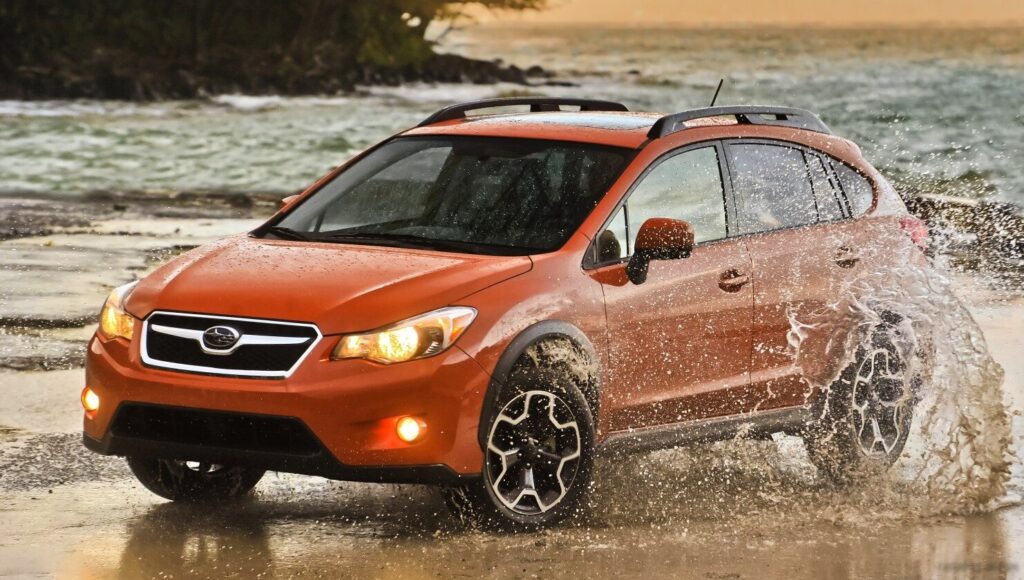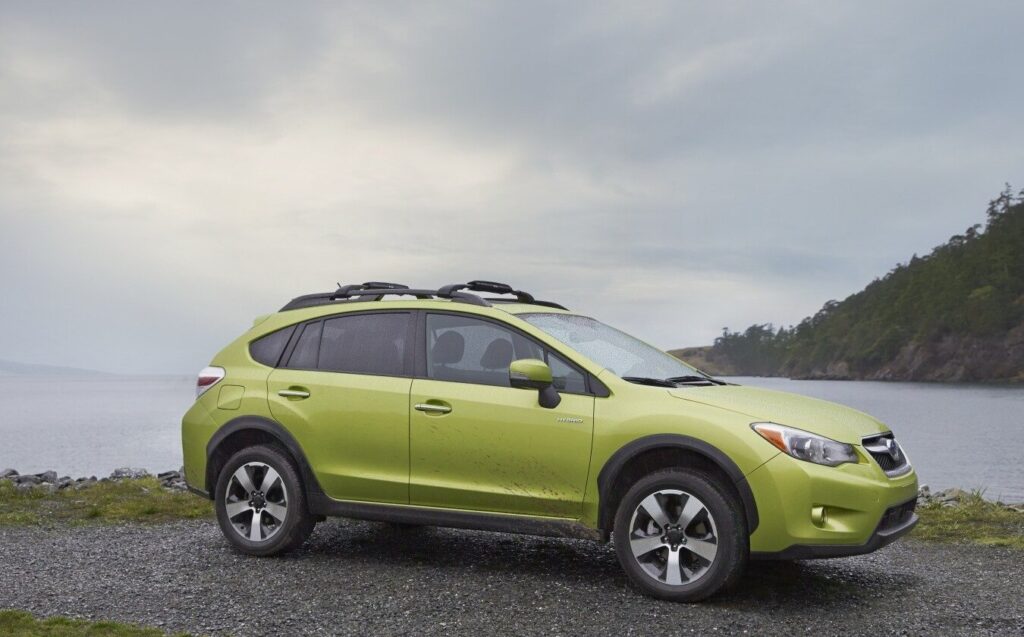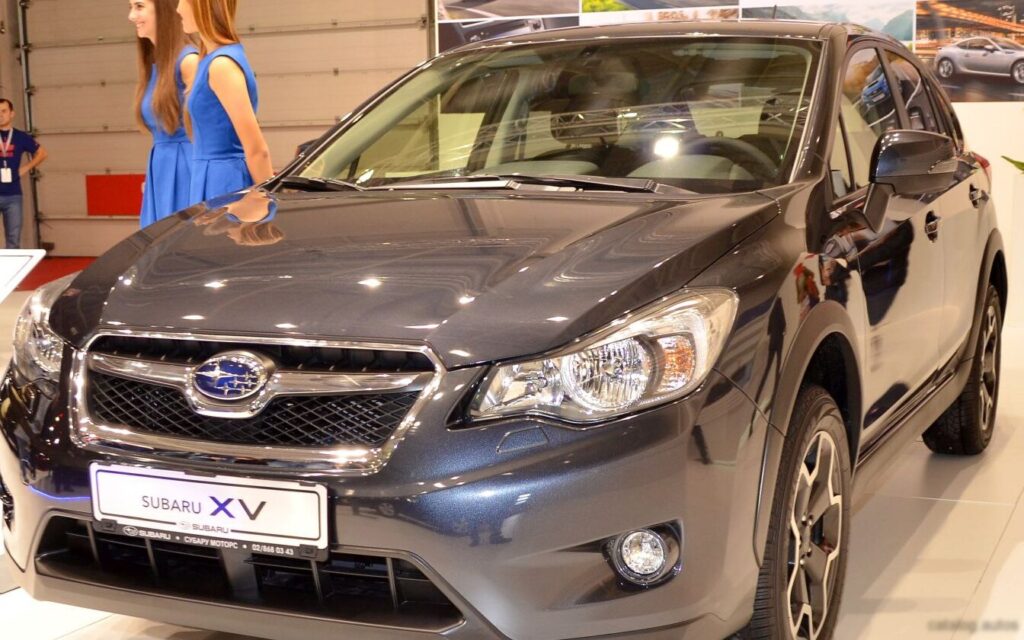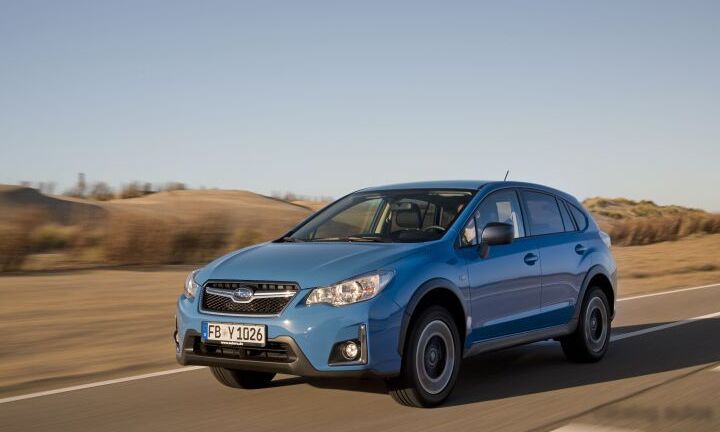
The Subaru XV, known as the Subaru Crosstrek in North America, is a compact crossover SUV introduced by Subaru in 2012. The first generation, designated XV I, underwent a significant facelift in January 2016, bringing updated styling and refinements to the vehicle. This article focuses specifically on the 2.0d variant of the facelifted XV I, produced between 2016 and 2018, equipped with the 147 horsepower diesel engine. This model played a crucial role in Subaru’s European and Asian markets, offering a fuel-efficient and capable all-wheel-drive option in the increasingly popular compact SUV segment.
Technical Specifications
| Brand | Subaru |
| Model | XV |
| Generation | XV I (facelift 2016) |
| Type (Engine) | 2.0d (147 Hp) |
| Start of production | January, 2016 |
| End of production | January, 2018 |
| Powertrain Architecture | Internal Combustion engine |
| Body type | SUV |
| Seats | 5 |
| Doors | 5 |
| Fuel consumption (urban) | 6.8 l/100 km (34.6 US mpg, 41.5 UK mpg, 14.7 km/l) |
| Fuel consumption (extra urban) | 4.6 l/100 km (51.1 US mpg, 61.4 UK mpg, 21.7 km/l) |
| Fuel consumption (combined) | 5.4 l/100 km (43.6 US mpg, 52.3 UK mpg, 18.5 km/l) |
| CO2 emissions | 141 g/km |
| Fuel Type | Diesel |
| Acceleration 0 – 100 km/h | 9.3 sec |
| Acceleration 0 – 62 mph | 9.3 sec |
| Acceleration 0 – 60 mph | 8.8 sec |
| Maximum speed | 198 km/h (123.03 mph) |
| Emission standard | Euro 6 |
| Weight-to-power ratio | 9.8 kg/Hp, 101.7 Hp/tonne |
| Weight-to-torque ratio | 4.1 kg/Nm, 242.2 Nm/tonne |
| Power | 147 Hp @ 3600 rpm |
| Torque | 350 Nm @ 1600-2800 rpm (258.15 lb.-ft. @ 1600-2800 rpm) |
| Engine layout | Front, Longitudinal |
| Engine Model/Code | EE20 |
| Engine displacement | 1998 cm3 (121.93 cu. in.) |
| Number of cylinders | 4 |
| Engine configuration | Boxer |
| Cylinder Bore | 86 mm (3.39 in.) |
| Piston Stroke | 86 mm (3.39 in.) |
| Compression ratio | 15.2:1 |
| Number of valves per cylinder | 4 |
| Fuel injection system | Diesel Commonrail |
| Engine aspiration | Turbocharger, Intercooler |
| Engine oil capacity | 5.9 l (6.23 US qt | 5.19 UK qt) |
| Coolant | 8.5 l (8.98 US qt | 7.48 UK qt) |
| Kerb Weight | 1445-1470 kg (3185.68 – 3240.8 lbs.) |
| Max. weight | 1960 kg (4321.06 lbs.) |
| Max load | 490-515 kg (1080.27 – 1135.38 lbs.) |
| Trunk (boot) space – minimum | 380 l (13.42 cu. ft.) |
| Trunk (boot) space – maximum | 1270 l (44.85 cu. ft.) |
| Fuel tank capacity | 60 l (15.85 US gal | 13.2 UK gal) |
| Max. roof load | 80 kg (176.37 lbs.) |
| Permitted trailer load with brakes (12%) | 1600 kg (3527.4 lbs.) |
| Permitted trailer load without brakes | 650 kg (1433 lbs.) |
| Length | 4450 mm (175.2 in.) |
| Width | 1780 mm (70.08 in.) |
| Height | 1570 mm (61.81 in.) |
| Wheelbase | 2635 mm (103.74 in.) |
| Front track | 1525 mm (60.04 in.) |
| Rear (Back) track | 1525 mm (60.04 in.) |
| Ride height (ground clearance) | 220 mm (8.66 in.) |
| Minimum turning circle (turning diameter) | 11.4 m (37.4 ft.) |
| Approach angle | 19.6° |
| Departure angle | 29.3° |
| Drive wheel | All wheel drive (4×4) |
| Number of gears and type of gearbox | 6 gears, manual transmission |
| Front brakes | Ventilated discs |
| Rear brakes | Ventilated discs |
| Assisting systems | ABS (Anti-lock braking system) |
| Steering type | Steering rack and pinion |
| Power steering | Electric Steering |
| Tires size | 225/55 R17 |
| Wheel rims size | 7J x 17 |
INTRODUCTION
The 2016 facelift of the Subaru XV I brought a refreshed look and subtle mechanical improvements to Subaru’s popular crossover. The 2.0d variant, powered by the horizontally-opposed ‘Boxer’ diesel engine, was a key offering, particularly in European markets where diesel fuel was prevalent and fuel economy was a high priority. Positioned as a mid-range trim, it offered a balance between affordability and features, appealing to buyers seeking a practical and capable all-wheel-drive vehicle. The XV I, built on the Subaru Impreza platform (1HX0/A3), aimed to blend the practicality of a hatchback with the increased ride height and all-weather capability of an SUV.
Powertrain & Engine Architecture
The heart of the XV 2.0d is the EE20 2.0-liter turbocharged diesel engine. This engine is a four-cylinder, horizontally-opposed (Boxer) design, a signature of Subaru. The EE20 utilizes a common rail direct injection system, delivering fuel at extremely high pressure for efficient combustion. It features a variable geometry turbocharger (VGT) and an intercooler to maximize power and torque output. The engine produces 147 horsepower at 3600 rpm and a substantial 350 Nm (258 lb-ft) of torque between 1600 and 2800 rpm. This broad torque curve provides strong pulling power at lower engine speeds, making it well-suited for everyday driving and towing. The engine is paired with a six-speed manual transmission, sending power to all four wheels via Subaru’s symmetrical all-wheel-drive system.
Driving Characteristics
The 2.0d variant of the XV I offers a comfortable and capable driving experience. While not a performance-oriented model, the 350 Nm of torque provides ample power for overtaking and navigating hilly terrain. The six-speed manual transmission allows for precise control, although the gear ratios are geared towards fuel efficiency rather than outright acceleration. Compared to the petrol-powered versions, the 2.0d offers significantly better fuel economy and a more relaxed cruising experience. However, it lacks the responsiveness of the higher-output petrol engines. The all-wheel-drive system provides excellent traction in various conditions, making it a confident performer on slippery roads. The ride quality is generally comfortable, absorbing bumps and imperfections in the road surface effectively.
Equipment & Trim Levels
The 2.0d trim of the facelifted XV I typically included standard features such as air conditioning, power windows, power mirrors, a multi-function steering wheel, and a basic audio system with USB connectivity. Safety features included ABS, electronic brakeforce distribution, and multiple airbags. Higher trim levels offered options such as alloy wheels, a sunroof, a touchscreen infotainment system with navigation, and leather upholstery. The interior design was functional and practical, with durable materials and a focus on usability. The rear seats offered adequate space for passengers, and the cargo area was reasonably sized for a compact crossover.
Chassis & Braking
The XV I utilizes a MacPherson strut suspension setup at the front and a double-wishbone suspension at the rear, providing a good balance between ride comfort and handling. The chassis is reinforced to handle the added weight of the diesel engine and all-wheel-drive components. Braking duties are handled by ventilated disc brakes on all four wheels, providing adequate stopping power. The electric power steering system offers light and precise steering feel. The XV I’s relatively high ground clearance of 220mm (8.66 inches) allows it to tackle rough terrain and navigate obstacles with ease.
Market Reception & Comparison
The Subaru XV 2.0d was generally well-received by automotive critics, who praised its fuel efficiency, all-wheel-drive capability, and comfortable ride. However, some critics noted that the engine could be somewhat noisy and lacked the refinement of some competitors. Compared to the petrol-powered XV variants, the 2.0d offered superior fuel economy and torque, making it a more practical choice for long-distance driving. Compared to other diesel-powered crossovers in its class, the XV 2.0d offered a unique combination of all-wheel-drive capability and Subaru’s Boxer engine technology.
Legacy
The EE20 diesel engine, while robust, has been known to require diligent maintenance, particularly regarding the diesel particulate filter (DPF). Regular servicing and the use of high-quality diesel fuel are crucial to prevent DPF issues. Today, well-maintained examples of the XV 2.0d can still be found on the used car market, offering a reliable and capable all-wheel-drive option at an affordable price. The XV I, and specifically the 2.0d variant, helped solidify Subaru’s reputation for building durable and capable vehicles, and paved the way for the continued success of the Crosstrek/XV model line.