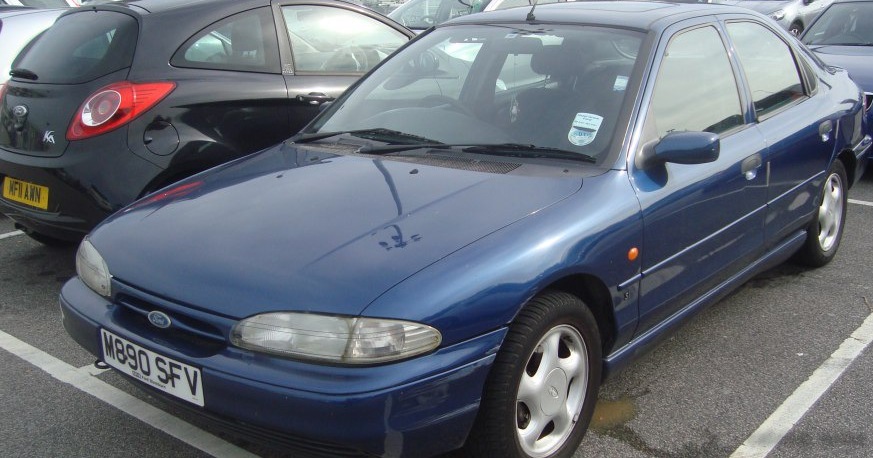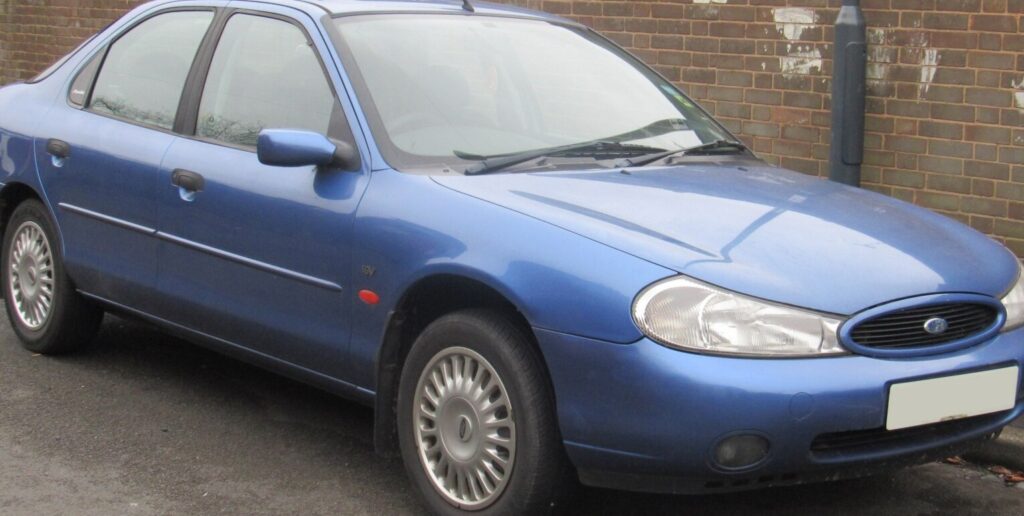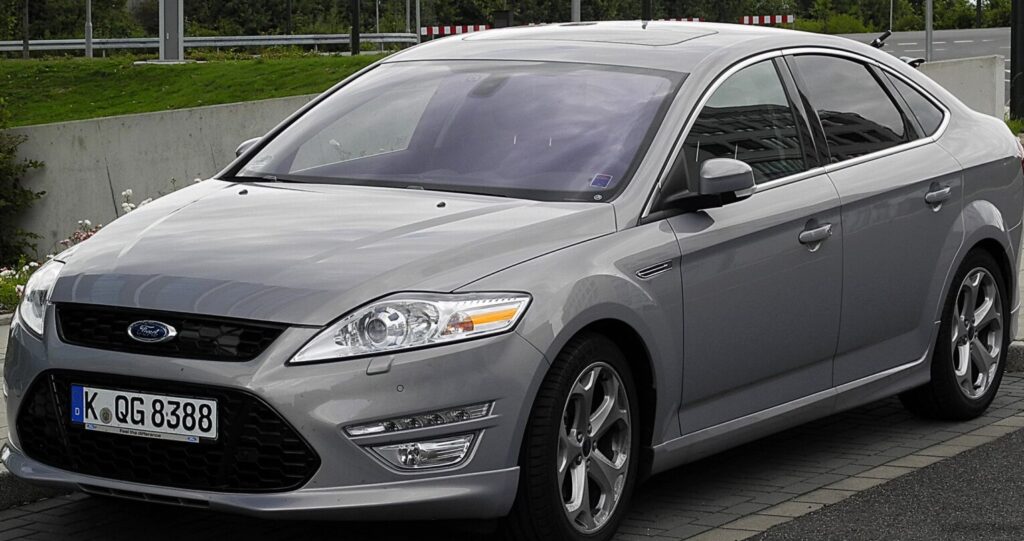
The Ford Mondeo III, particularly the facelifted version introduced in 2010, represented a significant evolution of Ford’s mid-size family car. Produced from 2010 to 2014, this generation Mondeo aimed to blend practicality, comfort, and a degree of driving enjoyment. The 2.0 TDCI variant, producing 140 horsepower, was a popular choice in European markets, offering a balance between fuel efficiency and usable performance. This specific engine and transmission combination occupied a mid-range position within the Mondeo lineup, appealing to drivers seeking economical transportation without sacrificing refinement. It sat below the more powerful 2.2-liter diesel and petrol variants, and above the entry-level 1.6-liter petrol engine.
Technical Specifications
| Brand | Ford |
| Model | Mondeo |
| Generation | Mondeo III Hatchback (facelift 2010) |
| Type (Engine) | 2.0 TDCI (140 Hp) Duratorq |
| Start of production | 2010 |
| End of production | 2014 |
| Powertrain Architecture | Internal Combustion engine |
| Body type | Hatchback |
| Seats | 5 |
| Doors | 5 |
| Fuel consumption (urban) | 6.4 l/100 km (36.8 US mpg, 44.1 UK mpg, 15.6 km/l) |
| Fuel consumption (extra urban) | 4.6 l/100 km (51.1 US mpg, 61.4 UK mpg, 21.7 km/l) |
| Fuel consumption (combined) | 5.3 l/100 km (44.4 US mpg, 53.3 UK mpg, 18.9 km/l) |
| CO2 emissions | 139 g/km |
| Fuel Type | Diesel |
| Acceleration 0 – 100 km/h | 9.5 sec |
| Acceleration 0 – 62 mph | 9.5 sec |
| Acceleration 0 – 60 mph | 9 sec |
| Maximum speed | 210 km/h (130.49 mph) |
| Emission standard | Euro 5 |
| Weight-to-power ratio | 11.1 kg/Hp, 89.9 Hp/tonne |
| Weight-to-torque ratio | 4.9 kg/Nm, 205.5 Nm/tonne |
| Power | 140 Hp @ 3750 rpm |
| Power per litre | 70.1 Hp/l |
| Torque | 320 Nm @ 1750-2750 rpm (236.02 lb.-ft. @ 1750-2750 rpm) |
| Engine layout | Front, Transverse |
| Engine Model/Code | UFBA |
| Engine displacement | 1997 cm3 (121.86 cu. in.) |
| Number of cylinders | 4 |
| Engine configuration | Inline |
| Cylinder Bore | 85 mm (3.35 in.) |
| Piston Stroke | 88 mm (3.46 in.) |
| Compression ratio | 17.9:1 |
| Number of valves per cylinder | 4 |
| Fuel injection system | Diesel Commonrail |
| Engine aspiration | Turbocharger, Intercooler |
| Engine oil capacity | 5.5 l (5.81 US qt | 4.84 UK qt) |
| Coolant capacity | 8.1 l (8.56 US qt | 7.13 UK qt) |
| Kerb Weight | 1557 kg (3432.6 lbs.) |
| Max. weight | 2180 kg (4806.08 lbs.) |
| Max load | 623 kg (1373.48 lbs.) |
| Trunk (boot) space – minimum | 486 l (17.16 cu. ft.) |
| Trunk (boot) space – maximum | 1390 l (49.09 cu. ft.) |
| Length | 4784 mm (188.35 in.) |
| Width | 1886 mm (74.25 in.) |
| Height | 1500 mm (59.06 in.) |
| Wheelbase | 2850 mm (112.2 in.) |
| Front track | 1588 mm (62.52 in.) |
| Rear track | 1605 mm (63.19 in.) |
| Minimum turning circle | 11.6 m (38.06 ft.) |
| Drivetrain Architecture | Front wheel drive |
| Number of gears | 6 gears, manual transmission |
| Front suspension | Independent, type McPherson with coil spring and anti-roll bar |
| Rear suspension | Independent multi-link spring suspension with stabilizer |
| Front brakes | Ventilated discs |
| Rear brakes | Disc |
| Assisting systems | ABS (Anti-lock braking system) |
| Steering type | Steering rack and pinion |
| Tires size | 205/55 R16 |
| Wheel rims size | 6.5J x 16 |
INTRODUCTION
The 2.0 TDCI 140 horsepower variant of the Ford Mondeo III facelift (2010-2014) was a cornerstone of the model range in Europe. Built on the Ford C/D platform (internally designated as 1HX0 for the hatchback), this Mondeo aimed to provide a compelling package of space, comfort, and efficiency. The facelift brought revised styling, improved interior materials, and updated technology, enhancing the Mondeo’s appeal in a competitive segment. The 2.0 TDCI engine, part of Ford’s Duratorq family, was specifically tuned to deliver a balance between fuel economy and adequate performance for everyday driving. This version was particularly popular with fleet buyers and private customers seeking a practical and economical family car.
Powertrain & Engine Architecture
The heart of this Mondeo variant is the 2.0-liter Duratorq TDCi diesel engine, bearing the code UFBA. This engine is a four-cylinder, inline configuration, utilizing a common-rail direct fuel injection system. The common-rail system, operating at very high pressures, ensures precise fuel delivery and contributes to both power and efficiency. The engine features a turbocharger with an intercooler, boosting power output and improving throttle response. The valvetrain employs four valves per cylinder, optimizing gas flow for enhanced performance. The 140 horsepower output is achieved at 3750 rpm, while peak torque of 320 Nm (236 lb-ft) is available between 1750 and 2750 rpm, providing strong pulling power at lower engine speeds. The engine’s 17.9:1 compression ratio is typical for a modern diesel engine. The 6-speed manual transmission was the standard offering, providing a good balance between fuel economy and driver control.
Driving Characteristics
The 2.0 TDCI 140 hp Mondeo offered a comfortable and refined driving experience. While not a performance-oriented model, the engine provided sufficient power for everyday driving, including highway cruising and overtaking. The 9.5-second 0-62 mph acceleration time is respectable for a diesel-powered family car. The six-speed manual transmission allowed drivers to keep the engine in its optimal torque band, maximizing efficiency and responsiveness. Compared to the higher-output 2.2-liter TDCi, the 2.0-liter felt less urgent in acceleration, but it offered superior fuel economy. The gear ratios were tuned for a balance of acceleration and cruising comfort. The Mondeo’s well-tuned suspension absorbed bumps effectively, providing a smooth ride, even on less-than-perfect road surfaces.
Equipment & Trim Levels
The 2.0 TDCI 140 hp Mondeo was typically offered in mid-range trim levels, such as LX, Zetec, or Titanium. Standard equipment generally included air conditioning, power windows, power mirrors, a CD/radio system, and alloy wheels. Zetec trims added features like front fog lights, a leather-wrapped steering wheel, and upgraded interior trim. The Titanium trim level offered even more luxury, with features such as automatic climate control, heated front seats, and a premium audio system. Optional extras included satellite navigation, parking sensors, and a sunroof. Interior upholstery was typically cloth, with leather options available on higher trims.
Chassis & Braking
The Mondeo III utilized an independent front suspension with McPherson struts and a coil spring and anti-roll bar. The rear suspension employed an independent multi-link setup, also with a stabilizer bar, contributing to the car’s comfortable ride and stable handling. Front brakes were ventilated discs, providing ample stopping power, while rear brakes were solid discs. Anti-lock Braking System (ABS) was standard, enhancing safety. The chassis was designed to provide a good balance between ride comfort and handling precision. The steering was a rack and pinion system, offering precise and responsive control.
Market Reception & Comparison
The 2.0 TDCI 140 hp Mondeo was well-received by critics and consumers alike. It was praised for its fuel efficiency, comfortable ride, and spacious interior. Compared to the more powerful diesel variants, the 2.0 TDCI offered a lower purchase price and better fuel economy, making it an attractive option for budget-conscious buyers. However, some reviewers noted that the engine could feel strained when fully loaded or driving uphill. In terms of reliability, the Duratorq engine proved to be generally robust, although regular maintenance was essential. Fuel economy figures of around 44.4 US mpg (combined) were typical, making it a very economical choice for long-distance driving.
Legacy
The 2.0 TDCI Duratorq engine has proven to be a durable and reliable powertrain. In the used car market, Mondeos equipped with this engine are generally sought after for their fuel efficiency and relatively low running costs. While older examples may require some maintenance, the engine itself is known for its longevity. The Mondeo III, particularly the facelifted version, remains a popular choice for those seeking a practical and affordable family car. The 2.0 TDCI 140 hp variant represents a sweet spot in the lineup, offering a good balance of performance, economy, and comfort.