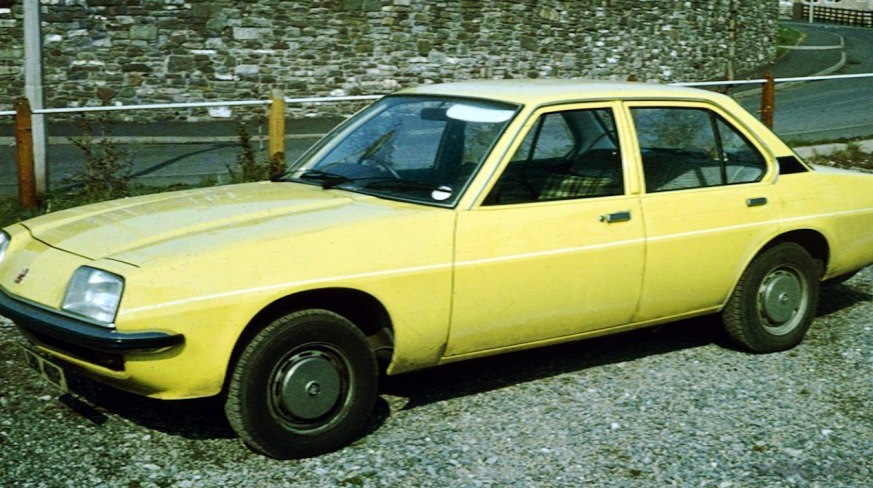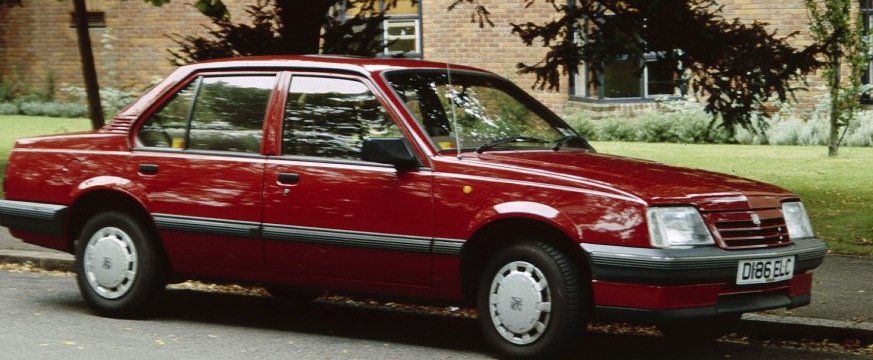
The Vauxhall Cavalier Mk II 2.0i, produced between 1986 and 1988, represented a significant step up in performance and refinement for the popular British family saloon. Falling within the broader Mk II Cavalier range (introduced in 1985 and based on the Opel Ascona C), the 2.0i model occupied a mid-range position in the lineup, offering a balance between affordability and respectable power. It aimed to appeal to drivers seeking a more engaging driving experience than the base models, without the higher price tag of the more luxurious or performance-oriented trims. The Mk II Cavalier was a crucial model for Vauxhall, solidifying its position in the competitive mid-size segment against rivals like the Ford Sierra and Austin Montego.
Technical Specifications
| Brand | Vauxhall |
| Model | Cavalier |
| Generation | Cavalier Mk II |
| Type (Engine) | 2.0i (115 Hp) |
| Start of production | 1986 |
| End of production | 1988 |
| Powertrain Architecture | Internal Combustion engine |
| Body type | Sedan |
| Seats | 5 |
| Doors | 4 |
| Fuel Type | Petrol (Gasoline) |
| Power | 115 Hp |
| Engine Model/Code | 20NE |
| Engine aspiration | Naturally aspirated engine |
| Engine oil capacity | 4 l (4.23 US qt | 3.52 UK qt) |
| Coolant capacity | 7.5 l (7.93 US qt | 6.6 UK qt) |
Powertrain & Engine Architecture
The heart of the Cavalier 2.0i was the 20NE engine, a 1998cc inline-four cylinder petrol engine. This engine was part of Vauxhall/Opel’s ‘E’ family of engines, known for their robustness and relatively simple design. The 20NE featured a cast iron block and an aluminum cylinder head, employing a single overhead camshaft (SOHC) design operating two valves per cylinder. Fuel delivery was managed by Bosch mechanical fuel injection, a system common for the era, providing a balance between efficiency and performance. While not as sophisticated as later multi-point injection systems, it offered improved fuel atomization compared to carbureted engines. The engine produced 115 horsepower at 5200 rpm and 137 lb-ft of torque at 3600 rpm. The engine was typically paired with a four-speed automatic transmission, although a five-speed manual gearbox was also available. The automatic transmission, while offering convenience, was not known for its particularly quick shifts or sporty feel.
Driving Characteristics
The 2.0i automatic Cavalier offered a comfortable and generally capable driving experience. Acceleration was adequate for the time, with a 0-60 mph time of around 11-12 seconds, making it competitive with other family saloons. However, the automatic transmission did detract from the engine’s potential, resulting in a noticeable difference in performance compared to the manual version. The gear ratios were geared towards fuel economy and smooth cruising rather than outright acceleration. The car felt relatively stable at highway speeds, but the suspension, while comfortable, wasn’t particularly sporty. Steering was light and easy, making it well-suited for urban driving, but lacking in feedback. Compared to the base 1.6L models, the 2.0i offered a more relaxed driving experience, particularly on longer journeys, thanks to the increased power and torque.
Equipment & Trim Levels
The 2.0i trim level generally included features such as central locking, electric front windows, and a basic stereo system. Interior upholstery was typically cloth, available in a range of colors. The dashboard layout was functional and straightforward, with clearly marked gauges. Optional extras included a sunroof, upgraded stereo systems, and metallic paint finishes. The 2.0i sat above the L, GL, and E trims, offering more standard equipment than the entry-level models, but falling short of the more luxurious SR and GLS trims which featured additional features like alloy wheels, upgraded interior trim, and more powerful engines. The trim level was identifiable by badging on the rear of the car.
Chassis & Braking
The Cavalier Mk II utilized a MacPherson strut front suspension and a semi-independent torsion beam rear suspension. This setup provided a reasonable balance between ride comfort and handling. The front suspension featured a stabilizer bar to reduce body roll. Braking was typically accomplished with disc brakes on the front wheels and drum brakes on the rear. The braking system was adequate for normal driving conditions, but lacked the stopping power of more modern systems. The steering was rack and pinion, providing relatively precise steering feel, although it lacked the weight and feedback preferred by driving enthusiasts. The chassis was relatively lightweight, contributing to the car’s overall agility.
Market Reception & Comparison
The Cavalier 2.0i was generally well-received by automotive critics as a competent and practical family saloon. It was praised for its comfortable ride, spacious interior, and relatively affordable price. However, the automatic transmission was often criticized for its sluggish performance and lack of responsiveness. Fuel economy was reasonable for the time, averaging around 25-30 mpg. Compared to the 1.6L models, the 2.0i offered a noticeable improvement in performance, but at a higher purchase price. Compared to the more powerful SR and GLS trims, the 2.0i offered a more economical option for buyers who didn’t require the extra performance. The Ford Sierra 2.0L was a direct competitor, offering similar performance and features, while the Austin Montego 2.0L provided a more traditional British driving experience.
Legacy
The Vauxhall Cavalier Mk II 2.0i, while not a particularly rare or collectible model today, remains a popular choice among classic car enthusiasts and those seeking an affordable and reliable classic. The 20NE engine is known for its durability and relatively simple maintenance requirements. Parts availability is generally good, although some components may be becoming increasingly difficult to find. The automatic transmission, however, can be prone to wear and tear, and may require rebuilding or replacement. Well-maintained examples of the 2.0i can still provide years of reliable service, offering a nostalgic glimpse into 1980s British motoring. The car represents a significant milestone in Vauxhall’s history, demonstrating the company’s commitment to producing practical and affordable family cars.