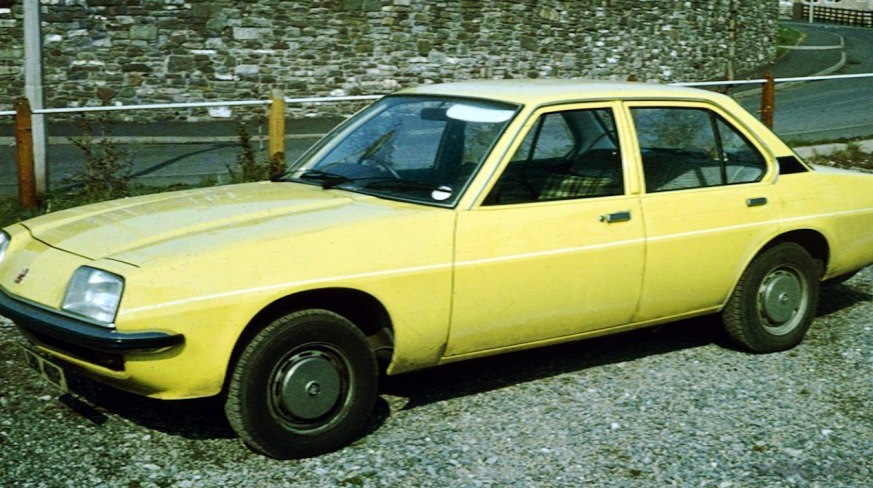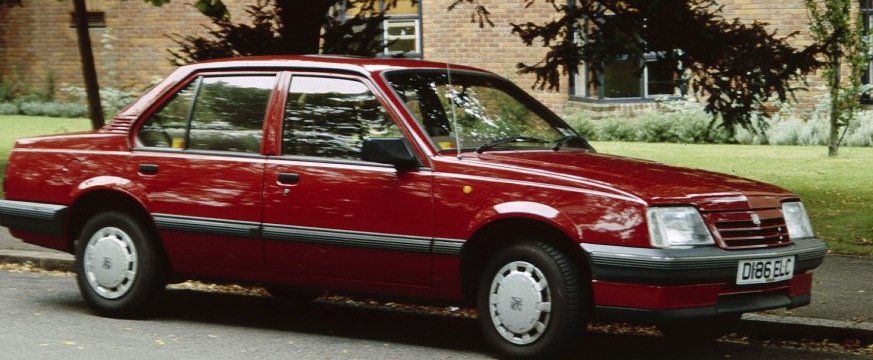
The Vauxhall Cavalier Mk II 2000i, produced between 1986 and 1988, represented a significant step up in performance and refinement for the Cavalier range. Positioned as a mid-range offering within the Mk II generation (introduced in 1985 and based on the GM J-platform), the 2000i aimed to bridge the gap between the more basic models and the flagship SRi. It offered a blend of practicality, comfort, and respectable performance, appealing to family buyers and company car drivers alike. The Mk II Cavalier was Vauxhall’s competitor in the large family car segment, battling rivals like the Ford Sierra and Austin Montego in the UK market.
Technical Specifications
| Brand | Vauxhall |
| Model | Cavalier |
| Generation | Cavalier Mk II |
| Type (Engine) | 2000i (122 Hp) |
| Start of production | 1986 |
| End of production | 1988 |
| Powertrain Architecture | Internal Combustion engine |
| Body type | Sedan |
| Seats | 5 |
| Doors | 4 |
| Fuel Type | Petrol (Gasoline) |
| Power | 122 Hp |
| Engine aspiration | Naturally aspirated engine |
| Engine oil capacity | 3 l (3.17 US qt | 2.64 UK qt) |
| Coolant capacity | 7.5 l (7.93 US qt | 6.6 UK qt) |
| Drivetrain | Front wheel drive |
Powertrain & Engine Architecture
The heart of the Cavalier 2000i was the 1998cc (2.0L) four-cylinder petrol engine, designated as the 20NE. This engine was part of Vauxhall’s Family II series, known for its robust construction and relatively simple design. It featured a cast iron block and an aluminum cylinder head, employing a single overhead camshaft (SOHC) design with two valves per cylinder. Fuel delivery was handled by Bosch mechanical fuel injection, a system common for the era, providing a balance between efficiency and performance. The 20NE produced 122 horsepower at 5200 rpm and 137 lb-ft of torque at 3600 rpm. The engine was typically paired with a four-speed automatic transmission, although a five-speed manual gearbox was also available. The automatic transmission, a GM-sourced unit, was designed for smooth operation and ease of use, prioritizing comfort over outright performance.
Driving Characteristics
The 2000i automatic offered a comfortable and relaxed driving experience. While not particularly sporty, the engine provided adequate power for everyday driving and overtaking maneuvers. The automatic transmission, while smooth, did detract somewhat from the engine’s potential, resulting in slightly slower acceleration compared to the manual version. Gear ratios were geared towards fuel economy and cruising comfort. The 0-60 mph time was approximately 10.5 seconds, and top speed was around 115 mph. Compared to the base models with smaller engines, the 2000i felt significantly more responsive, especially when fully loaded with passengers or luggage. However, the higher-performance SRi models, with their fuel injection and tuned engines, offered a noticeably more engaging driving experience.
Equipment & Trim Levels
The 2000i trim level offered a good level of standard equipment for the time. Typically, it included features such as central locking, electric front windows, a basic stereo system, and cloth upholstery. The interior was generally functional and well-built, although the design was somewhat dated even by the standards of the late 1980s. Optional extras included a sunroof, upgraded stereo systems, and metallic paint finishes. The dashboard layout was straightforward, with clearly labeled controls. The seats provided reasonable comfort for long journeys. The 2000i often featured a more refined interior trim compared to the lower-spec models, with higher-quality cloth and improved sound insulation.
Chassis & Braking
The Cavalier Mk II utilized a MacPherson strut front suspension and a twist-beam rear suspension. This setup provided a reasonable compromise between ride comfort and handling. The 2000i typically featured front disc brakes and rear drum brakes, which were adequate for the car’s weight and performance. Power steering was standard, making the car easy to maneuver in town. Stabilizer bars were fitted to both the front and rear axles to reduce body roll during cornering. The suspension was tuned for comfort, resulting in a relatively soft ride, but it could feel somewhat wallowy when pushed hard. The braking system, while effective, lacked the stopping power of more modern systems.
Market Reception & Comparison
The Cavalier 2000i was generally well-received by the motoring press. Critics praised its comfortable ride, spacious interior, and respectable performance. However, some criticized its somewhat bland styling and the lack of a truly sporty driving experience. Compared to the smaller-engined Cavaliers, the 2000i offered a significant improvement in performance and refinement. However, the SRi models, with their more powerful engines and sportier suspension, were considered more desirable by driving enthusiasts. Fuel economy was reasonable for the time, averaging around 25-30 mpg. Reliability was generally good, although the Bosch fuel injection system could occasionally require maintenance. The 2000i offered a compelling alternative to rivals like the Ford Sierra 2.0L and Austin Montego 2.0L.
Legacy
The Cavalier Mk II 2000i remains a relatively common sight on UK roads today, although many examples have succumbed to rust or have been scrapped. The 20NE engine is known for its durability and relatively simple mechanics, making it a popular choice for classic car enthusiasts. Parts availability is generally good, although some trim-specific items can be difficult to find. The automatic transmission, while reliable, can be prone to wear and tear if not properly maintained. The 2000i represents a solid and dependable family car from the 1980s, offering a blend of practicality, comfort, and affordability. Its enduring popularity is a testament to its well-rounded design and robust engineering. In the used car market, well-maintained examples of the 2000i can fetch reasonable prices, appealing to collectors and those seeking a classic British saloon.