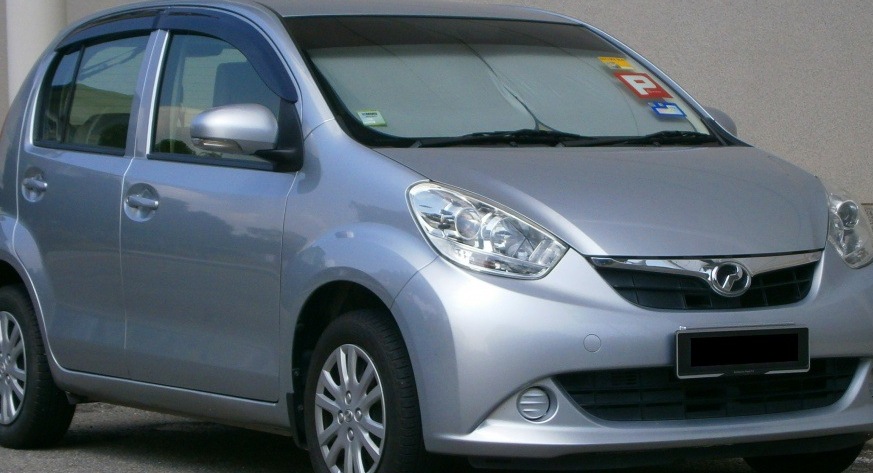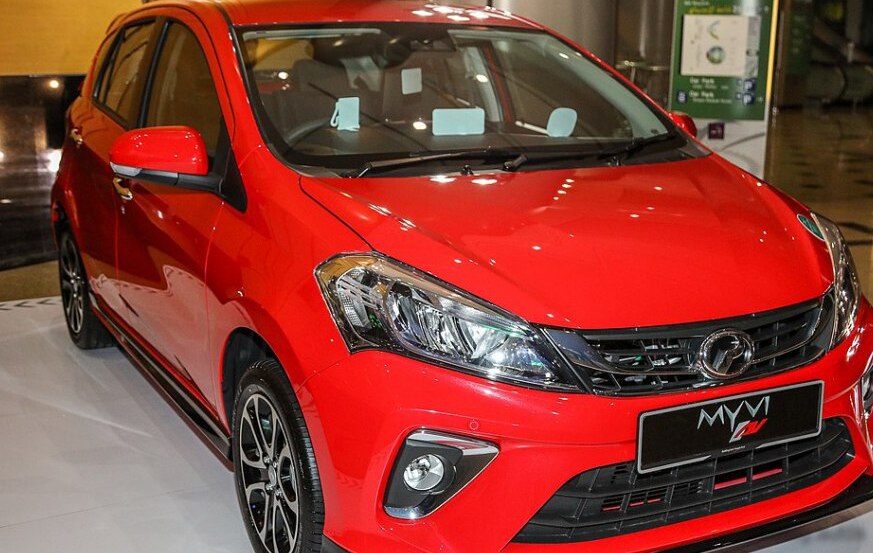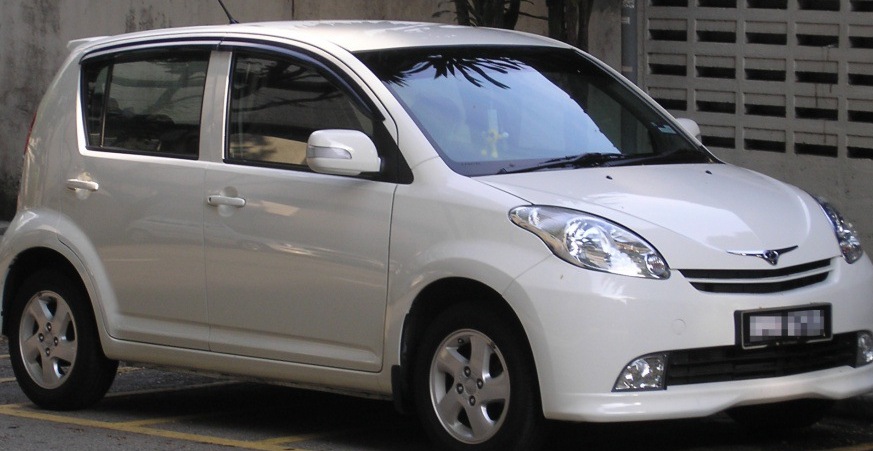
The Perodua Myvi first generation, produced from 2005 to 2011, represented a pivotal moment for the Malaysian automotive industry. Designed as an affordable and practical city car, the Myvi quickly became a dominant force in its segment. The 1.3-liter variant with an automatic transmission, producing 87 horsepower, was a particularly popular choice, positioned as the entry-level offering within the Myvi range. It aimed to provide accessible transportation for families and first-time car buyers, prioritizing fuel efficiency and ease of use over outright performance. This model played a significant role in Perodua’s success and helped establish the Myvi as a household name in Malaysia.
Technical Specifications
| Brand | Perodua |
| Model | Myvi |
| Generation | Myvi I |
| Type (Engine) | 1.3 (87 Hp) Automatic |
| Start of production | 2005 |
| End of production | 2011 |
| Powertrain Architecture | Internal Combustion engine |
| Body type | Hatchback |
| Seats | 5 |
| Doors | 5 |
| Fuel consumption (urban) | 8.6 l/100 km (27.4 US mpg) |
| Fuel consumption (extra urban) | 5.2 l/100 km (45.2 US mpg) |
| Fuel Type | Petrol (Gasoline) |
| Acceleration 0 – 100 km/h | 12.5 sec |
| Acceleration 0 – 62 mph | 12.5 sec |
| Acceleration 0 – 60 mph | 11.9 sec |
| Maximum speed | 164 km/h (101.9 mph) |
| Power | 87 Hp @ 6000 rpm |
| Power per litre | 67 Hp/l |
| Torque | 120 Nm @ 3200 rpm (88.51 lb.-ft. @ 3200 rpm) |
| Engine layout | Front, Transverse |
| Engine Model/Code | K3-VE |
| Engine displacement | 1298 cm3 (79.21 cu. in.) |
| Number of cylinders | 4 |
| Engine configuration | Inline |
| Cylinder Bore | 72 mm (2.83 in.) |
| Piston Stroke | 79.7 mm (3.14 in.) |
| Compression ratio | 10:1 |
| Number of valves per cylinder | 4 |
| Fuel injection system | Multi-port manifold injection |
| Engine aspiration | Naturally aspirated engine |
| Valvetrain | DOHC, D-VVT-i |
| Engine oil capacity | 3.6 l (3.8 US qt | 3.17 UK qt) |
| Coolant | 5.7 l (6.02 US qt | 5.02 UK qt) |
| Max. weight | 1450 kg (3196.7 lbs.) |
| Trunk (boot) space – minimum | 225 l (7.95 cu. ft.) |
| Trunk (boot) space – maximum | 630 l (22.25 cu. ft.) |
| Fuel tank capacity | 40 l (10.57 US gal | 8.8 UK gal) |
| Length | 3600 mm (141.73 in.) |
| Width | 1655 mm (65.16 in.) |
| Height | 1550 mm (61.02 in.) |
| Wheelbase | 2430 mm (95.67 in.) |
| Front track | 1470 mm (57.87 in.) |
| Rear (Back) track | 1475 mm (58.07 in.) |
| Ride height (ground clearance) | 160 mm (6.3 in.) |
| Drivetrain Architecture | The Internal combustion engine (ICE) drives the front wheels of the vehicle. |
| Drive wheel | Front wheel drive |
| Number of gears and type of gearbox | 4 gears, automatic transmission |
| Front brakes | Disc |
| Rear brakes | Drum |
| Assisting systems | ABS (Anti-lock braking system) |
| Steering type | Steering rack and pinion |
| Power steering | Electric Steering |
| Tires size | 175/65 R14 |
| Wheel rims size | 14 |
INTRODUCTION
The Perodua Myvi 1.3 Automatic, launched in 2005, was a key component of Perodua’s strategy to offer affordable and reliable transportation to the Malaysian market. Built on the shared platform with the Daihatsu Sirion (also known as the Daihatsu Storia in Japan), the Myvi represented a significant step up in terms of design and features compared to Perodua’s earlier offerings. The 1.3L automatic variant was specifically targeted at buyers seeking a comfortable and convenient daily driver, prioritizing ease of use and fuel economy. It quickly became a popular choice, contributing significantly to the Myvi’s overall sales success and establishing it as a leading model in the subcompact hatchback segment.
Powertrain & Engine Architecture
The heart of the Myvi 1.3 Automatic is the K3-VE engine, a 1.3-liter inline-four cylinder petrol engine. This engine utilizes a multi-point fuel injection system and a double overhead camshaft (DOHC) valvetrain with variable valve timing (D-VVT-i). The D-VVT-i system optimizes engine performance and fuel efficiency by adjusting the timing of the intake and exhaust valves based on engine speed and load. The engine produces 87 horsepower at 6000 rpm and 120 Nm of torque at 3200 rpm. Paired with this engine is a four-speed automatic transmission, chosen for its smooth operation and ease of use, catering to the target demographic who preferred the convenience of an automatic over a manual gearbox. The transmission’s gear ratios were tuned for fuel efficiency and acceptable acceleration in urban driving conditions.
Driving Characteristics
The Myvi 1.3 Automatic’s driving experience is best described as comfortable and undemanding. The 87 hp engine, while not particularly powerful, provides adequate performance for city driving and light highway cruising. Acceleration from 0 to 100 km/h takes around 12.5 seconds, and top speed is rated at 164 km/h. The four-speed automatic transmission contributes to a smooth, if not particularly sporty, driving experience. Gear changes are generally seamless, but the transmission can feel somewhat sluggish when attempting quick overtaking maneuvers. Compared to the manual transmission version, the automatic offers less driver engagement but greater convenience. Higher trim levels with larger engines (like the 1.5L) offered significantly more performance, but at a higher price point.
Equipment & Trim Levels
The Myvi 1.3 Automatic typically came equipped with basic but functional features. Standard equipment included power windows, power steering, and air conditioning. The interior featured cloth upholstery and a relatively simple dashboard layout. Optional extras, depending on the specific package, could include a CD player, alloy wheels, and upgraded interior trim. Safety features were relatively basic for the time, typically including dual airbags and an Anti-lock Braking System (ABS). The trim level of the 1.3 Automatic was generally considered the entry-level offering, making it the most affordable Myvi variant.
Chassis & Braking
The Myvi 1.3 Automatic utilizes a front-wheel-drive layout with a MacPherson strut suspension in the front and a torsion beam suspension in the rear. The braking system consists of disc brakes on the front wheels and drum brakes on the rear. ABS was included as a standard safety feature. The suspension setup is tuned for comfort, providing a relatively smooth ride over uneven road surfaces. The torsion beam rear suspension is a cost-effective solution, but it doesn’t offer the same level of handling precision as a more sophisticated independent rear suspension. The relatively light weight of the vehicle (around 1450 kg) helps to offset the limitations of the braking and suspension systems.
Market Reception & Comparison
The Perodua Myvi 1.3 Automatic was well-received by Malaysian consumers, largely due to its affordability, practicality, and fuel efficiency. Critics generally praised the car’s comfortable ride and ease of use, but noted its lack of outright performance. Compared to other vehicles in its class, such as the Proton Savvy, the Myvi offered a more refined driving experience and a more spacious interior. Fuel economy was a key selling point, with the Myvi achieving around 8.6 l/100 km in urban driving and 5.2 l/100 km on the highway. The automatic transmission was a significant draw for buyers who prioritized convenience over driving engagement.
Legacy
The Perodua Myvi 1.3 Automatic has proven to be a reliable and durable vehicle, with many examples still on the road today. The K3-VE engine is known for its robustness and relatively low maintenance costs. While some components, such as the automatic transmission, may require attention after extended use, the overall reliability of the powertrain is generally good. In the used car market, the Myvi 1.3 Automatic remains a popular choice for budget-conscious buyers seeking a practical and affordable city car. Its enduring popularity is a testament to its original design and its ability to meet the needs of Malaysian drivers.