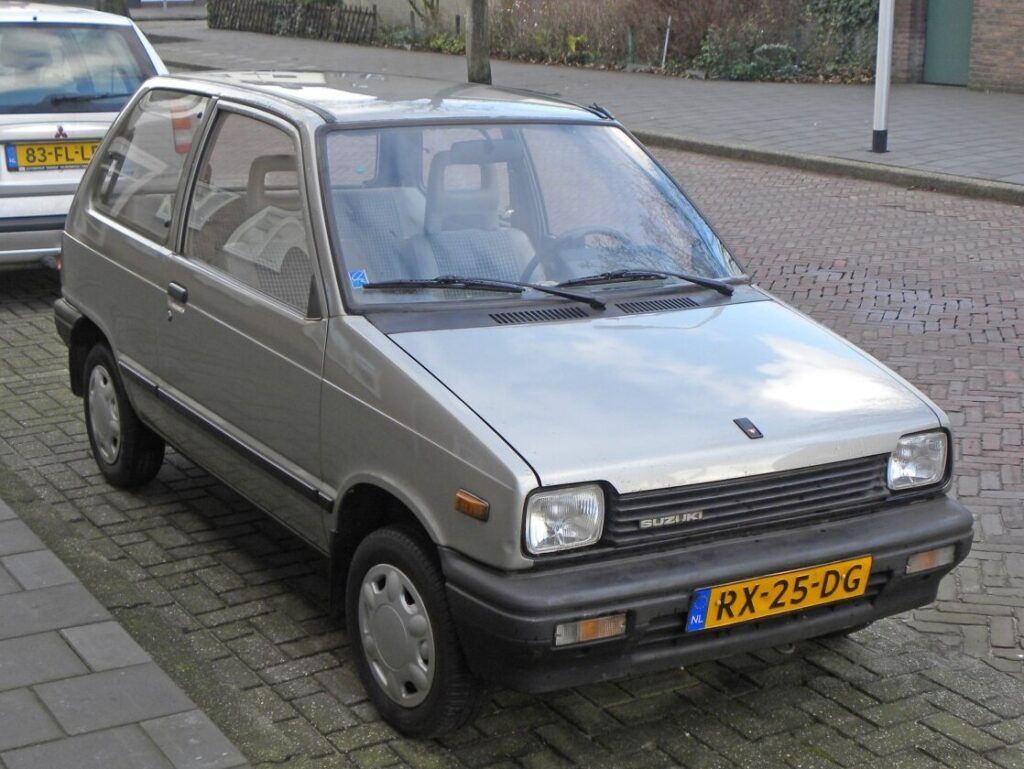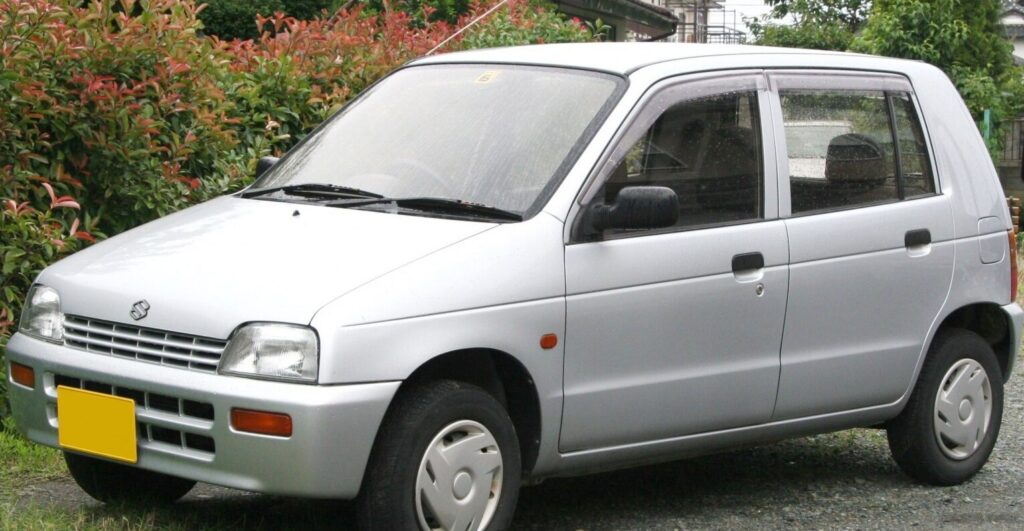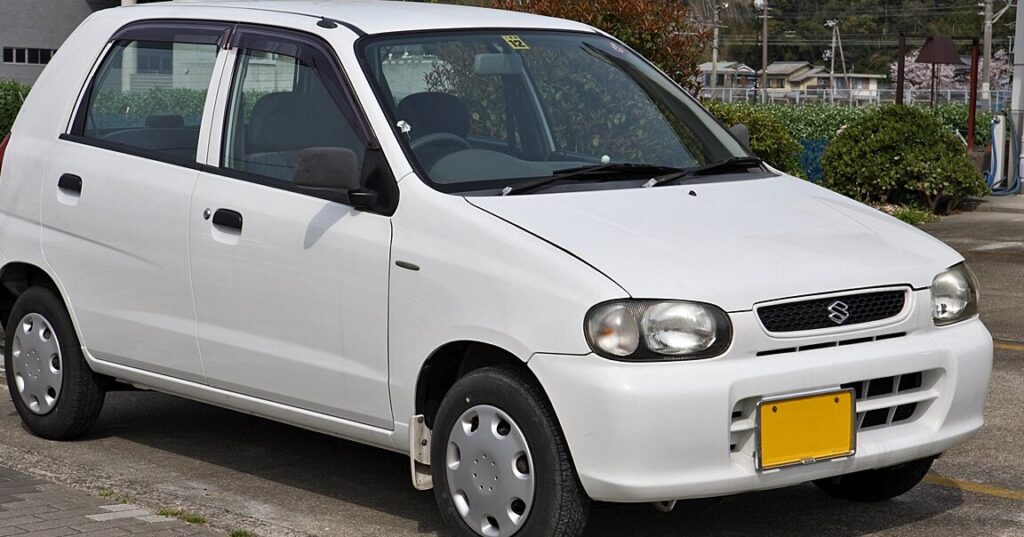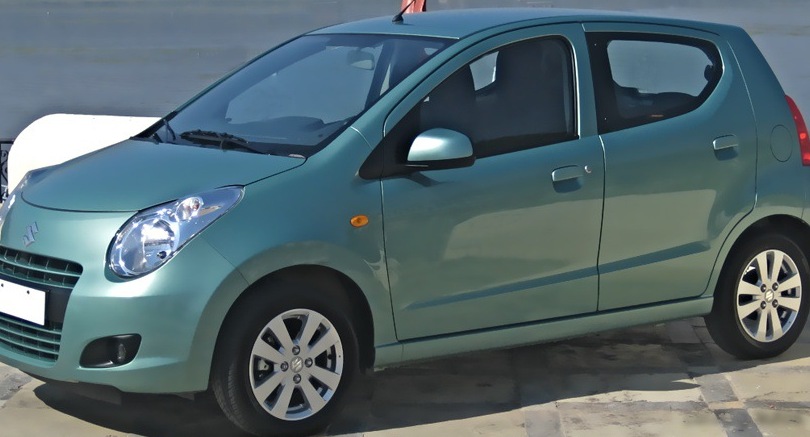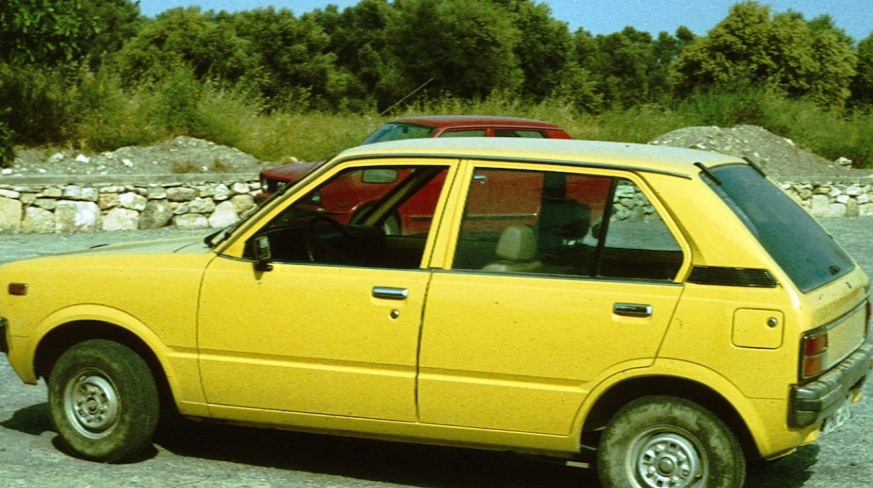
The Suzuki Alto I 0.8, producing 39 horsepower, represents the entry point into the first generation of the globally successful Alto city car. Produced between 1979 and 1984, this variant played a crucial role in establishing the Alto as an affordable and economical transportation solution, particularly in Japan and export markets. The Alto I, internally designated as the SX300/SX400 series, was a key component of Suzuki’s strategy to offer a modern, fuel-efficient alternative to larger, more expensive vehicles during a period of economic change. This specific 0.8-liter version was designed for maximum fuel economy and ease of use, targeting first-time car buyers and those seeking a practical urban runabout.
Technical Specifications
| Brand | Suzuki |
| Model | Alto |
| Generation | Alto I |
| Type (Engine) | 0.8 (39 Hp) |
| Start of production | 1979 |
| End of production | 1984 |
| Powertrain Architecture | Internal Combustion Engine |
| Body type | Hatchback |
| Seats | 5 |
| Doors | 5 |
| Fuel Type | Petrol (Gasoline) |
| Power | 39 Hp |
| Engine Model/Code | F8B |
| Engine aspiration | Naturally Aspirated |
| Engine oil capacity | 2.5 l (2.64 US qt | 2.2 UK qt) |
| Coolant capacity | 3.8 l (4.02 US qt | 3.34 UK qt) |
Powertrain & Engine Architecture
The heart of the Alto I 0.8 is the F8B engine, an 797cc, inline-three cylinder, naturally aspirated gasoline engine. This engine was a significant departure from Suzuki’s earlier two-stroke offerings, representing a move towards cleaner and more efficient four-stroke technology. The F8B utilizes a simple SOHC (Single Overhead Camshaft) valvetrain operating two valves per cylinder. Fuel delivery is managed by a carburetor, a common feature for vehicles of this era and price point, prioritizing simplicity and cost-effectiveness over the more complex fuel injection systems. The engine’s modest 39 horsepower output is achieved at approximately 6,000 rpm, with peak torque of around 58 lb-ft (78 Nm) delivered at 3,500 rpm. The engine is typically paired with a four-speed manual transmission, although a three-speed automatic transmission was also available, albeit less common. The automatic transmission was designed for smooth, if not particularly brisk, acceleration, further emphasizing the Alto’s role as a comfortable city car.
Driving Characteristics
The driving experience in the Alto I 0.8 is characterized by its light weight and nimble handling. With a curb weight of around 1,500 lbs (680 kg), the 39 horsepower engine provides adequate, though not exhilarating, performance for urban driving. Acceleration from 0 to 60 mph takes approximately 18-20 seconds. The four-speed manual transmission allows drivers to maximize the engine’s limited power, while the optional three-speed automatic prioritizes convenience. Gear ratios are relatively tall, geared towards fuel efficiency rather than outright speed. The suspension, consisting of coil springs and a simple beam axle at the rear, provides a comfortable ride on smooth surfaces, but can become somewhat unsettled on rougher roads. Steering is light and responsive, making maneuvering in tight city streets easy. Compared to potential higher-spec versions (which weren’t widely available in the initial Alto I generation), the 0.8-liter engine lacks the punch for highway cruising or carrying a full load of passengers and cargo.
Equipment & Trim Levels
The Suzuki Alto I 0.8 was typically offered in a fairly basic trim level, reflecting its position as an entry-level vehicle. Standard features generally included cloth upholstery, vinyl floor covering, and basic instrumentation consisting of a speedometer, fuel gauge, and temperature gauge. The dashboard layout is simple and functional, prioritizing practicality over aesthetics. Optional extras were limited but could include a radio, heater, and upgraded seat upholstery. The exterior featured steel wheels with hubcaps, and minimal chrome trim. The focus was on providing a functional and reliable vehicle at the lowest possible price point. Later models within the Alto I range saw some minor cosmetic upgrades, but the core philosophy of affordability remained consistent.
Chassis & Braking
The Alto I utilizes a body-on-frame construction, a common practice for small, affordable cars of the era. The front suspension consists of independent coil springs, while the rear features a rigid axle with leaf springs. Braking is typically accomplished with drum brakes on all four wheels, although some later models may have featured front disc brakes. Steering is a recirculating ball system, providing a relatively direct feel. The chassis is designed for simplicity and durability, prioritizing ease of maintenance and repair. Stabilizer bars were not typically fitted to the base 0.8-liter model, contributing to a slightly more pronounced body roll during cornering. The relatively light weight of the vehicle helps to offset the limitations of the basic braking and suspension systems.
Market Reception & Comparison
The Suzuki Alto I 0.8 was generally well-received by critics and consumers alike, particularly in its target market of first-time car buyers and those seeking an economical city car. It was praised for its fuel efficiency, reliability, and affordability. Compared to other small cars of the time, such as the Fiat 127 or the Renault 5, the Alto offered a competitive price point and a reputation for robust engineering. While its performance was modest, it was considered adequate for its intended purpose. Fuel economy was a major selling point, with the Alto I 0.8 achieving around 50-60 mpg (depending on driving conditions). Reliability was also a strong suit, with the F8B engine proving to be a durable and long-lasting unit. The automatic transmission version, while offering added convenience, did slightly reduce fuel economy and performance.
Legacy
The Suzuki Alto I 0.8 laid the foundation for the continued success of the Alto model line, which has remained in production for over four decades. The F8B engine, while superseded by more modern designs, proved to be a reliable and durable powerplant. Today, the Alto I 0.8 is a relatively rare sight on the roads, but it has gained a following among classic car enthusiasts who appreciate its simplicity, affordability, and historical significance. Parts availability can be challenging, but the engine and mechanical components are generally robust and relatively easy to repair. The Alto I 0.8 represents a pivotal moment in Suzuki’s history, marking its transition to modern, fuel-efficient automotive technology and establishing the Alto as a global icon in the small car segment. Well-maintained examples command a modest but growing value in the used car market, appealing to those seeking a nostalgic and economical driving experience.