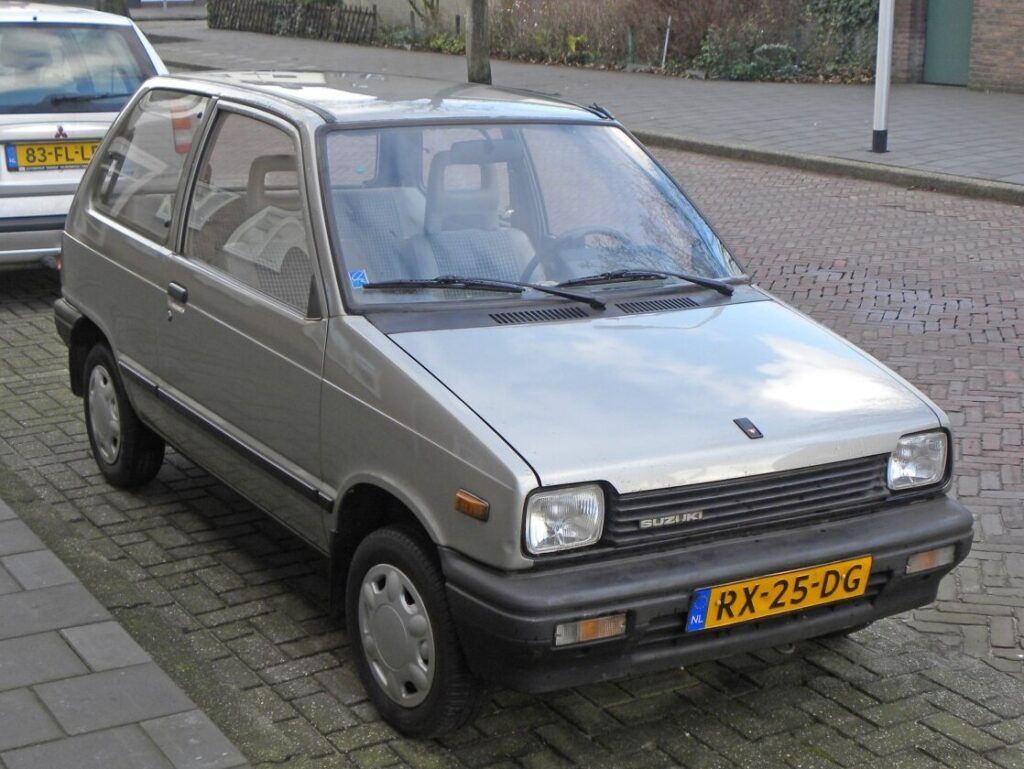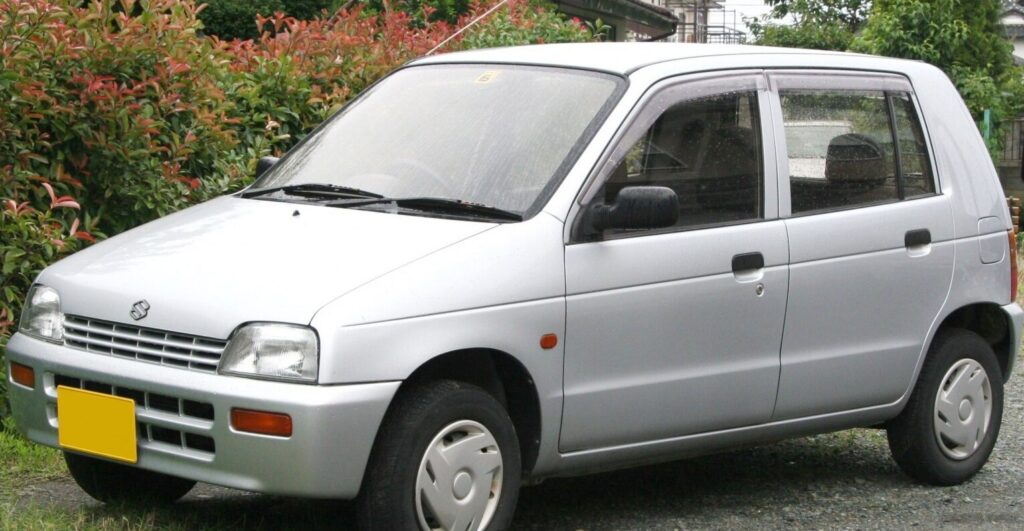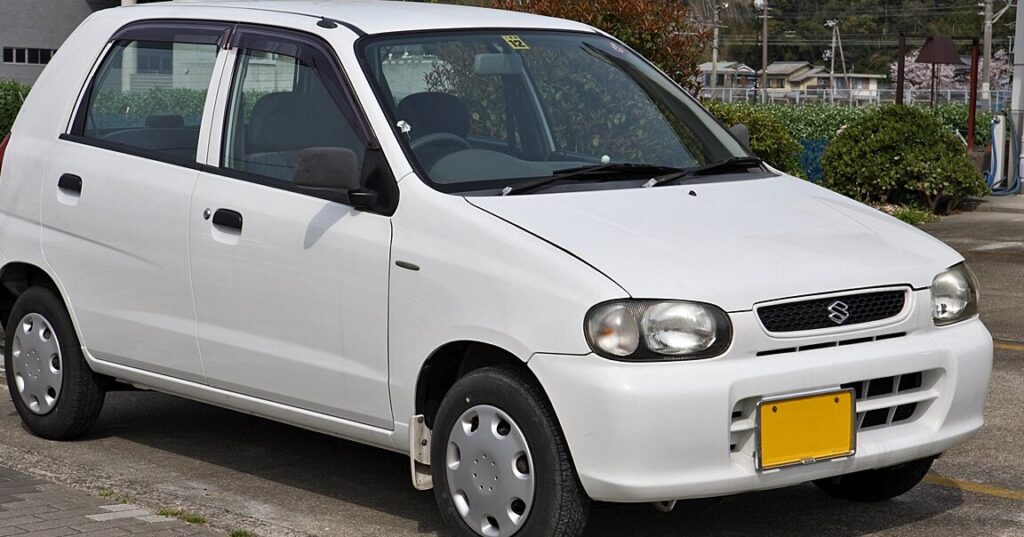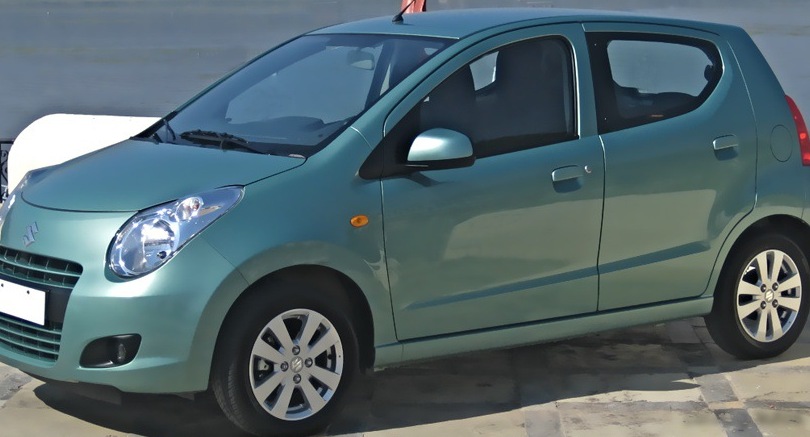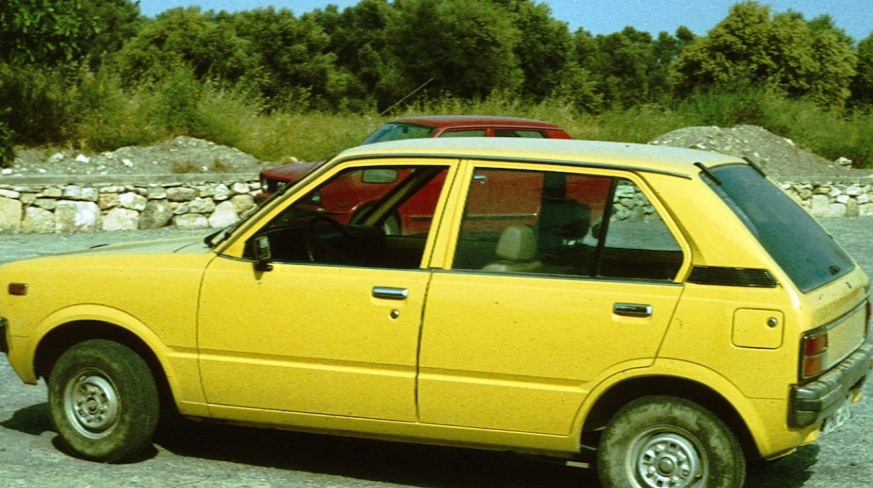
The Suzuki Alto I 0.8, designated with engine codes SS80F and SS80G, represents the initial iteration of Suzuki’s long-running Alto city car. Produced between 1979 and 1984, this model marked Suzuki’s entry into the burgeoning microcar segment, primarily targeting the Japanese domestic market (JDM) with an emphasis on affordability and fuel efficiency. While not officially sold in large numbers in the United States during its original production run, the Alto I has gained a small following among enthusiasts of classic Japanese automobiles. It was a key component in establishing Suzuki as a major player in the compact car market.
Technical Specifications
| Brand | Suzuki |
| Model | Alto |
| Generation | Alto I |
| Type (Engine) | 0.8 (SS80F, SS80G) (39 Hp) |
| Start of production | 1979 |
| End of production | 1984 |
| Powertrain Architecture | Internal Combustion engine |
| Body type | Hatchback |
| Seats | 5 |
| Doors | 5 |
| Fuel Type | Petrol (Gasoline) |
| Acceleration 0 – 100 km/h | 14 sec |
| Acceleration 0 – 62 mph | 14 sec |
| Acceleration 0 – 60 mph | 13.3 sec |
| Maximum speed | 130 km/h (80.78 mph) |
| Power | 39 Hp |
| Power per litre | 49 Hp/l |
| Engine layout | Front, Transverse |
| Engine Model/Code | F8B |
| Engine displacement | 796 cm3 (48.57 cu. in.) |
| Fuel injection system | Carburettor |
| Engine aspiration | Naturally aspirated engine |
| Engine oil capacity | 2.5 l (2.64 US qt | 2.2 UK qt) |
| Coolant capacity | 3.8 l (4.02 US qt | 3.34 UK qt) |
Powertrain & Engine Architecture
The heart of the Alto I 0.8 is the F8B engine, a 796cc (48.57 cubic inch) inline-two cylinder, naturally aspirated petrol engine. This engine, a hallmark of early Japanese kei cars, was designed for maximum efficiency and minimal weight. The F8B utilizes a single overhead camshaft (SOHC) valvetrain operating two valves per cylinder. Fuel delivery is managed by a carburetor, a common feature for vehicles of this era, prioritizing simplicity and cost-effectiveness over the precision of fuel injection. The engine’s relatively low compression ratio, typical for the time, allowed it to run on readily available low-octane gasoline. The engine is transversely mounted at the front of the vehicle, driving the front wheels. The transmission paired with the F8B in this variant is a four-speed automatic, a relatively uncommon option in the microcar segment at the time, and aimed at providing ease of use for urban drivers.
Driving Characteristics
The Alto I 0.8 with the automatic transmission delivers modest performance, reflecting its focus on economy rather than outright speed. Acceleration from 0 to 60 mph takes approximately 13.3 seconds, and top speed is around 81 mph. The four-speed automatic transmission is geared for fuel efficiency, resulting in relatively slow acceleration and a tendency for the engine to rev up under hard acceleration. The gear ratios are spaced to keep the engine within its optimal operating range during normal driving conditions. Compared to the available five-speed manual transmission, the automatic version sacrifices some responsiveness and fuel economy, but offers a more relaxed driving experience, particularly in congested city traffic. The lightweight nature of the Alto I helps to mitigate the engine’s limited power, making it feel reasonably nimble in urban environments.
Equipment & Trim Levels
The Suzuki Alto I 0.8, particularly in its base trim, was sparsely equipped, reflecting its position as an affordable entry-level vehicle. Standard features typically included cloth upholstery, basic instrumentation (speedometer, fuel gauge), and a two-spoke steering wheel. The interior was functional and utilitarian, prioritizing space efficiency over luxury. Optional extras, depending on the market and year, could include a radio, upgraded seat fabrics, and occasionally, a rear window defogger. The trim level for the automatic variant was generally positioned as a step up from the most basic manual transmission models, offering a degree of convenience not found in the base specification. The exterior styling was simple and boxy, typical of cars from the late 1970s and early 1980s.
Chassis & Braking
The Alto I utilizes a simple, yet effective chassis design. It features a front MacPherson strut suspension and a rear trailing arm suspension. The suspension setup is tuned for comfort and ride quality, prioritizing a smooth ride over sporty handling. Braking is accomplished via drum brakes on all four wheels, a cost-saving measure common in this class of vehicle. Steering is rack and pinion, providing reasonably precise control. The Alto I’s lightweight construction contributes to its nimble handling characteristics. Stabilizer bars were not typically fitted to the base models, further emphasizing the focus on comfort and affordability.
Market Reception & Comparison
The Suzuki Alto I 0.8 was well-received in Japan as an affordable and practical city car. Critics praised its fuel efficiency and ease of driving, particularly in congested urban areas. However, the automatic transmission version was sometimes criticized for its sluggish performance compared to the manual transmission models. Compared to other kei cars of the time, such as the Honda N360 and the Daihatsu Mira, the Alto I offered a competitive combination of price, fuel economy, and practicality. The automatic transmission variant appealed to a broader demographic, including drivers who preferred the convenience of an automatic gearbox. Fuel economy was a significant selling point, averaging around 50-60 mpg in real-world driving conditions.
Legacy
The Suzuki Alto I laid the foundation for the continued success of the Alto model line, which remains in production today in various forms. The F8B engine, while relatively simple by modern standards, proved to be a reliable and durable powerplant. The Alto I 0.8 automatic, while not a performance car, offered a practical and affordable transportation solution for many drivers. In the used car market, these models are increasingly sought after by collectors of classic Japanese automobiles. Parts availability can be a challenge, but the relatively simple mechanical design makes them relatively easy to maintain for experienced mechanics. The Alto I represents a significant chapter in Suzuki’s history and a testament to the company’s commitment to producing affordable and reliable vehicles.