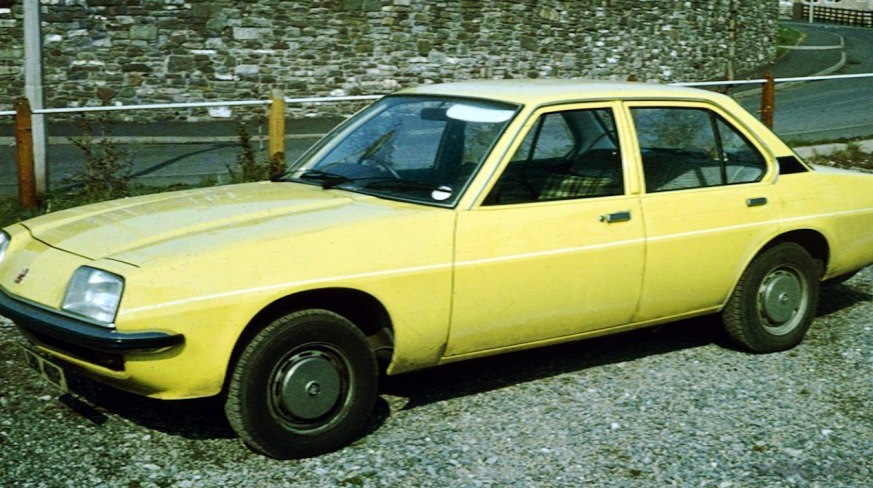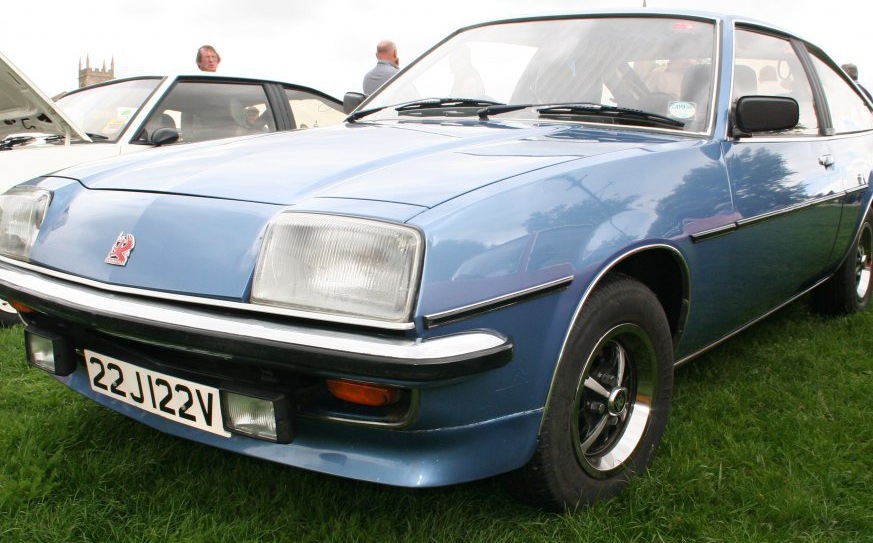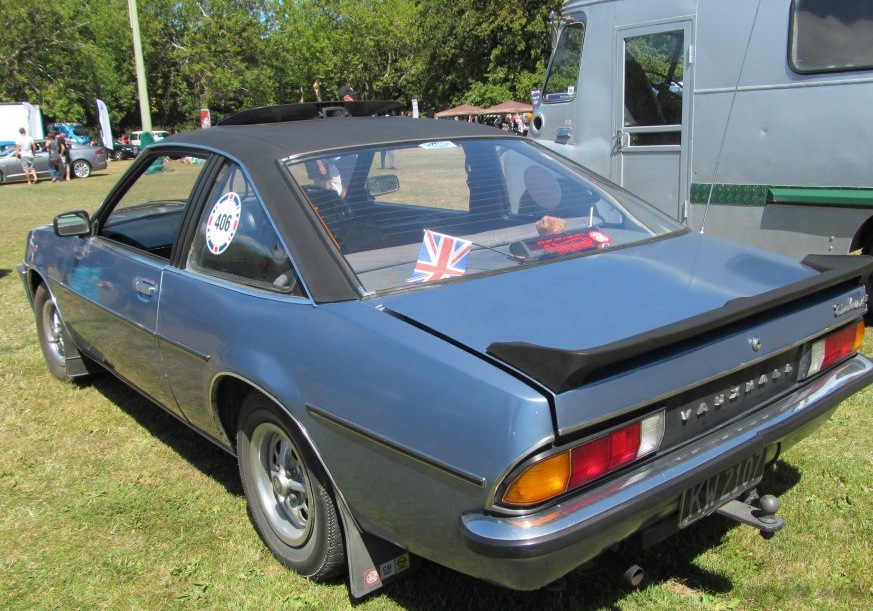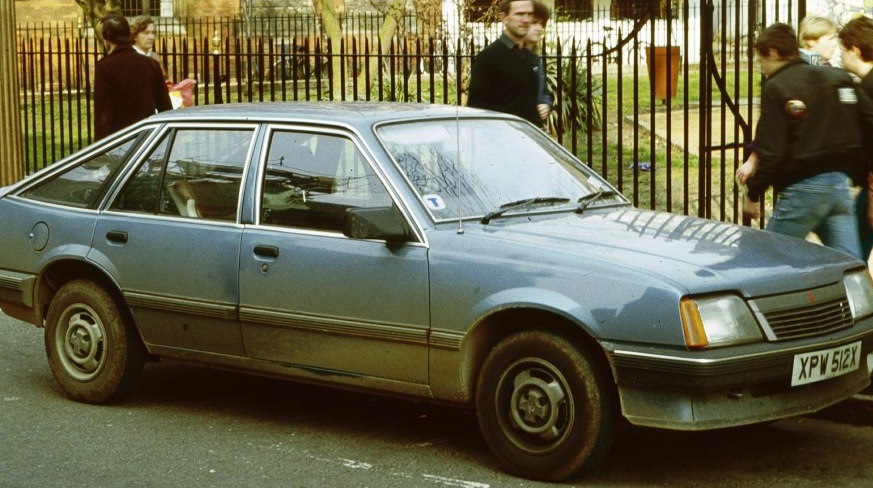
The Vauxhall Cavalier Mk II CC 2000i, produced between 1986 and 1988, represented a notable advancement for Vauxhall within the competitive mid-size family car segment of the United Kingdom. As part of the Mk II Cavalier range (designated CC), this 2000i variant balanced performance and practicality, positioning itself as a more upscale offering within the lineup. Built on the GM J-platform – shared with vehicles like the Opel Ascona and Isuzu Asso – it aimed to deliver a comfortable and relatively sporty driving experience for British families. The “CC” designation indicated a more contemporary, rounded design compared to the boxier styling of the earlier Mk I Cavalier.
Technical Specifications
| Brand | Vauxhall |
| Model | Cavalier |
| Generation | Cavalier Mk II CC |
| Type (Engine) | 2000i (122 Hp) |
| Start of production | 1986 |
| End of production | 1988 |
| Powertrain Architecture | Internal Combustion Engine |
| Body type | Hatchback |
| Seats | 5 |
| Doors | 5 |
| Fuel Type | Petrol (Gasoline) |
| Power | 122 Hp |
| Engine aspiration | Naturally aspirated engine |
| Engine oil capacity | 3 l (3.17 US qt | 2.64 UK qt) |
| Coolant capacity | 7.5 l (7.93 US qt | 6.6 UK qt) |
| Drivetrain | Front wheel drive |
Powertrain & Engine Architecture
The core of the Cavalier Mk II CC 2000i was the 1998cc (2.0L) four-cylinder petrol engine, known as the 20NHE. This engine featured a cast iron block and an aluminum cylinder head. It employed a Bosch LE-Jetronic fuel injection system, a relatively advanced setup for the time, improving fuel efficiency and reducing emissions compared to older carbureted designs. The engine utilized a single overhead camshaft (SOHC) valvetrain with two valves per cylinder. The 20NHE produced 122 horsepower at 5200 rpm and approximately 138 lb-ft of torque at 3600 rpm. It was typically paired with a four-speed automatic transmission, although a five-speed manual gearbox was also offered. The automatic transmission, sourced from General Motors, was designed for smooth operation and ease of use, appealing to drivers who prioritized comfort over outright performance. The transmission’s design focused on providing a relaxed driving experience, with emphasis on smooth shifts rather than rapid acceleration.
Driving Characteristics
The 2000i automatic provided a comfortable, though not particularly sporty, driving experience. While the automatic transmission was smooth, it did diminish some of the engine’s potential. Acceleration from 0 to 60 mph took around 10.5 seconds, respectable for the era but slower than the manual transmission versions. The gear ratios were optimized for fuel economy and relaxed cruising, often resulting in the engine feeling strained during hard acceleration. Power delivery was relatively linear, with usable torque available from mid-range revs. Compared to the base models with smaller engines, the 2000i offered a noticeable power increase, making it more suitable for highway driving and carrying passengers. However, when compared to the more powerful Cavalier SRi or later turbocharged models, the 2000i felt somewhat underpowered. The automatic transmission’s programming prioritized comfort, sometimes resulting in delayed downshifts when quick acceleration was needed.
Equipment & Trim Levels
The 2000i trim level occupied the mid-range position within the Cavalier Mk II CC lineup. Standard equipment included central locking, electric front windows, a basic stereo system, and cloth upholstery. The interior was generally functional and well-built for its price point, though it lacked the more luxurious features found in higher-spec models. Optional extras included a sunroof, upgraded stereo systems, and metallic paint finishes. The dashboard layout was straightforward, with clearly labeled controls and a relatively simple instrument cluster. Interior color schemes typically featured shades of grey or blue, reflecting the conservative preferences of the target market. The 2000i aimed to provide a balance between affordability and comfort, offering a step up from the base models without the expense of the top-of-the-line trims.
Chassis & Braking
The Cavalier Mk II CC employed a MacPherson strut front suspension and a twist-beam rear suspension. This setup provided a reasonable compromise between ride comfort and handling. The front suspension incorporated an anti-roll bar to minimize body roll during cornering. Braking was initially provided by disc brakes on the front wheels and drum brakes on the rear. Later models often featured disc brakes on all four wheels, improving stopping performance. The steering was rack and pinion, offering precise control and reasonable feedback. The chassis was relatively lightweight, contributing to the car’s agility, but it lacked the rigidity of more modern designs. The suspension tuning prioritized ride comfort, resulting in a softer ride quality compared to sportier models.
Market Reception & Comparison
The Cavalier Mk II CC 2000i was generally well-received by the British motoring press. Critics praised its comfortable ride, spacious interior, and relatively refined engine. However, some reviewers noted the automatic transmission’s tendency to hunt for gears and the car’s somewhat unremarkable styling. Compared to competitors like the Ford Sierra and Austin Montego, the Cavalier offered a more modern and sophisticated package. The 2000i’s fuel economy was reasonable for the time, averaging around 28-32 mpg. Reliability was generally good, although the LE-Jetronic fuel injection system occasionally required maintenance. The manual transmission versions of the 2000i were favored by driving enthusiasts for their improved performance and driver engagement. The 2000i represented a solid all-around choice for families seeking a comfortable and reliable mid-size car.
Legacy
The Vauxhall Cavalier Mk II CC 2000i, while not a particularly rare or highly sought-after classic today, remains a popular choice among classic car enthusiasts. The 20NHE engine is known for its durability and relative simplicity, making it relatively easy to maintain. Parts availability is generally good, although some specific components may be challenging to locate. Well-maintained examples of the 2000i can still provide reliable and affordable transportation. The car represents a significant milestone in Vauxhall’s history, marking a shift towards more modern and sophisticated designs. In the used car market, prices for good condition examples typically range from £2,000 to £6,000, depending on mileage, condition, and originality. The automatic transmission, while not the preferred choice for performance enthusiasts, continues to appeal to drivers seeking a comfortable and easy-to-drive classic car. Its blend of practicality, comfort, and affordability has ensured its continued presence on British roads and in the hearts of many car enthusiasts.