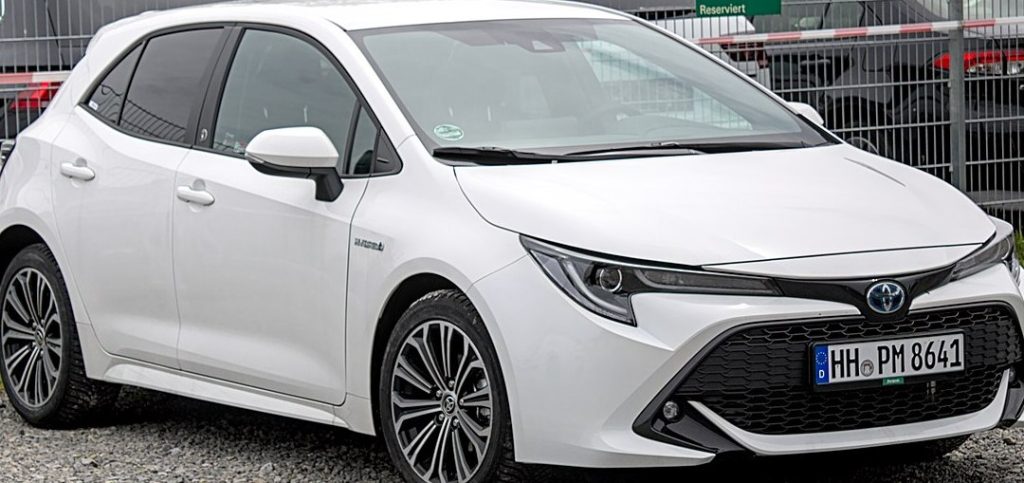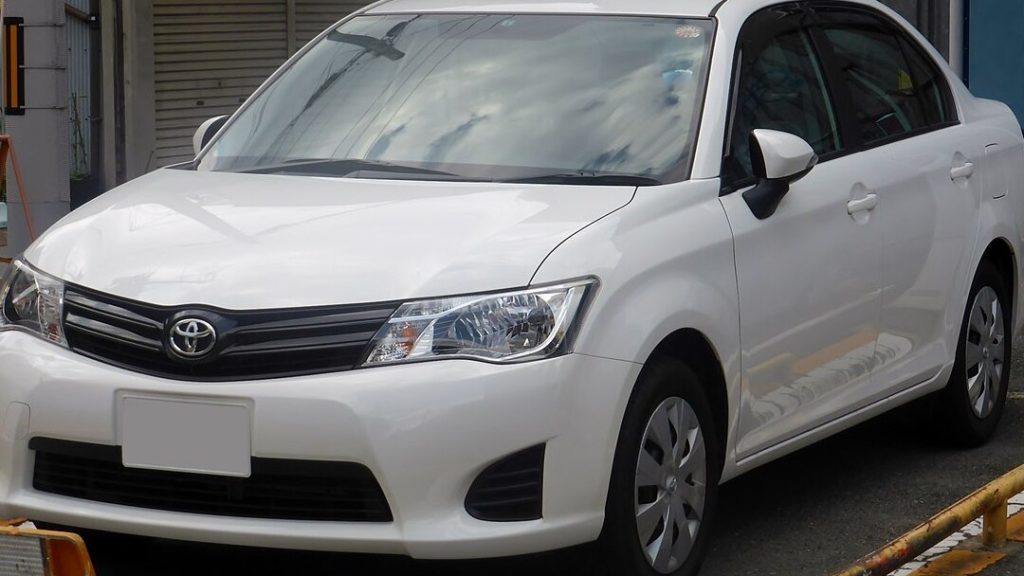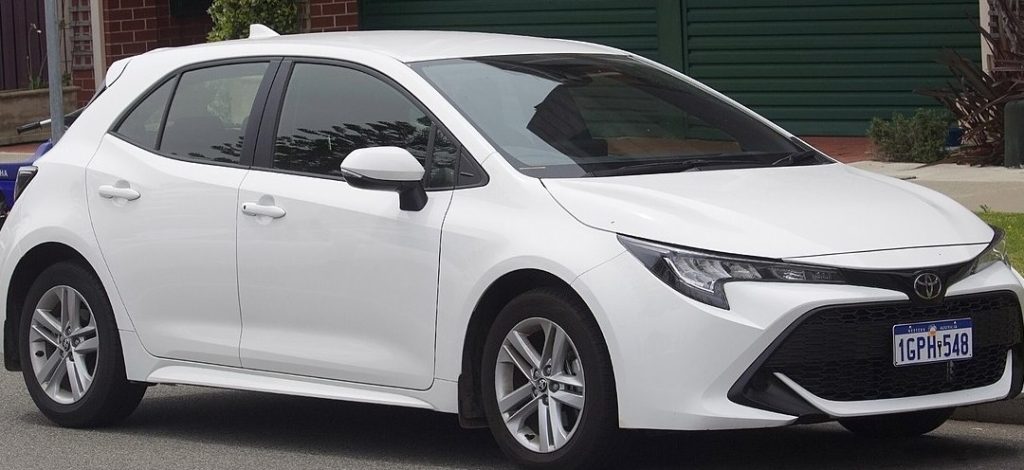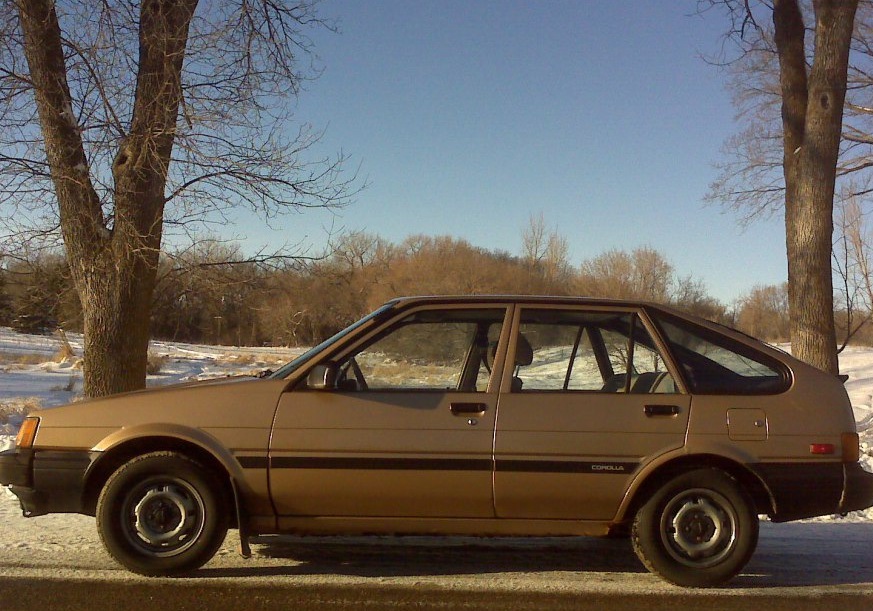
The Toyota Corolla Hatch V (E80) 1.8 D, designated CE80, represents a diesel-powered variant of the fifth-generation Corolla hatchback, produced between 1983 and 1987. This model was primarily aimed at European markets where diesel engines were gaining popularity due to their fuel efficiency and lower running costs. Positioned as an economy-focused option within the E80 Corolla range, the 1.8 D offered a practical and affordable transportation solution, though it sacrificed performance compared to its gasoline-powered siblings. It played a significant role in establishing the Corolla’s reputation for reliability and durability in a new segment of the European car market.
Technical Specifications
| Brand | Toyota |
| Model | Corolla |
| Generation | Corolla Hatch V (E80) |
| Type (Engine) | 1.8 D (CE80) (64 Hp) |
| Start of production | 1983 |
| End of production | 1987 |
| Powertrain Architecture | Internal Combustion engine |
| Body type | Hatchback |
| Seats | 5 |
| Doors | 5 |
| Fuel Type | Diesel |
| Power | 64 Hp |
| Engine Model/Code | 1C-L |
| Engine aspiration | Naturally aspirated engine |
| Engine oil capacity | 4.3 l (4.54 US qt | 3.78 UK qt) |
| Coolant capacity | 7 l (7.4 US qt | 6.16 UK qt) |
Powertrain & Engine Architecture
The CE80 1.8 D Corolla utilized the 1C-L diesel engine, a 1.8-liter (1779 cc) inline-four cylinder engine. This engine was a relatively simple design, featuring indirect injection and a cast iron block. The 1C-L was known for its robustness and longevity, characteristics highly valued in the European market. Unlike many contemporary diesel engines, the 1C-L employed a naturally aspirated configuration, contributing to its modest power output of 64 horsepower (47 kW) and approximately 98 lb-ft (133 Nm) of torque. The engine featured a two-valve per cylinder (SOHC) valvetrain and a mechanical fuel injection pump. Transmission options were limited, with a four-speed manual gearbox being the most common pairing, though a three-speed automatic transmission was also available, albeit less frequently specified. The automatic transmission was a conventional torque converter type, prioritizing smooth operation over outright performance.
Driving Characteristics
The driving experience in the Corolla 1.8 D was defined by its practicality and fuel economy rather than sporty performance. Acceleration was leisurely, with a 0-60 mph time estimated to be well over 15 seconds. The engine’s torque peak was relatively low in the rev range, providing adequate pulling power for everyday driving, but requiring frequent downshifts when overtaking or climbing hills. The four-speed manual transmission offered a reasonable level of control, while the three-speed automatic, while convenient, further dulled the car’s responsiveness. The gear ratios were optimized for fuel efficiency, resulting in a relatively high cruising speed at lower engine revolutions. Compared to the gasoline-powered Corolla variants, the 1.8 D felt significantly slower, but offered a noticeable improvement in fuel consumption. The suspension, tuned for comfort, provided a reasonably compliant ride, although it could feel somewhat wallowy when pushed hard.
Equipment & Trim Levels
The 1.8 D Corolla typically occupied a base or mid-range position within the E80 Corolla lineup. Standard equipment generally included cloth upholstery, basic instrumentation (speedometer, fuel gauge, temperature gauge), and a simple two-speaker audio system. Power steering was not standard on all models, and air conditioning was often an optional extra. Trim levels varied depending on the specific market, but generally offered incremental upgrades in terms of interior appointments and exterior detailing. Higher trim levels might include features such as upgraded seat fabrics, a more comprehensive instrument cluster, and alloy wheels. The interior design was functional and straightforward, prioritizing durability and ease of use over luxury. The dashboard layout was typical of early 1980s Japanese cars, with a clear and uncluttered design.
Chassis & Braking
The E80 Corolla 1.8 D utilized a conventional front-engine, rear-wheel-drive layout. The suspension consisted of MacPherson struts at the front and a torsion beam axle at the rear. The torsion beam rear suspension was a cost-effective solution that provided adequate ride comfort for everyday use. Braking systems varied depending on the market and trim level. Base models typically featured drum brakes on all four wheels, while higher-spec models were often equipped with front disc brakes and rear drum brakes. Power-assisted braking was not standard on all models. Steering was typically unassisted, providing a direct but somewhat heavy feel. The chassis was relatively lightweight, contributing to the car’s fuel efficiency, but also limiting its handling capabilities. Stabilizer bars were often omitted on base models to further reduce cost.
Market Reception & Comparison
The Toyota Corolla 1.8 D was generally well-received in European markets as a practical and economical hatchback. Critics praised its fuel efficiency, reliability, and low running costs. However, its modest performance was often cited as a drawback. Compared to other diesel-powered hatchbacks of the era, such as the Volkswagen Golf Diesel, the Corolla 1.8 D offered a competitive level of fuel economy and reliability, but lacked the Golf’s more refined driving experience. Against its gasoline-powered Corolla siblings, the 1.8 D offered significantly better fuel economy, but at the expense of performance and refinement. The 1.8 D appealed to buyers who prioritized economy and practicality over driving excitement, such as fleet operators and private buyers seeking a low-cost transportation solution.
Legacy
The Toyota Corolla E80 1.8 D, while not the most powerful or exciting variant of the fifth-generation Corolla, established a strong reputation for reliability and durability. The 1C-L diesel engine proved to be exceptionally long-lasting, and many examples remain on the road today, often with high mileage. In the used car market, these Corollas are valued for their simplicity, affordability, and ease of maintenance. The 1.8 D variant represents a significant chapter in the Corolla’s history, demonstrating Toyota’s ability to adapt to changing market demands and offer a compelling diesel-powered option to European buyers. Its enduring reliability continues to make it a popular choice for those seeking a classic, economical, and dependable hatchback.