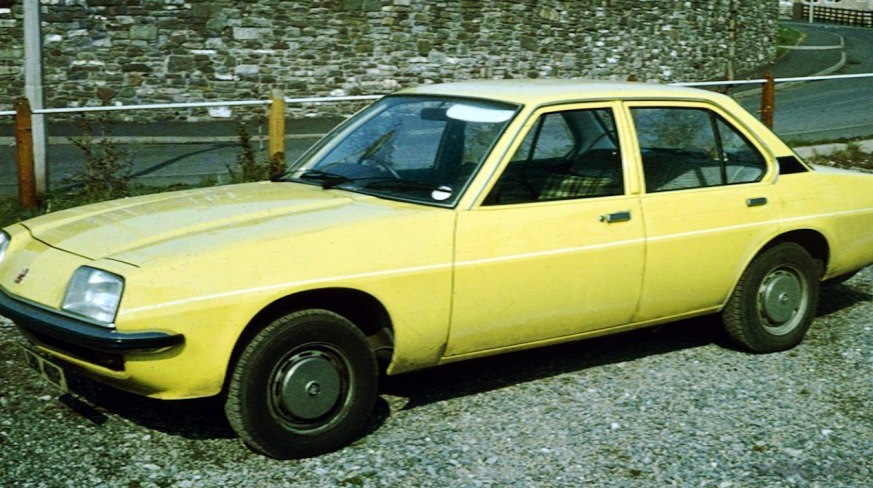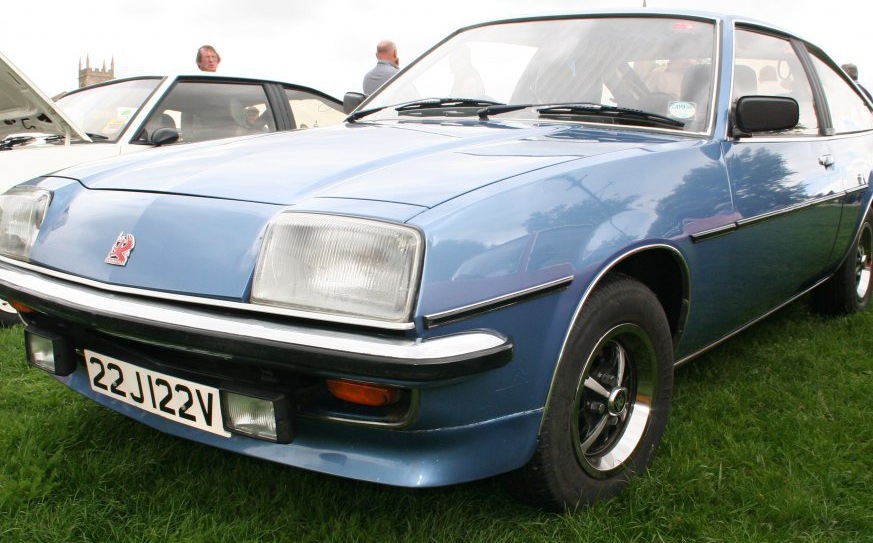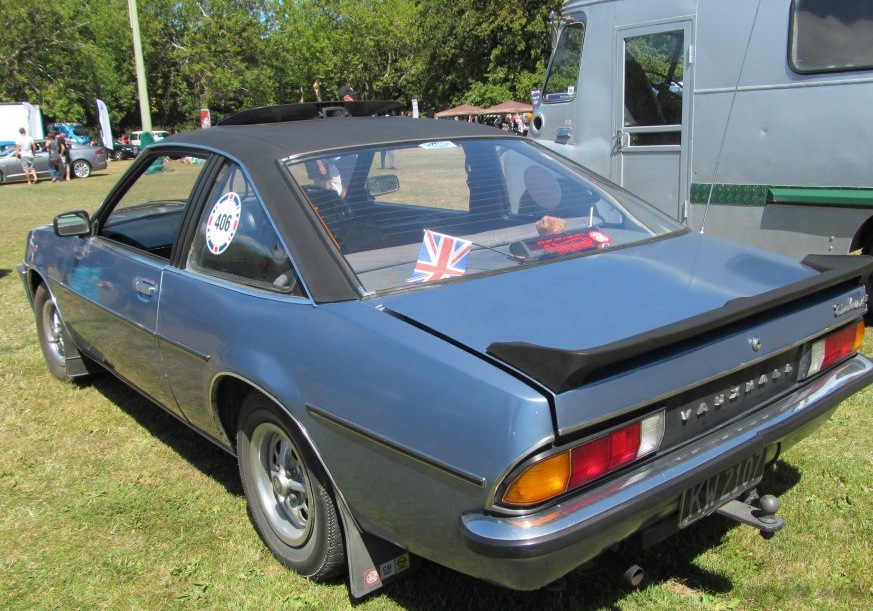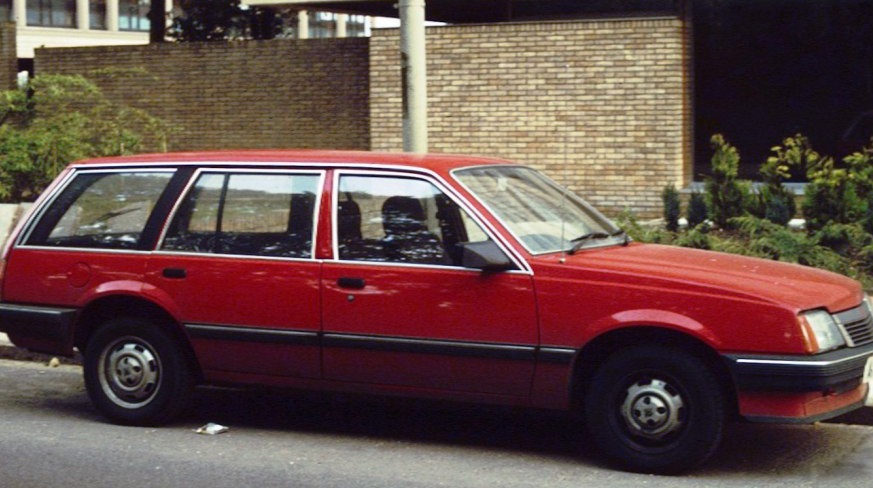
The Vauxhall Cavalier Mk II Estate 1.3 S, produced between 1981 and 1988, represented an entry-level offering within the broader Cavalier Mk II range. This variant, characterized by its 1.3-liter engine producing 75 horsepower, was aimed at buyers seeking an affordable and practical family vehicle. The Mk II Cavalier, built on the GM J-platform, was Vauxhall’s competitor in the mid-size family car segment, a market dominated by the Ford Cortina and Austin/Rover models in the United Kingdom. The Estate (station wagon) body style offered increased cargo capacity, making it a popular choice for families and those requiring versatile transportation.
Technical Specifications
| Brand | Vauxhall |
| Model | Cavalier |
| Generation | Cavalier Mk II Estate |
| Type (Engine) | 1.3 S (75 Hp) |
| Start of Production | 1981 |
| End of Production | 1988 |
| Powertrain Architecture | Internal Combustion Engine |
| Body Type | Station Wagon (Estate) |
| Seats | 5 |
| Doors | 5 |
| Fuel Type | Petrol (Gasoline) |
| Power | 75 Hp |
| Engine Model/Code | 13S, 13SC |
| Engine Aspiration | Naturally Aspirated |
| Engine Oil Capacity | 2.5 l (2.64 US qt | 2.2 UK qt) |
| Coolant Capacity | 6.5 l (6.87 US qt | 5.72 UK qt) |
| Drivetrain | Front Wheel Drive |
Powertrain & Engine Architecture
The heart of the Cavalier Mk II Estate 1.3 S was the 13S or 13SC engine, a 1296cc inline-four cylinder petrol engine. This engine was a relatively simple design, featuring a single overhead camshaft (SOHC) and two valves per cylinder. Fuel delivery was managed by a single, two-barrel carburetor – a common setup for vehicles of this era. The 13S engine was known for its durability, but its performance was modest. The ‘SC’ designation typically indicated a slightly modified version, often with minor adjustments to the carburetor or ignition timing. The engine’s relatively low compression ratio (around 8.8:1) contributed to its ability to run on lower octane fuel, which was a consideration for cost-conscious buyers. The engine was paired with a three-speed automatic transmission, a popular choice for drivers prioritizing ease of use over outright performance. This transmission was a traditional hydraulic automatic, lacking the electronic controls found in later designs.
Driving Characteristics
The 1.3 S automatic combination resulted in a vehicle that prioritized fuel economy and comfortable cruising over spirited driving. Acceleration was leisurely, with 0-60 mph times estimated to be around 14-16 seconds. The three-speed automatic transmission, while smooth, had relatively wide gear ratios, meaning the engine often felt strained during acceleration or when climbing hills. Compared to the manual transmission versions of the 1.3, the automatic suffered a noticeable performance penalty. Higher-spec Cavalier models, equipped with larger engines like the 1.6 or 2.0-liter units, offered significantly more power and a more engaging driving experience. The suspension, tuned for comfort, provided a reasonably smooth ride, but handling was somewhat imprecise, particularly when compared to more modern vehicles. The front-wheel-drive layout offered predictable handling characteristics in most conditions, but lacked the all-weather capability of a four-wheel-drive system.
Equipment & Trim Levels
The 1.3 S Estate trim level was considered the entry point to the Cavalier Mk II Estate range. Standard equipment typically included cloth upholstery, basic instrumentation (speedometer, fuel gauge, temperature gauge), and a four-speaker stereo system. Power steering was often an optional extra, as was air conditioning. The interior was functional and durable, but lacked the refinement of higher-spec models. Exterior features included steel wheels with hubcaps, black plastic trim, and relatively simple lighting. Optional extras included upgraded stereo systems, sunroofs, and metallic paint finishes. The dashboard layout was straightforward, with clearly labeled controls and a focus on practicality. The Estate body style offered a generous cargo area, making it well-suited for families and those needing to transport large items.
Chassis & Braking
The Cavalier Mk II Estate utilized a MacPherson strut front suspension and a twist-beam rear suspension. This setup provided a reasonable balance between ride comfort and handling. The front suspension incorporated coil springs and a stabilizer bar to reduce body roll. The rear suspension, while simple, was effective at providing a comfortable ride. Braking was initially provided by disc brakes on the front wheels and drum brakes on the rear wheels. Later models saw the introduction of rear disc brakes on some trim levels, but the 1.3 S typically retained the drum brake setup. The braking system was adequate for normal driving conditions, but lacked the stopping power of more modern vehicles. Steering was unassisted on base models, requiring more effort at low speeds, but power steering was a popular option.
Market Reception & Comparison
The Cavalier Mk II Estate 1.3 S was generally well-received as an affordable and practical family vehicle. Critics praised its spacious interior, comfortable ride, and reasonable fuel economy. However, the 1.3-liter engine was often criticized for its lack of power, particularly when paired with the automatic transmission. Compared to the 1.6-liter and 2.0-liter versions of the Cavalier, the 1.3 S offered significantly less performance. The 1.6-liter engine provided a noticeable improvement in acceleration and overall drivability, while the 2.0-liter engine offered a more refined and powerful driving experience. In terms of reliability, the 1.3 S engine was generally considered to be robust and dependable, but the automatic transmission could be prone to wear and tear if not properly maintained. Fuel economy was a strong point, with the 1.3 S achieving around 30-35 mpg in mixed driving conditions.
Legacy
The Vauxhall Cavalier Mk II Estate 1.3 S, while not the most powerful or exciting version of the Cavalier, remains a popular choice among classic car enthusiasts and those seeking an affordable and reliable vintage vehicle. The 1.3-liter engine, while simple, is relatively easy to maintain and repair. Parts availability is generally good, although some components may be becoming increasingly scarce. Today, these cars are often found in the hands of collectors or as affordable transportation for those seeking a classic British motoring experience. The Cavalier Mk II Estate, in all its variants, played a significant role in the British automotive landscape of the 1980s, offering a practical and affordable alternative to more expensive rivals. The 1.3 S, in particular, represents a snapshot of a time when fuel economy and affordability were key considerations for family car buyers.