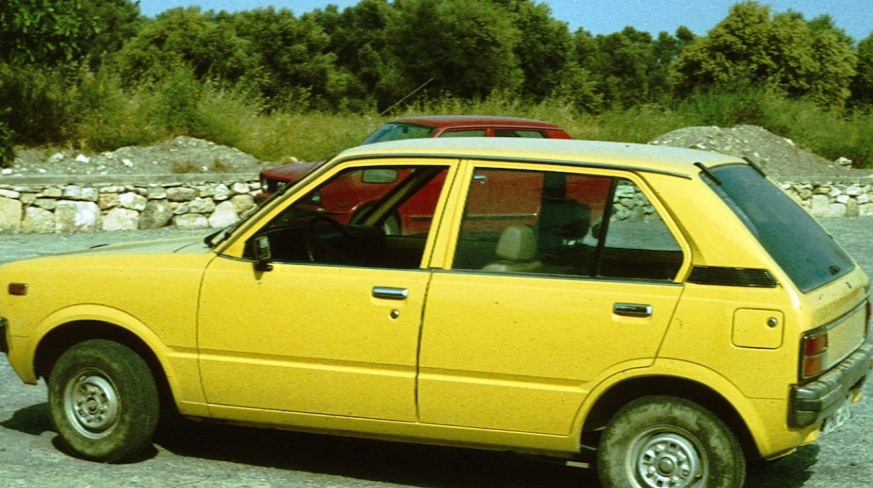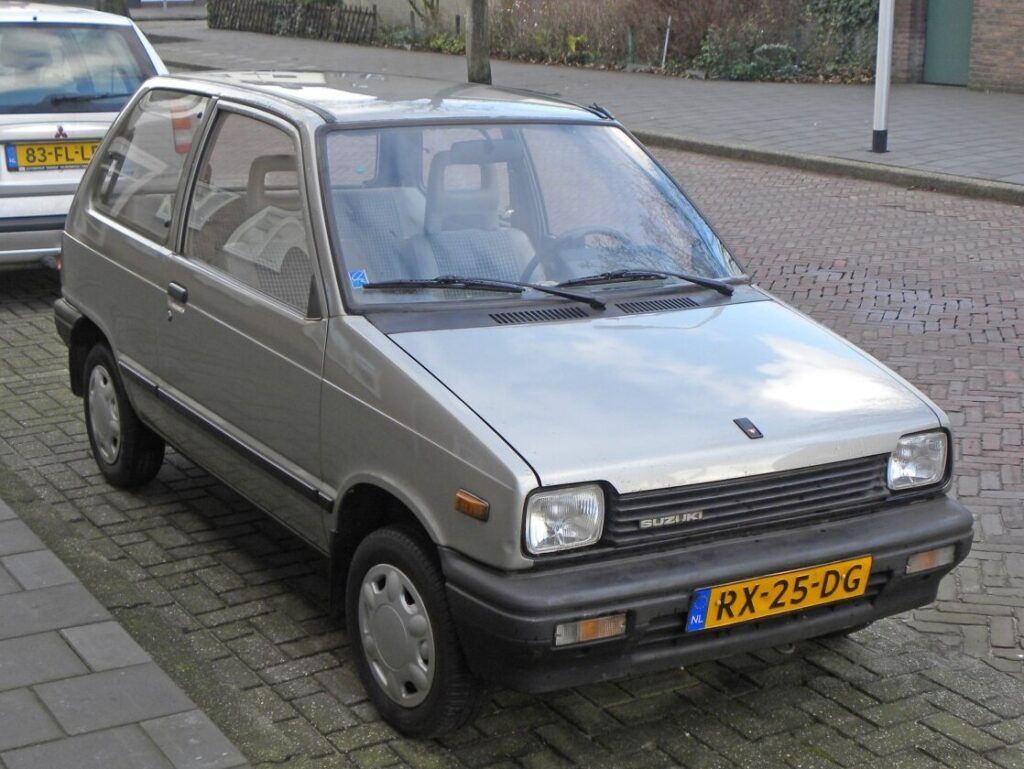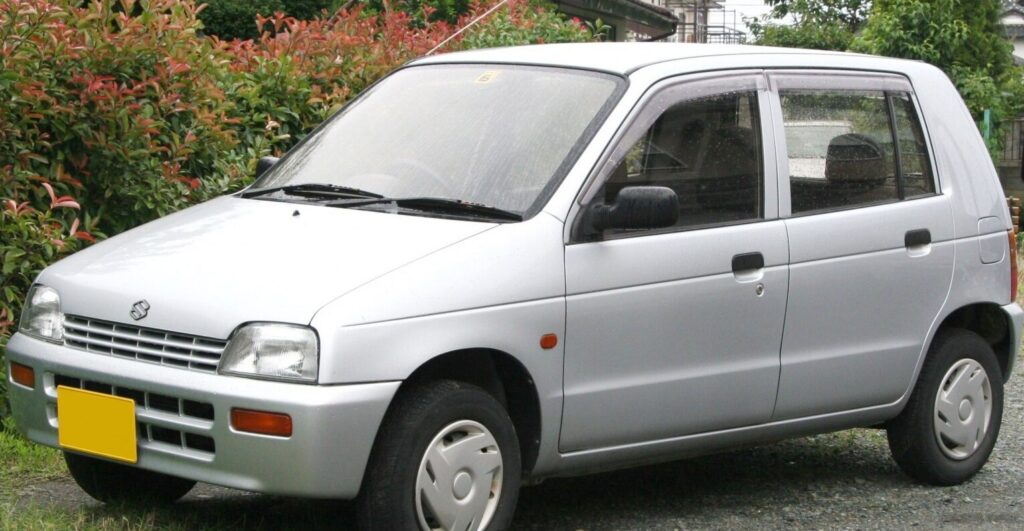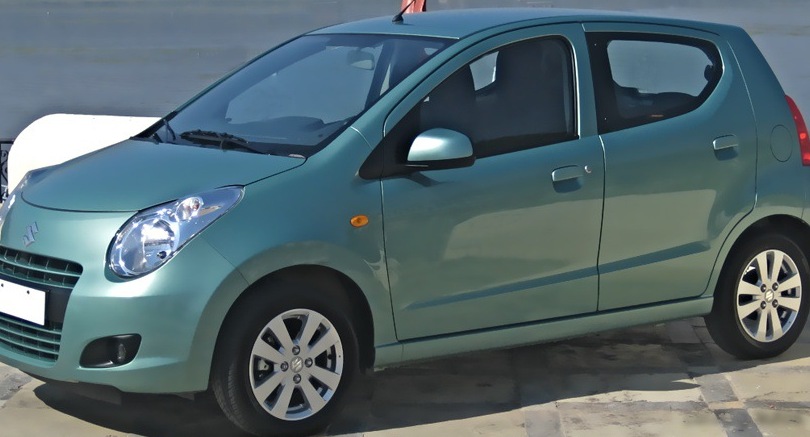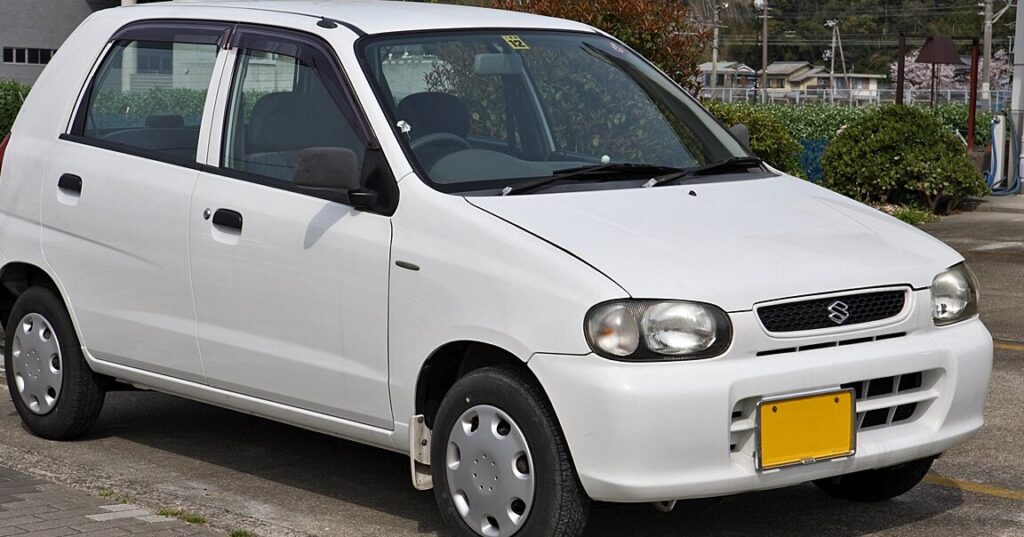
The Suzuki Alto V 0.7 i 12V, producing 54 horsepower, was a key model in Suzuki’s lineup from 1998 to 2004. Positioned as an entry-level city car, it represented a significant offering in the highly competitive European and Asian microcar segment. This variant, characterized by its small displacement engine and relatively simple mechanicals, aimed to provide affordable and economical transportation. It was available in both 3-door and 5-door body styles, catering to a range of consumer needs. The Alto V fell within the sixth generation of the Alto family, known internally as the HA23 series, and was a popular choice for first-time car buyers, commuters, and those seeking a practical and fuel-efficient vehicle.
Technical Specifications
| Brand | Suzuki |
| Model | Alto |
| Generation | Alto V |
| Type (Engine) | 0.7 i 12V (54 Hp) |
| Start of production | 1998 |
| End of production | 2004 |
| Powertrain Architecture | Internal Combustion engine |
| Body type | Hatchback |
| Seats | 5 |
| Doors | 3-5 |
| Fuel Type | Petrol (Gasoline) |
| Weight-to-power ratio | 12 kg/Hp |
| Power | 54 Hp @ 6500 rpm |
| Power per litre | 82.1 Hp/l |
| Torque | 61 Nm @ 4000 rpm (44.99 lb.-ft. @ 4000 rpm) |
| Engine layout | Front, Transverse |
| Engine Model/Code | K6A |
| Engine displacement | 658 cm3 (40.15 cu. in.) |
| Number of cylinders | 3 |
| Engine configuration | Inline |
| Cylinder Bore | 68 mm (2.68 in.) |
| Piston Stroke | 60.4 mm (2.38 in.) |
| Compression ratio | 10.5:1 |
| Number of valves per cylinder | 4 |
| Fuel injection system | Multi-port manifold injection |
| Engine aspiration | Naturally aspirated engine |
| Valvetrain | DOHC |
| Engine oil capacity | 3 l (3.17 US qt | 2.64 UK qt) |
| Kerb Weight | 650 kg (1433 lbs.) |
| Max. weight | 870 kg (1918.02 lbs.) |
| Max load | 220 kg (485.02 lbs.) |
| Fuel tank capacity | 30 l (7.93 US gal | 6.6 UK gal) |
| Length | 3395 mm (133.66 in.) |
| Width | 1475 mm (58.07 in.) |
| Height | 1450 mm (57.09 in.) |
| Wheelbase | 2360 mm (92.91 in.) |
| Front track | 1295 mm (50.98 in.) |
| Rear track | 1290 mm (50.79 in.) |
| Drivetrain Architecture | Front wheel drive |
| Number of gears | 5 |
| Gearbox type | Manual transmission |
| Front suspension | Coil spring |
| Rear suspension | Coil spring |
| Front brakes | Disc |
| Rear brakes | Drum |
| Assisting systems | ABS (Anti-lock braking system) |
| Steering type | Steering rack and pinion |
| Power steering | Hydraulic Steering |
| Tires size | 155/65 R13 |
| Wheel rims size | 13 |
Powertrain & Engine Architecture
The heart of the Alto V 0.7 i 12V is the K6A engine, a 658cc inline-three cylinder petrol engine. This engine utilizes a multi-point fuel injection system, providing a reasonable balance between fuel efficiency and performance for its size. The engine features a double overhead camshaft (DOHC) valvetrain, operating four valves per cylinder, which helps to optimize breathing and improve power output. The K6A engine is known for its simplicity and durability, making it relatively inexpensive to maintain. The 5-speed manual transmission was the standard offering, designed to maximize the engine’s limited torque output. The transmission’s gear ratios were optimized for city driving, prioritizing acceleration from low speeds over high-speed cruising.
Driving Characteristics
The 54 horsepower output of the Alto V 0.7 i 12V translates to modest, but adequate, performance for urban environments. Acceleration is best described as leisurely, with a 0-60 mph time estimated to be around 15-17 seconds. The engine feels strained at higher speeds, and highway driving requires frequent downshifting to maintain momentum. However, the light weight of the vehicle (approximately 650 kg) helps to mitigate the lack of power. The 5-speed manual transmission allows drivers to keep the engine in its optimal power band, but it requires frequent shifting. Compared to potential higher-spec variants (which weren’t commonly available in this configuration), the 0.7 i 12V offered a more economical and less sporty driving experience.
Equipment & Trim Levels
The Alto V 0.7 i 12V was typically equipped with basic, but functional, features. Standard equipment generally included power steering, central locking, and an AM/FM radio. Interior upholstery was typically a durable cloth material. Optional extras, depending on the market, could include air conditioning, electric windows, and upgraded audio systems. The trim level was generally quite basic, focusing on providing essential transportation at a low cost. The dashboard layout was simple and functional, prioritizing ease of use over aesthetic appeal.
Chassis & Braking
The Alto V utilizes a simple chassis design, featuring coil spring suspension on both the front and rear axles. The front suspension employs MacPherson struts, while the rear utilizes a torsion beam setup. This configuration provides a comfortable, if somewhat basic, ride quality. Braking duties are handled by disc brakes on the front wheels and drum brakes on the rear. An Anti-lock Braking System (ABS) was often included as standard equipment, enhancing safety. The steering system is a rack and pinion setup, providing reasonably precise steering feel.
Market Reception & Comparison
The Suzuki Alto V 0.7 i 12V was generally well-received by critics as an affordable and economical city car. Its fuel efficiency was a major selling point, and its compact size made it easy to maneuver in congested urban areas. However, its limited power and basic interior were often criticized. Compared to other microcars of the time, such as the Fiat Panda or the Renault Twingo, the Alto V offered a competitive price point and a reputation for reliability. The 0.7-liter engine provided better fuel economy than larger engine options, but at the expense of performance. Maintenance costs were generally low, making it an attractive option for budget-conscious buyers.
Legacy
The Suzuki Alto V 0.7 i 12V has proven to be a remarkably durable and reliable vehicle. Many examples are still on the road today, testament to the quality of its engineering and construction. In the used car market, these Altos are often sought after as inexpensive and dependable transportation. The K6A engine is known for its longevity, and parts availability remains relatively good. While not a performance icon, the Alto V 0.7 i 12V holds a significant place in automotive history as a practical and affordable solution for urban mobility, particularly in Europe and Asia.