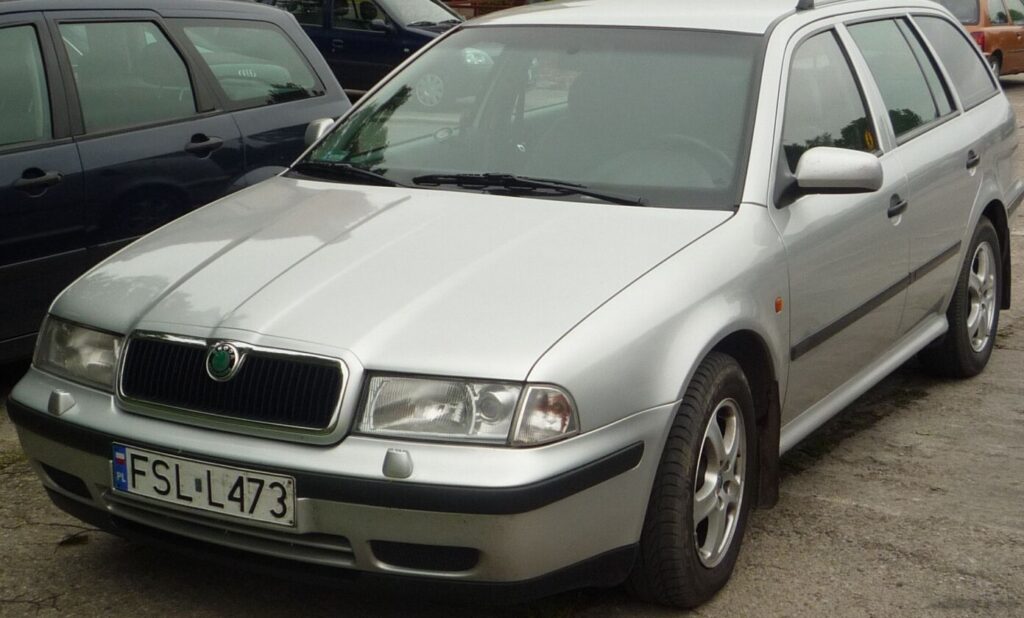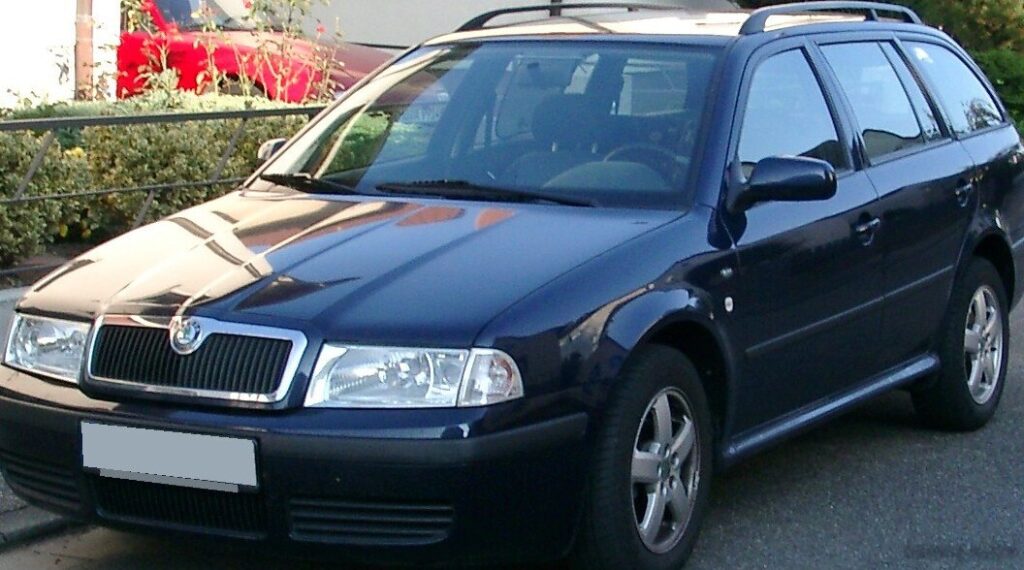
The Skoda Octavia I Combi Tour, specifically the 1.4 i 16V variant produced from 2000 to 2010, represented an entry point into the popular Octavia estate (wagon) range. Introduced as part of the facelifted first generation (designated the “Tour” model), this version aimed to provide affordable, practical transportation for families and individuals seeking a spacious and economical vehicle. Positioned below the more powerful 1.6, 1.8, and 2.0 liter engine options, as well as the diesel variants, the 1.4 16V offered a balance of fuel efficiency and acceptable performance, primarily targeting budget-conscious buyers. It was a key model in Skoda’s expansion across Europe, building on the brand’s reputation for value and reliability.
Technical Specifications
| Brand | Skoda |
| Model | Octavia |
| Generation | Octavia I Combi Tour (facelift 2000) |
| Type (Engine) | 1.4 i 16V (75 Hp) |
| Start of production | August, 2000 |
| End of production | December, 2010 |
| Powertrain Architecture | Internal Combustion engine |
| Body type | Station wagon (estate) |
| Seats | 5 |
| Doors | 5 |
| Fuel consumption (urban) | 9 l/100 km (26.1 US mpg, 31.4 UK mpg, 11.1 km/l) |
| Fuel consumption (extra urban) | 5.4 l/100 km (43.6 US mpg, 52.3 UK mpg, 18.5 km/l) |
| Fuel Type | Petrol (Gasoline) |
| Acceleration 0 – 100 km/h | 15.5 sec |
| Acceleration 0 – 62 mph | 15.5 sec |
| Acceleration 0 – 60 mph | 14.7 sec |
| Maximum speed | 171 km/h (106.25 mph) |
| Weight-to-power ratio | 15.9 kg/Hp (63 Hp/tonne) |
| Weight-to-torque ratio | 9.4 kg/Nm (105.9 Nm/tonne) |
| Power | 75 Hp @ 5000 rpm |
| Power per litre | 54 Hp/l |
| Torque | 126 Nm @ 3800 rpm (92.93 lb.-ft. @ 3800 rpm) |
| Engine layout | Front, Transverse |
| Engine Model/Code | BCA |
| Engine displacement | 1390 cm3 (84.82 cu. in.) |
| Number of cylinders | 4 |
| Engine configuration | Inline |
| Cylinder Bore | 76.5 mm (3.01 in.) |
| Piston Stroke | 75.6 mm (2.98 in.) |
| Compression ratio | 10.5:1 |
| Number of valves per cylinder | 4 |
| Fuel injection system | Multi-port manifold injection |
| Engine aspiration | Naturally aspirated engine |
| Valvetrain | DOHC |
| Engine oil capacity | 3.2 l (3.38 US qt, 2.82 UK qt) |
| Coolant capacity | 5.5 l (5.81 US qt, 4.84 UK qt) |
| Kerb Weight | 1190 kg (2623.5 lbs.) |
| Max. weight | 1770 kg (3902.18 lbs.) |
| Max load | 580 kg (1278.68 lbs.) |
| Trunk (boot) space – minimum | 548 l (19.35 cu. ft.) |
| Trunk (boot) space – maximum | 1512 l (53.4 cu. ft.) |
| Fuel tank capacity | 55 l (14.53 US gal, 12.1 UK gal) |
| Length | 4513 mm (177.68 in.) |
| Width | 1731 mm (68.15 in.) |
| Height | 1457 mm (57.36 in.) |
| Wheelbase | 2512 mm (98.9 in.) |
| Front track | 1513 mm (59.57 in.) |
| Rear track | 1494 mm (58.82 in.) |
| Drivetrain Architecture | Front wheel drive |
| Number of gears | 5 |
| Gearbox type | Manual transmission |
| Front suspension | Wishbone |
| Rear suspension | Several levers and rods |
| Front brakes | Ventilated discs |
| Rear brakes | Drum |
| Assisting systems | ABS (Anti-lock braking system) |
| Steering type | Steering rack and pinion |
| Power steering | Hydraulic |
| Tires size | 175/80 R14 |
Powertrain & Engine Architecture
The 1.4 i 16V engine, identified by the code BCA, is a naturally aspirated, inline-four cylinder petrol engine. It features a double overhead camshaft (DOHC) valvetrain operating four valves per cylinder, contributing to improved breathing and efficiency compared to older two-valve designs. Fuel delivery is managed by a multi-port fuel injection system, providing precise fuel metering for optimal combustion. The engine’s 1390cc displacement produces 75 horsepower at 5000 rpm and 126 Nm (93 lb-ft) of torque at 3800 rpm. This engine was part of the EA827 engine family, a common platform used across various Volkswagen Group vehicles. The five-speed manual transmission was the standard offering, chosen for its simplicity and contribution to fuel economy. While an automatic transmission was available as an option, it was less common and often criticized for its sluggish performance with this engine.
Driving Characteristics
The 1.4 i 16V Octavia Combi Tour offered modest performance. Acceleration from 0-60 mph took around 14.7 seconds, and top speed was limited to 106 mph. The engine felt strained when fully loaded or attempting brisk acceleration, requiring frequent downshifts to maintain momentum. Compared to the 1.8 and 2.0 liter versions, the 1.4 lacked the punch for confident overtaking maneuvers. The five-speed manual transmission helped to keep the engine in its optimal power band, but the automatic option significantly dulled responsiveness. The gear ratios were geared towards economy rather than outright speed. Handling was typical for a family estate car – safe and predictable, but not particularly engaging.
Equipment & Trim Levels
The 1.4 16V Octavia Combi Tour typically came with a fairly basic level of equipment. Standard features included central locking, power steering, front airbags, and an adjustable steering column. Interior upholstery was usually cloth, and the dashboard featured a functional, if somewhat plain, design. Optional extras included air conditioning, alloy wheels, a radio/CD player, and electric windows. Higher trim levels, such as the “Classic” or “Comfort” variants, added more features as standard, but the 1.4 16V was generally positioned as the entry-level model, prioritizing affordability over luxury.
Chassis & Braking
The Octavia Combi Tour’s chassis utilized a MacPherson strut front suspension and a multi-link rear suspension, providing a comfortable ride quality. Front brakes were ventilated discs, offering adequate stopping power, while the rear brakes were drums, a cost-saving measure common in this segment. Anti-lock Braking System (ABS) was standard, enhancing safety. The suspension was tuned for comfort rather than sporty handling, and stabilizer bars were relatively thin compared to higher-performance models. The weight distribution was reasonably balanced, contributing to predictable handling characteristics.
Market Reception & Comparison
The 1.4 i 16V Octavia Combi Tour received mixed reviews. Critics praised its spacious interior, large boot capacity, and fuel efficiency. However, the engine’s lack of power was a common complaint, particularly when compared to the more potent alternatives in the Octavia range. The 1.6 liter engine offered a noticeable performance improvement for a relatively small price increase, making it a popular alternative. The diesel variants, while more expensive, provided superior fuel economy and torque. Despite its shortcomings, the 1.4 16V proved to be a popular choice for buyers seeking a practical and affordable estate car.
Legacy
The BCA engine, while not known for being particularly exciting, proved to be relatively reliable. Common issues included occasional oil leaks and sensor failures, but these were generally inexpensive to repair. The 1.4 i 16V Octavia Combi Tour remains a relatively affordable option on the used car market. Its simplicity and robust construction make it a good choice for those seeking a dependable and practical vehicle. However, potential buyers should be aware of the engine’s limited power and the potential for age-related wear and tear. The model helped solidify Skoda’s reputation for offering excellent value for money, paving the way for the brand’s continued success in the European and global markets.