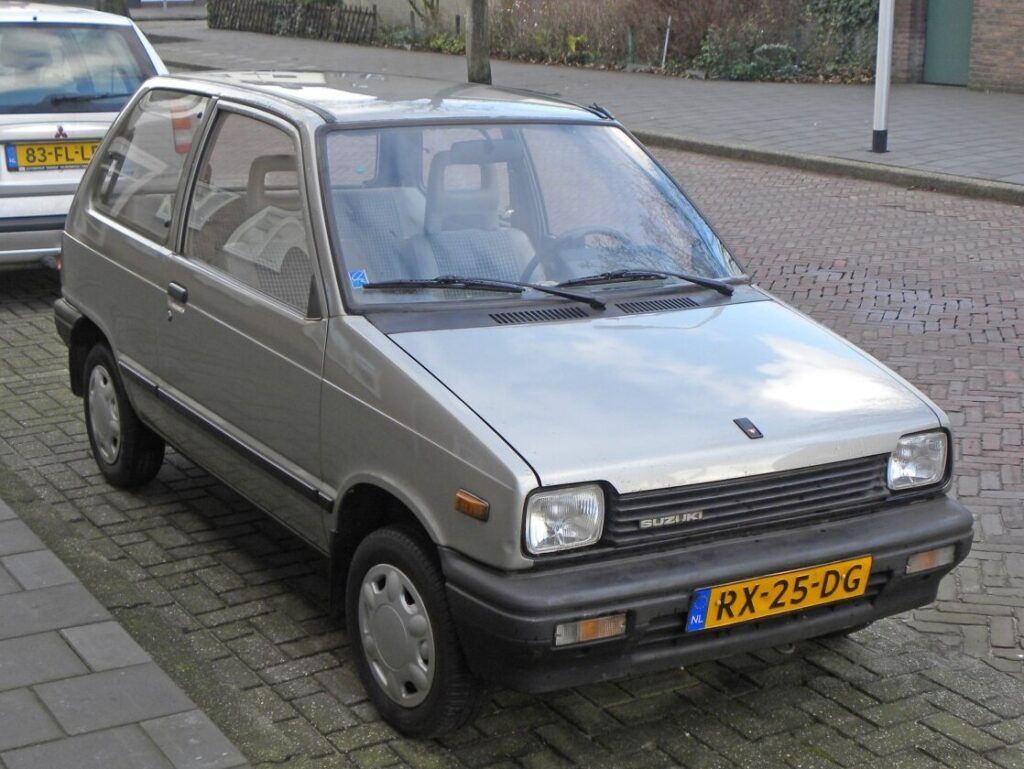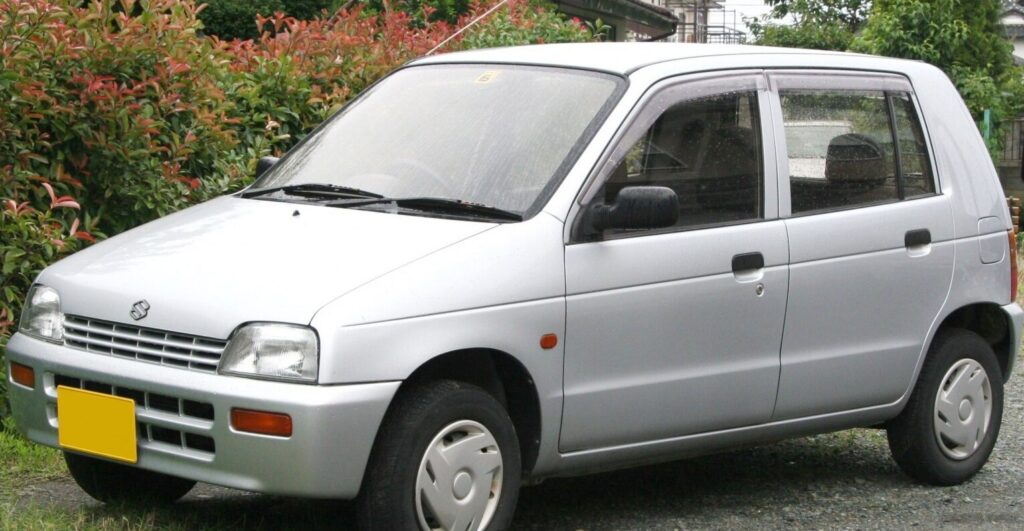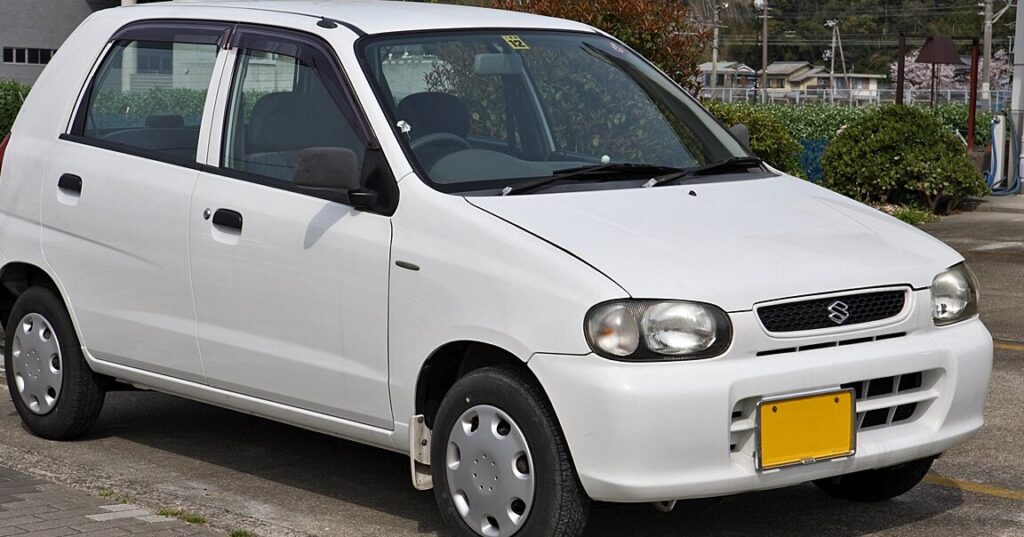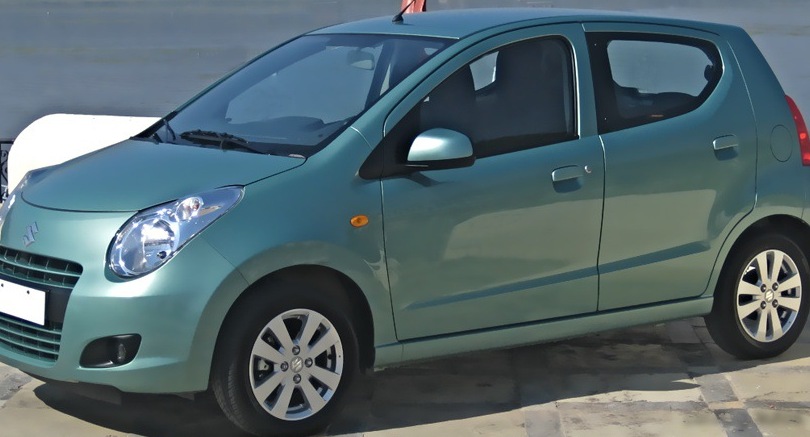
The Suzuki Alto VII 1.0, producing 68 horsepower, was a key offering in the seventh generation of Suzuki’s long-running Alto city car series. Produced from 2009 to 2014, this variant primarily served the European and Asian markets as an affordable and economical entry point into personal transportation. Positioned as the base model within the Alto VII range, it catered to buyers prioritizing fuel efficiency and low running costs over outright performance. The Alto VII, built on the platform code A3, represented a significant redesign of the Alto, offering increased interior space and improved safety features compared to its predecessor.
Technical Specifications
| Brand | Suzuki |
| Model | Alto |
| Generation | Alto VII |
| Type (Engine) | 1.0 (68 Hp) |
| Start of production | 2009 |
| End of production | 2014 |
| Powertrain Architecture | Internal Combustion engine |
| Body type | Hatchback |
| Seats | 4 |
| Doors | 5 |
| Fuel consumption (urban) | 5.5 l/100 km (42.8 US mpg) |
| Fuel consumption (extra urban) | 3.8 l/100 km (61.9 US mpg) |
| Fuel consumption (combined) | 4.4 l/100 km (53.5 US mpg) |
| Fuel Type | Petrol (Gasoline) |
| Acceleration 0 – 100 km/h | 14 sec |
| Acceleration 0 – 62 mph | 14 sec |
| Acceleration 0 – 60 mph | 13.3 sec |
| Maximum speed | 155 km/h (96.31 mph) |
| Emission standard | Euro 5 |
| Weight-to-power ratio | 13 kg/Hp |
| Weight-to-torque ratio | 9.8 kg/Nm |
| Power | 68 Hp @ 6000 rpm |
| Torque | 90 Nm @ 4800 rpm (66.38 lb.-ft. @ 4800 rpm) |
| Engine layout | Front, Transverse |
| Engine Model/Code | K10B |
| Engine displacement | 996 cm3 (60.78 cu. in.) |
| Number of cylinders | 3 |
| Engine configuration | Inline |
| Cylinder Bore | 73 mm (2.87 in.) |
| Piston Stroke | 79.4 mm (3.13 in.) |
| Compression ratio | 11:1 |
| Number of valves per cylinder | 4 |
| Fuel injection system | Multi-port manifold injection |
| Engine aspiration | Naturally aspirated |
| Engine oil capacity | 2.9 l (3.06 US qt | 2.55 UK qt) |
| Coolant capacity | 4.3 l (4.54 US qt | 3.78 UK qt) |
| Kerb Weight | 885 kg (1951.09 lbs.) |
| Max. weight | 1250 kg (2755.78 lbs.) |
| Max load | 365 kg (804.69 lbs.) |
| Trunk (boot) space – minimum | 367 l (12.96 cu. ft.) |
| Trunk (boot) space – maximum | 774 l (27.33 cu. ft.) |
| Fuel tank capacity | 35 l (9.25 US gal | 7.7 UK gal) |
| Length | 3500 mm (137.8 in.) |
| Width | 1600 mm (62.99 in.) |
| Height | 1470 mm (57.87 in.) |
| Wheelbase | 2360 mm (92.91 in.) |
| Front track | 1405 mm (55.31 in.) |
| Rear track | 1400 mm (55.12 in.) |
| Minimum turning circle | 9 m (29.53 ft.) |
| Drivetrain Architecture | Front wheel drive |
| Number of gears | 5 gears, manual transmission |
| Front suspension | Independent type McPherson |
| Rear suspension | Torsion |
| Front brakes | Ventilated discs |
| Rear brakes | Drum |
| Assisting systems | ABS (Anti-lock braking system) |
| Steering type | Steering rack and pinion |
| Tires size | 155/65 R14 |
| Wheel rims size | 14 |
Powertrain & Engine Architecture
The heart of the Alto VII 1.0 was the K10B engine, a 996cc inline-three cylinder petrol engine. This engine, a staple in many small Suzuki and Maruti models, was known for its simplicity and reliability. The K10B featured a multi-point fuel injection system, contributing to its relatively clean emissions and acceptable fuel economy. The engine utilized a single overhead camshaft (SOHC) with four valves per cylinder, a configuration that helped optimize breathing and power delivery for its size. The 68 horsepower output was achieved at 6000 rpm, while peak torque of 90 Nm (66.38 lb-ft) arrived at 4800 rpm. The engine was transversely mounted, driving the front wheels. The standard transmission was a five-speed manual gearbox, designed for smooth and efficient operation. While an automated manual transmission (AMT) was offered in some markets, the 68 hp version was primarily sold with the manual.
Driving Characteristics
The 1.0-liter Alto VII, with its 68 horsepower and five-speed manual transmission, offered modest but adequate performance for urban driving. Acceleration from 0 to 60 mph took around 13.3 seconds, and top speed was limited to 96.31 mph. The engine felt somewhat strained at higher speeds, and overtaking required careful planning. The gear ratios were tuned for economy, with a relatively tall fifth gear to maximize fuel efficiency on the highway. Compared to potential higher-output variants (which weren’t widely available in many markets), the 1.0L felt noticeably less powerful, but it provided a more relaxed and forgiving driving experience. The light weight of the vehicle (approximately 1951 lbs) helped mitigate the lack of horsepower, making it feel nimble in city traffic.
Equipment & Trim Levels
The base-level Alto VII 1.0 was typically equipped with basic but essential features. Standard equipment included power steering, central locking, electric front windows, and an ABS anti-lock braking system. Interior upholstery was typically a durable cloth material. Air conditioning was often an optional extra, as were features like alloy wheels and a CD player. The dashboard layout was functional and straightforward, prioritizing ease of use over aesthetic flair. Higher trim levels, if available, added features like body-colored door handles and mirrors, upgraded interior trim, and potentially a more sophisticated audio system.
Chassis & Braking
The Alto VII utilized a simple but effective chassis design. The front suspension consisted of independent McPherson struts, providing a reasonable level of ride comfort and handling. The rear suspension employed a torsion beam setup, which was cost-effective and space-efficient. Braking was handled by ventilated discs at the front and drum brakes at the rear. The ABS system provided enhanced braking control, particularly on slippery surfaces. The relatively light weight of the vehicle contributed to its manageable braking performance. Stabilizer bars were typically omitted on the base model to keep costs down.
Market Reception & Comparison
The Suzuki Alto VII 1.0 was generally well-received as an affordable and economical city car. Critics praised its fuel efficiency, low running costs, and ease of driving. However, it was often criticized for its lack of power and basic interior. Compared to other small cars in its class, such as the Fiat Panda or the Toyota Aygo, the Alto offered a competitive price point and a reputation for reliability. The 1.0L engine provided better fuel economy than any potential higher-powered alternatives, making it a popular choice for budget-conscious buyers. However, the manual transmission was sometimes seen as a drawback by those seeking the convenience of an automatic.
Legacy
The Suzuki Alto VII 1.0 has proven to be a reliable and durable vehicle, with many examples still on the road today. The K10B engine is known for its longevity, and routine maintenance is relatively inexpensive. In the used car market, the Alto VII 1.0 remains an attractive option for buyers seeking a cheap and cheerful runabout. While it may not offer the performance or features of more modern vehicles, its simplicity and fuel efficiency continue to appeal to a wide range of drivers. Its reputation for dependability has cemented its place as a practical and economical choice in the small car segment.