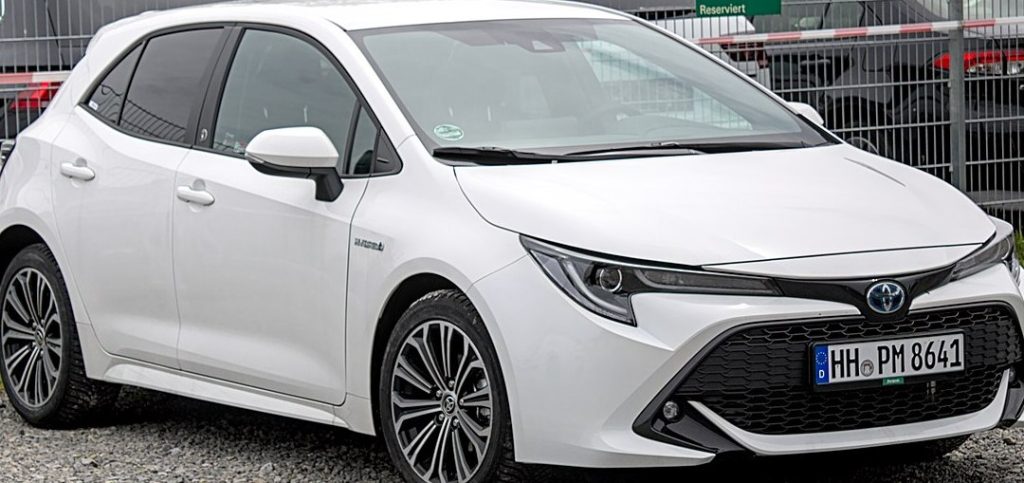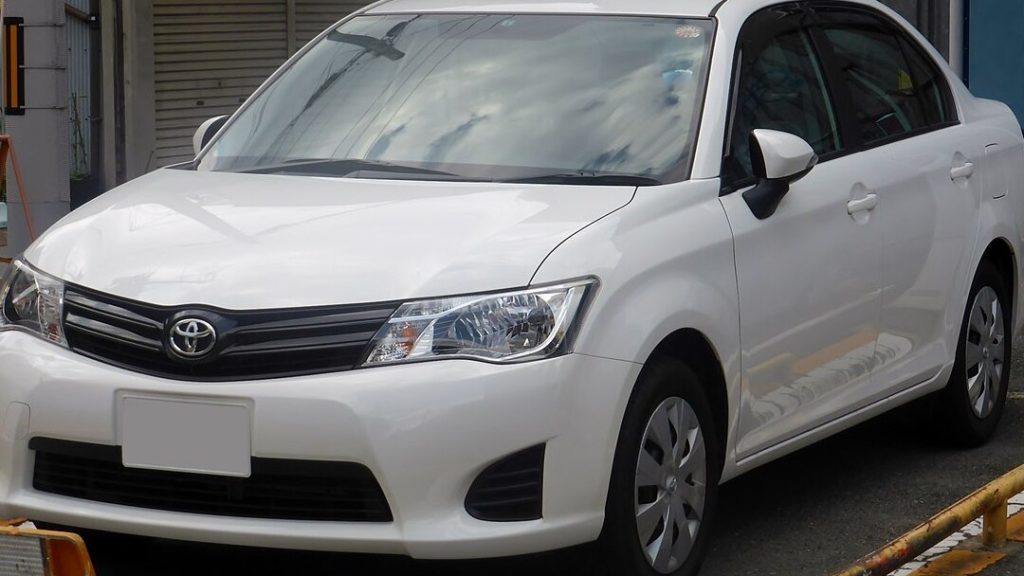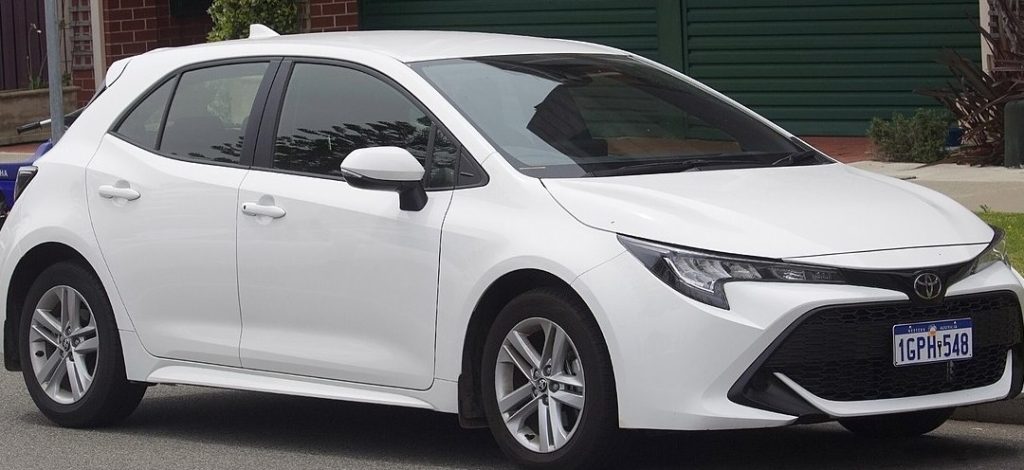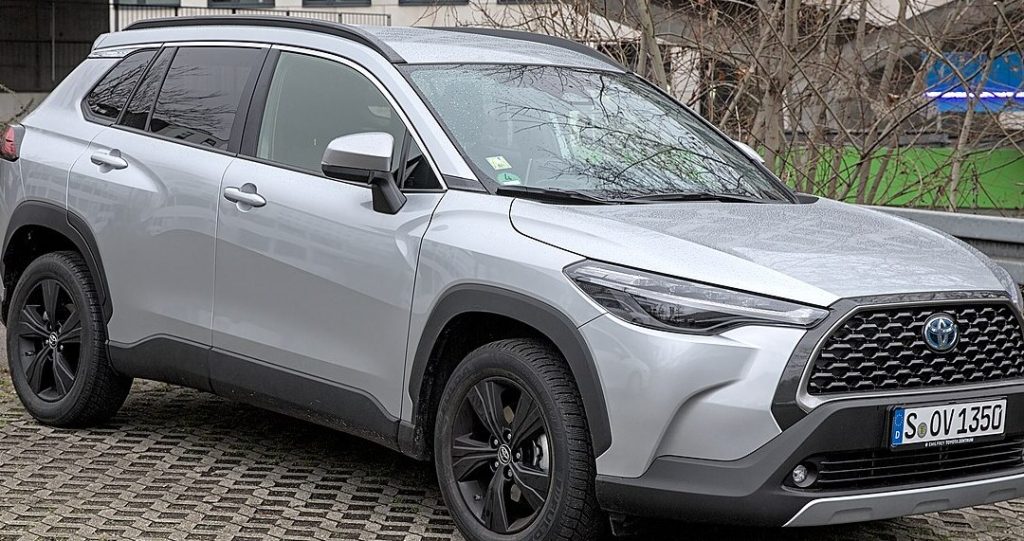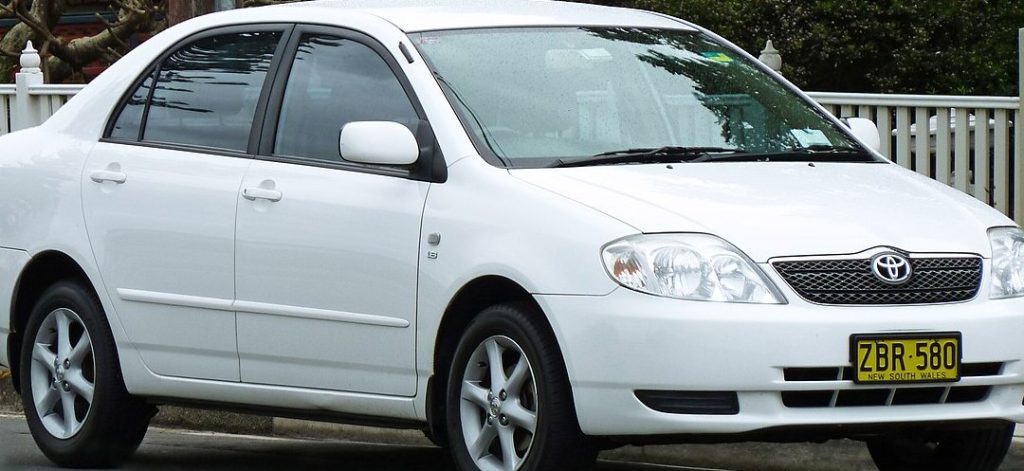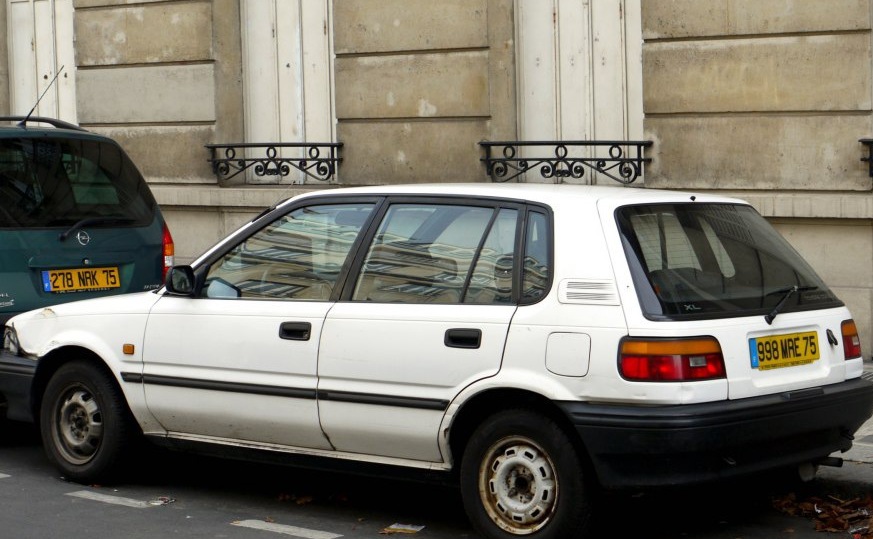
The Toyota Corolla E90, specifically the 1.8 D (CE90) variant produced between 1987 and 1992, represents a significant entry point into the sixth generation of Toyota’s globally successful Corolla line. This model, a five-door hatchback, was primarily aimed at European markets where diesel engines were favored for their fuel efficiency and practicality. Positioned as the entry-level diesel offering within the E90 range, it provided economical transportation for a broad customer base. The E90 series itself was a pivotal model for Toyota, showcasing advancements in design and engineering while maintaining the Corolla’s reputation for reliability.
Technical Specifications
| Brand | Toyota |
| Model | Corolla |
| Generation | Corolla Hatch VI (E90) |
| Type (Engine) | 1.8 D (CE90) (64 Hp) |
| Start of production | 1987 |
| End of production | 1992 |
| Powertrain Architecture | Internal Combustion engine |
| Body type | Hatchback |
| Seats | 5 |
| Doors | 5 |
| Fuel Type | Diesel |
| Power | 64 Hp |
| Engine Model/Code | 1C-L |
| Engine aspiration | Naturally aspirated engine |
| Engine oil capacity | 4.3 l (4.54 US qt | 3.78 UK qt) |
| Coolant capacity | 7.3 l (7.71 US qt | 6.42 UK qt) |
Powertrain & Engine Architecture
The heart of the Corolla 1.8 D (CE90) is the 1C-L diesel engine, a 1.8-liter (1779cc) inline-four cylinder unit. This engine, while modest in output by modern standards, was designed for durability and fuel economy. It features a naturally aspirated configuration, relying on atmospheric pressure for intake rather than forced induction. The 1C-L utilizes indirect injection, a common diesel technology of the era, where fuel is injected into a pre-chamber before entering the main combustion chamber. This design contributes to quieter operation and reduced emissions compared to direct injection systems of the time, though at the cost of some efficiency. The engine employs a single overhead camshaft (SOHC) valvetrain, operating two valves per cylinder. The engine’s relatively low compression ratio (around 23:1) helped to balance performance and longevity. Transmission options were limited, with a four-speed manual gearbox being the most common pairing, though a three-speed automatic transmission was also available, albeit less frequently specified. The automatic transmission, while offering convenience, noticeably impacted acceleration and fuel economy.
Driving Characteristics
The 1.8 D (CE90) Corolla was never intended to be a performance vehicle. With only 64 horsepower and approximately 93 lb-ft of torque, acceleration was leisurely. The focus was firmly on providing reliable and economical transportation. The four-speed manual transmission allowed drivers to make the most of the available power, but even then, overtaking maneuvers required careful planning. The automatic transmission further dulled performance, with noticeable delays in downshifting and a generally sluggish response. Gear ratios were optimized for fuel efficiency rather than outright speed. The engine’s torque curve was relatively flat, providing usable power across a narrow rev range, making it suitable for everyday driving conditions. The car felt stable and predictable, but lacked the responsiveness of higher-powered Corolla variants like the 1.6 gasoline models.
Equipment & Trim Levels
The 1.8 D (CE90) typically represented the base trim level for the diesel Corolla hatchback. Standard equipment was relatively sparse, reflecting its position as an affordable option. Interior features generally included cloth upholstery, a basic dashboard layout with analog gauges, and manual windows and door locks. Power steering was not always standard, and air conditioning was often an optional extra. The exterior featured steel wheels with hubcaps, black plastic trim, and relatively simple body-colored bumpers. Optional extras included upgraded audio systems, a sunroof, and more comfortable seating. The interior plastics were durable but utilitarian, prioritizing functionality over luxury. Trim levels varied slightly depending on the specific European market, with some countries offering additional features as standard.
Chassis & Braking
The Corolla E90 utilized a front-engine, front-wheel-drive layout. The suspension consisted of MacPherson struts at the front and a torsion beam axle at the rear. This setup provided a comfortable ride, although it wasn’t particularly sporty. The torsion beam rear suspension was a cost-effective solution, but it limited handling precision compared to independent rear suspension systems. Braking was typically accomplished with disc brakes at the front and drum brakes at the rear. The braking system was adequate for the car’s weight and performance, but lacked the stopping power of more modern vehicles. Stabilizer bars were often omitted on the base trim level, further contributing to a less engaging driving experience. The steering was relatively light and easy to use, making it well-suited for urban driving.
Market Reception & Comparison
The Corolla 1.8 D (CE90) was generally well-received in European markets as a practical and economical hatchback. Critics praised its fuel efficiency and reliability, but noted its lack of performance. Compared to the gasoline-powered Corolla variants, the diesel model offered significantly better fuel economy but considerably less power. The 1.6-liter gasoline engine, for example, produced around 90-100 horsepower, offering a more spirited driving experience. The 1.8 D was also often compared to diesel offerings from competitors like Volkswagen and Ford. While the Corolla’s diesel engine wasn’t as refined or powerful as some of its rivals, it was known for its exceptional durability and low running costs. Fuel economy figures typically ranged from 45-55 mpg, making it an attractive option for drivers covering long distances.
Legacy
The 1C-L diesel engine, while now quite old, has a reputation for being exceptionally robust. Many examples have exceeded 200,000 miles with minimal major repairs, provided they have been properly maintained. The Corolla E90 1.8 D (CE90) remains a relatively common sight on European roads today, often serving as affordable transportation for those seeking a simple and reliable vehicle. In the used car market, these Corollas are valued for their low purchase price and minimal maintenance requirements. However, potential buyers should be aware of the age-related issues common to older vehicles, such as rust and wear and tear on suspension components. The 1.8 D variant, while not the most desirable in terms of performance, represents a significant chapter in the Corolla’s history, demonstrating Toyota’s commitment to providing practical and dependable vehicles to a global audience.