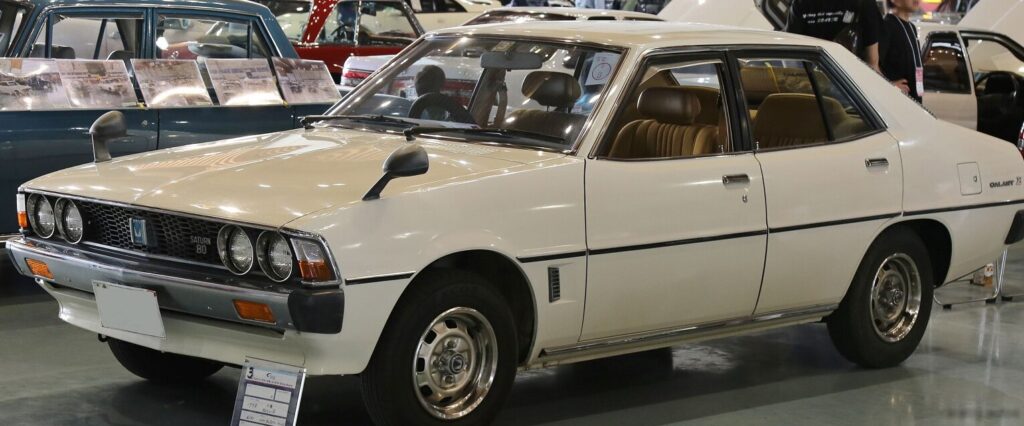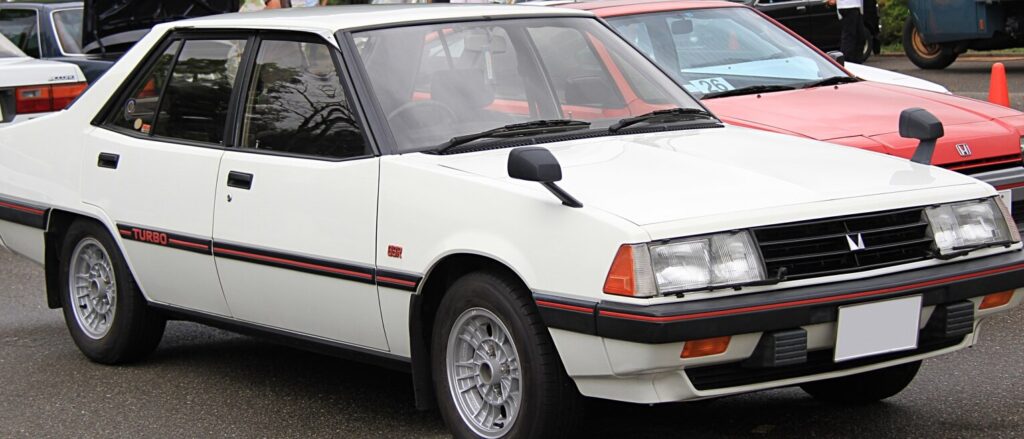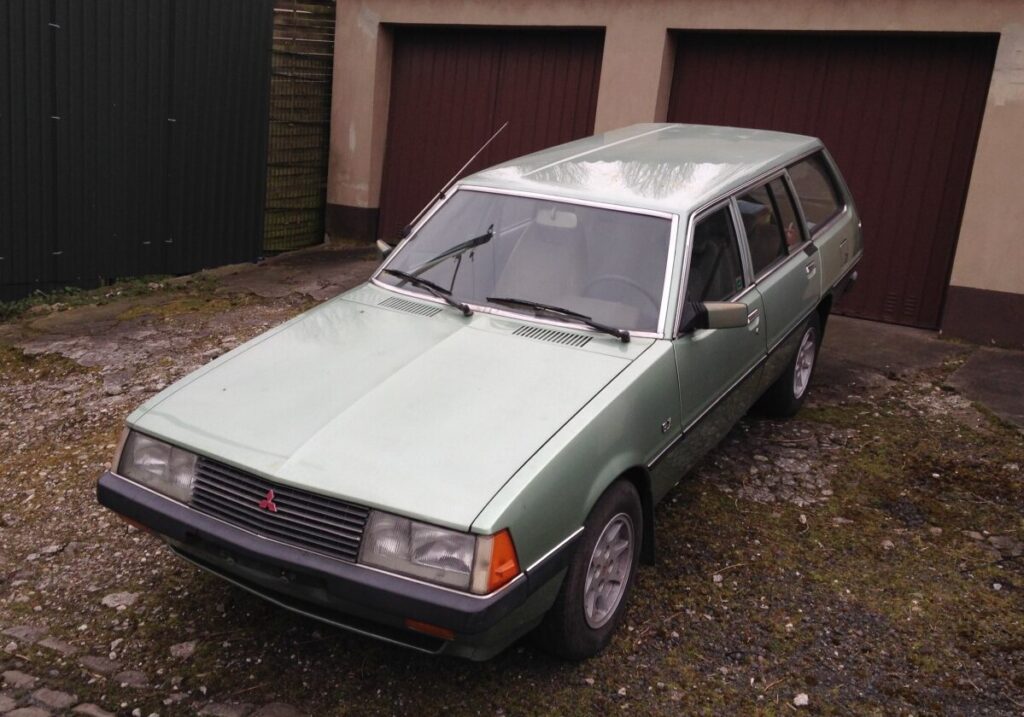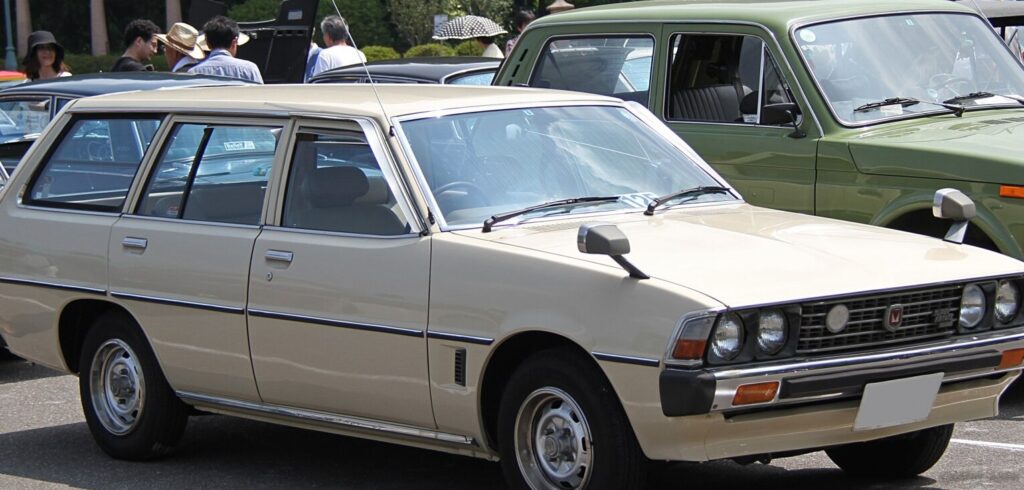
The Mitsubishi Galant III Wagon 2.0 GLX, produced between 1979 and 1980, represents a relatively uncommon variant within the broader Galant III lineage. Positioned as a practical family vehicle, the wagon body style offered increased cargo capacity compared to the sedan and coupe models. The 2.0 GLX trim, powered by a 98 horsepower engine and typically paired with an automatic transmission, aimed for a balance between affordability and comfortable transportation. This generation Galant, known internally as the A120 series, was a significant step forward for Mitsubishi, offering a more refined and spacious interior compared to its predecessors, and establishing the Galant as a serious contender in the mid-size market, particularly in Japan and Australia. While not widely exported to the United States during this generation, the Galant III found a niche following in several international markets.
Technical Specifications
| Brand | Mitsubishi |
| Model | Galant |
| Generation | Galant III Wagon |
| Type | 2.0 GLX (98 Hp) |
| Production Years | 1979 – 1980 |
| Body Type | Station Wagon (Estate) |
| Engine Type | Internal Combustion Engine (Petrol/Gasoline) |
| Engine Displacement | 2.0 Liters |
| Power Output | 98 Horsepower |
| Engine Aspiration | Naturally Aspirated |
| Transmission | Automatic (typically 3-speed) |
| Fuel System | Carbureted |
| Valvetrain | Overhead Valve (OHV) |
Powertrain & Engine Architecture
The heart of the Galant III Wagon 2.0 GLX is the 4G32 engine, a 1,997 cc (2.0 L) inline-four cylinder gasoline engine. This engine utilizes a naturally aspirated configuration and a single overhead valve (OHV) valvetrain. The 4G32 was a relatively simple and robust design, relying on a carburetor for fuel delivery – a common practice for the era. While not known for its high performance, the 4G32 prioritized reliability and fuel economy. The engine’s block is cast iron, contributing to its durability, while the cylinder head is aluminum. The 98 horsepower output is achieved at approximately 5,200 rpm, and peak torque of around 128 lb-ft is delivered at 3,000 rpm. The automatic transmission typically paired with this engine was a three-speed unit, designed for smooth, if not particularly sporty, operation. This transmission was chosen to appeal to buyers prioritizing ease of driving over outright performance.
Driving Characteristics
The driving experience in the Galant III Wagon 2.0 GLX with the automatic transmission is best described as comfortable and unhurried. Acceleration is adequate for everyday driving, but the 98 horsepower and three-speed automatic don’t allow for particularly brisk performance. The automatic transmission’s gear ratios are geared towards fuel efficiency and smooth cruising, rather than quick acceleration. Compared to the manual transmission versions of the 2.0 GLX, the automatic suffers a noticeable performance deficit. Higher-spec Galant models, equipped with larger engines (like the 2.6L) and manual transmissions, offered significantly more spirited driving experiences. The wagon’s suspension, while comfortable, is tuned for ride quality rather than handling precision. Steering is relatively light, making it easy to maneuver in urban environments, but lacking in feedback at higher speeds. The overall driving experience is geared towards practicality and ease of use, making it a suitable vehicle for families and those prioritizing comfort over performance.
Equipment & Trim Levels
The 2.0 GLX trim level represented a mid-range offering within the Galant III Wagon lineup. Standard equipment typically included cloth upholstery, a basic AM/FM radio, and manual windows and door locks. The dashboard layout is functional and straightforward, with clearly marked gauges for speed, fuel level, and coolant temperature. Optional extras available for the 2.0 GLX could include air conditioning, a more advanced radio with cassette player, and upgraded interior trim. The GLX trim also featured slightly more exterior brightwork compared to the base models. Interior space is generous for a vehicle of this era, with ample headroom and legroom for both front and rear passengers. The wagon’s rear cargo area is particularly spacious, making it ideal for carrying luggage, groceries, or other bulky items.
Chassis & Braking
The Galant III Wagon utilizes a body-on-frame construction, which was common for vehicles of this size and era. The suspension consists of independent front suspension with MacPherson struts and a live rear axle with leaf springs. This setup provides a comfortable ride, but doesn’t offer the same level of handling precision as more modern independent rear suspension designs. Braking is typically accomplished with disc brakes on the front wheels and drum brakes on the rear wheels. The braking system is adequate for normal driving conditions, but lacks the stopping power of more modern braking systems. Steering is a recirculating ball system, which provides a relatively light steering feel but lacks precision. Stabilizer bars were often included, particularly on the GLX trim, to reduce body roll during cornering.
Market Reception & Comparison
The Mitsubishi Galant III Wagon 2.0 GLX was generally well-received in markets where it was sold, particularly in Japan and Australia. Critics praised its spacious interior, comfortable ride, and practical wagon body style. However, the 98 horsepower engine and automatic transmission were often criticized for their lack of performance. Compared to other trims in the Galant III lineup, the 2.0 GLX Automatic offered a more affordable entry point, but at the expense of performance. The manual transmission versions of the 2.0 GLX provided a more engaging driving experience, while the larger-engined models offered significantly more power. Fuel economy was considered reasonable for the time, but not exceptional. Reliability was generally good, with the 4G32 engine proving to be a durable and long-lasting unit.
Legacy
The Mitsubishi Galant III Wagon 2.0 GLX, while not a high-performance vehicle, holds a place in automotive history as a practical and reliable family wagon. The 4G32 engine, while simple in design, proved to be remarkably durable, and many examples are still on the road today. In the used car market, these wagons are becoming increasingly collectible, particularly among enthusiasts of classic Japanese automobiles. Parts availability can be a challenge, but many components are still available through specialist suppliers. The Galant III Wagon represents a significant step forward for Mitsubishi, establishing the Galant as a competitive player in the mid-size market and paving the way for future generations of the model. Its blend of practicality, comfort, and reliability continues to appeal to enthusiasts and collectors alike.