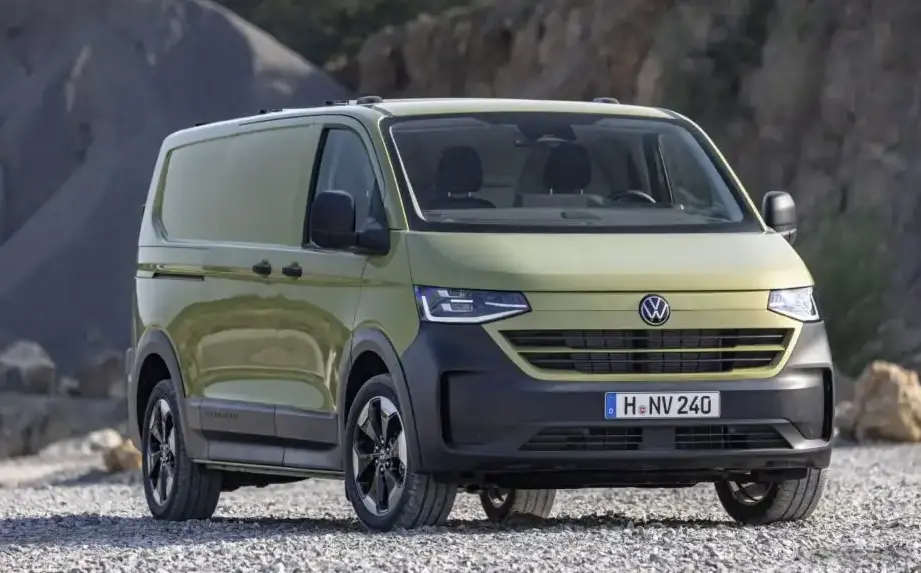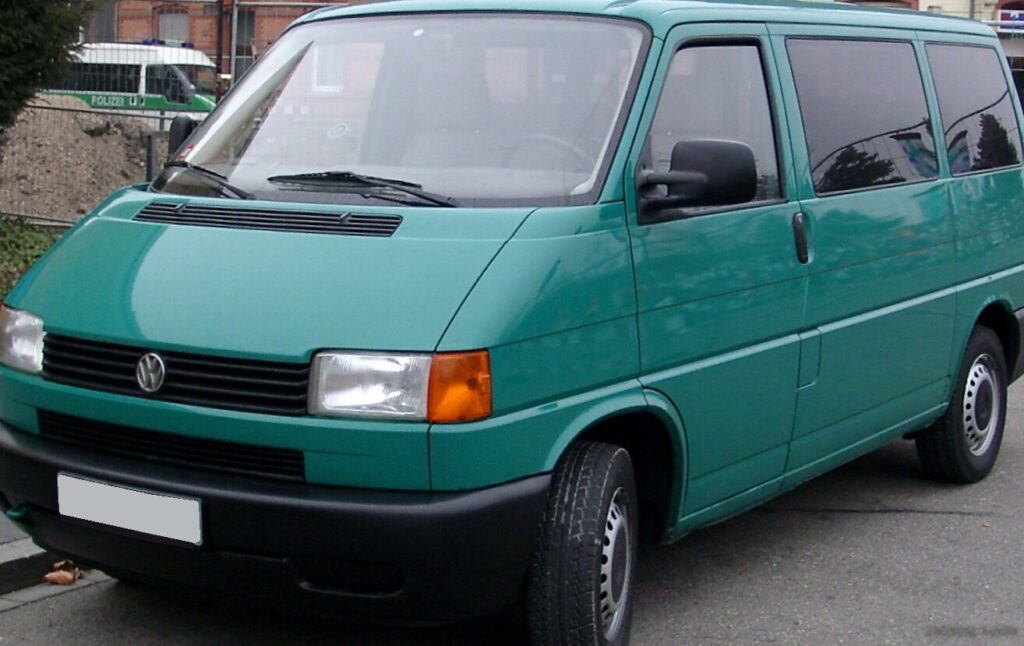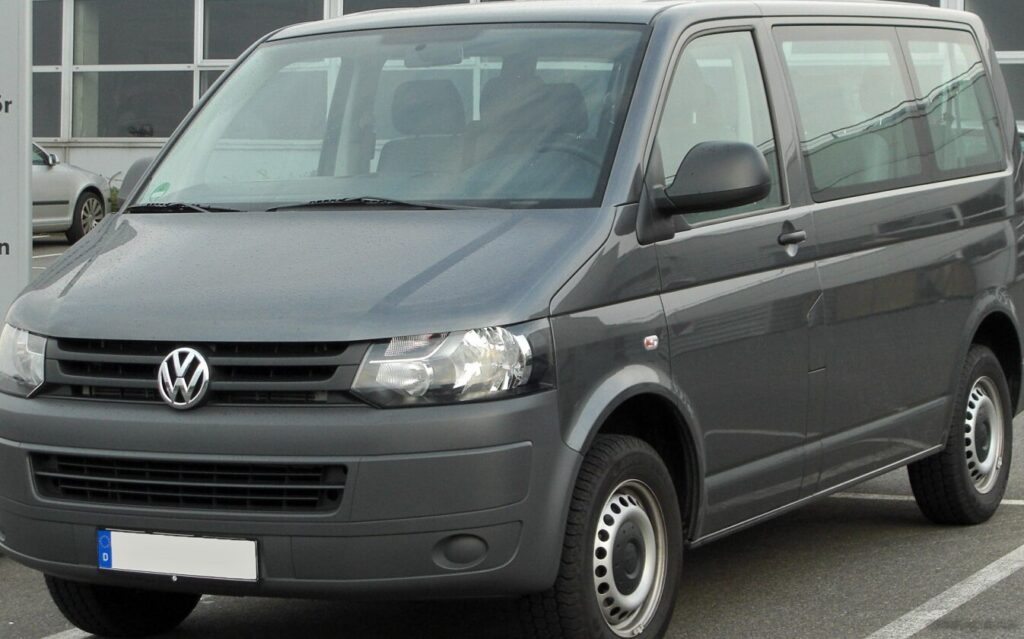
The Volkswagen Transporter (T5), specifically the facelifted version introduced in 2009, represented a significant evolution of Volkswagen’s popular commercial vehicle line. The Kombi variant, a passenger-focused configuration, offered seating for up to nine occupants and served as a versatile option for families and businesses alike. Among the engine options available, the 2.0 TDI with 180 horsepower coupled with a 7-speed Dual Clutch Gearbox (DSG) and the L1H2 body configuration (standard roof height, standard wheelbase) was a popular choice, particularly in European markets. Production of this specific configuration ran from 2009 to 2015.
POWERTRAIN & ENGINE ARCHITECTURE
The heart of the Transporter Kombi 2.0 TDI (180 Hp) DSG is the EA189 series engine, specifically the CFCA code. This is a 1968cc, four-cylinder diesel engine employing common rail direct injection and a bi-turbocharger setup with an intercooler. The twin turbochargers were implemented to mitigate turbo lag and provide a broader, more usable powerband. The engine utilizes a Double Overhead Camshaft (DOHC) valvetrain with four valves per cylinder, contributing to its efficiency and power output. The 7-speed DSG transmission is a crucial component, offering quick and smooth gear changes compared to a traditional automatic. This transmission features two clutches, allowing for pre-selection of the next gear, resulting in near-seamless shifts. The engine’s compression ratio is relatively high at 16.5:1, typical for diesel engines, maximizing combustion efficiency.
DRIVING CHARACTERISTICS
The 180 horsepower and 295 lb-ft of torque delivered by the 2.0 TDI engine, combined with the DSG transmission, provided a noticeably more spirited driving experience than the lower-powered diesel options available in the T5 range. Acceleration from 0-60 mph was achieved in approximately 9.8 seconds, and a top speed of 114 mph was attainable. The DSG transmission’s quick shifts helped to keep the engine in its optimal power band, making overtaking maneuvers relatively effortless, even when the vehicle was fully loaded. Compared to the 140 hp versions, the 180 hp model offered a significant improvement in responsiveness. While not as sporty as a manual transmission equipped model, the DSG provided a good balance of convenience and performance. The gear ratios were tuned for a blend of fuel efficiency and usable power, prioritizing mid-range torque for everyday driving situations.
EQUIPMENT & TRIM LEVELS
The Kombi trim level generally offered a higher level of standard equipment compared to the base panel van. Standard features typically included air conditioning, power windows, central locking, and an upgraded interior trim. The 180 hp TDI variant often came with alloy wheels as standard, and could be optioned with features like parking sensors, a navigation system, and upgraded audio systems. Interior upholstery was typically cloth, but leather options were available. Dashboard configurations were relatively straightforward, prioritizing functionality and durability. Optional extras included features like a second sliding side door, upgraded seating configurations, and various driver assistance systems.
CHASSIS & BRAKING
The T5 Transporter Kombi utilized an independent suspension setup on both the front and rear axles. The front suspension employed McPherson struts with coil springs and an anti-roll bar, while the rear suspension featured a trailing arm configuration with coil springs and a transverse stabilizer. This setup provided a reasonable balance between ride comfort and handling. Braking duties were handled by ventilated discs on all four wheels, providing ample stopping power. The braking system was equipped with ABS (Anti-lock Braking System) as standard. Steering was rack and pinion with hydraulic power assistance, offering a direct and responsive feel.
MARKET RECEPTION & COMPARISON
The 2.0 TDI 180 hp DSG Kombi was generally well-received by automotive critics. It was praised for its strong performance, refined driving experience, and relatively good fuel economy – achieving around 29.8 US mpg on the combined cycle. Compared to the lower-powered diesel variants, the 180 hp model offered a significant improvement in drivability, making it a popular choice for those who frequently carried passengers or cargo. However, some critics noted that the DSG transmission could be occasionally jerky at low speeds. Compared to the petrol engine options, the TDI offered superior fuel economy and torque, making it a more practical choice for commercial use. The 180 hp version positioned itself as a mid-range offering, bridging the gap between the more economical base models and the higher-performance (but less fuel-efficient) options.
LEGACY
The EA189 engine, while generally reliable, has been subject to scrutiny regarding emissions compliance, leading to software updates and recalls in some markets. However, the core mechanical components of the engine and DSG transmission have proven to be durable. Today, the T5 Transporter Kombi 2.0 TDI (180 Hp) DSG remains a popular choice in the used car market, particularly for those seeking a versatile and reliable vehicle. Maintenance costs are generally reasonable, although regular servicing is essential to ensure longevity. The availability of parts is good, and the T5’s robust construction ensures that many examples are still in active use today. The combination of performance, practicality, and relative reliability has cemented its place as a well-regarded workhorse and family vehicle.
| Brand | Volkswagen |
| Model | Transporter |
| Generation | Transporter (T5, facelift 2009) Kombi |
| Type (Engine) | 2.0 TDI (180 Hp) DSG L1H2 |
| Start of production | 2009 |
| End of production | 2015 |
| Powertrain Architecture | Internal Combustion engine |
| Body type | Van |
| Seats | 4-9 |
| Doors | 4-5 |
| Fuel consumption (economy) – urban (NEDC) | 10 l/100 km (23.5 US mpg) |
| Fuel consumption (economy) – extra urban (NEDC) | 6.7 l/100 km (35.1 US mpg) |
| Fuel consumption (economy) – combined (NEDC) | 7.9 l/100 km (29.8 US mpg) |
| CO2 emissions (NEDC) | 208 g/km |
| Fuel Type | Diesel |
| Acceleration 0 – 100 km/h | 10.3 sec |
| Acceleration 0 – 62 mph | 10.3 sec |
| Acceleration 0 – 60 mph | 9.8 sec |
| Maximum speed | 184 km/h (114.33 mph) |
| Emission standard | Euro 5 |
| Power | 180 Hp @ 4000 rpm |
| Torque | 400 Nm @ 1500-2000 rpm (295.02 lb.-ft.) |
| Engine layout | Front, Transverse |
| Engine Model/Code | EA189 / CFCA |
| Engine displacement | 1968 cm3 (120.09 cu. in.) |
| Number of cylinders | 4 |
| Engine configuration | Inline |
| Compression ratio | 16.5:1 |
| Fuel injection system | Diesel Commonrail |
| Engine aspiration | BiTurbo, Intercooler |
| Valvetrain | DOHC |
| Kerb Weight | 1901-2147 kg (4190.99 – 4733.32 lbs.) |
| Max. weight | 2800-3200 kg (6172.94 – 7054.79 lbs.) |
| Fuel tank capacity | 80 l (21.13 US gal) |
| Number of gears and type of gearbox | 7 gears, automatic transmission DSG |
| Length | 4892 mm (192.6 in.) |
| Width | 1904 mm (74.96 in.) |