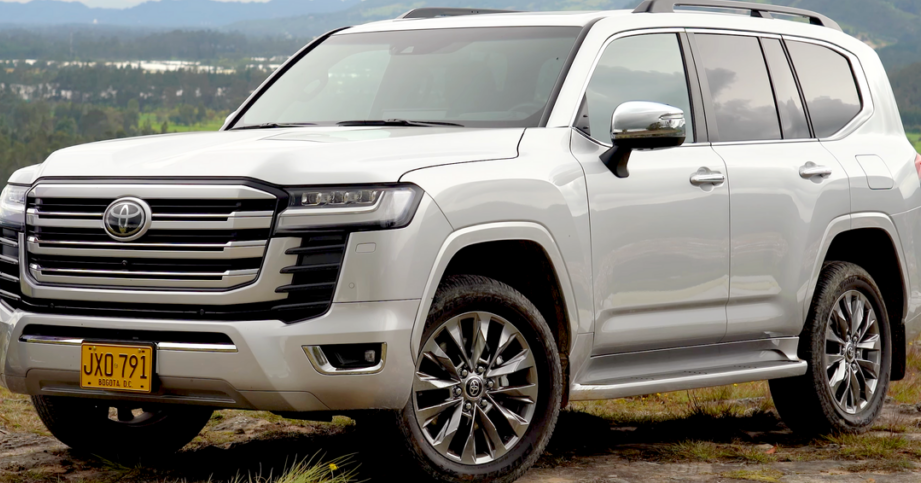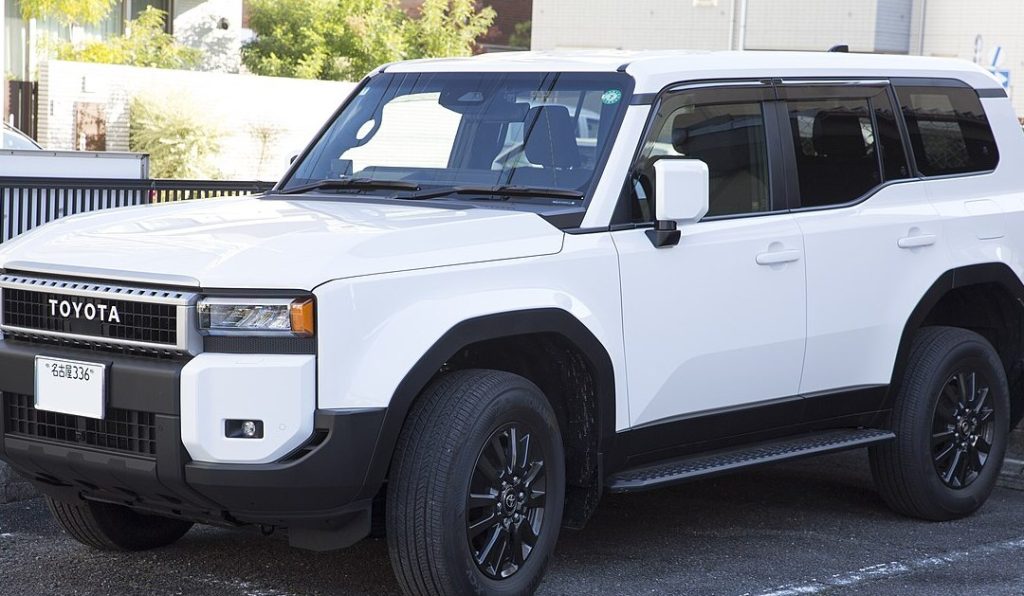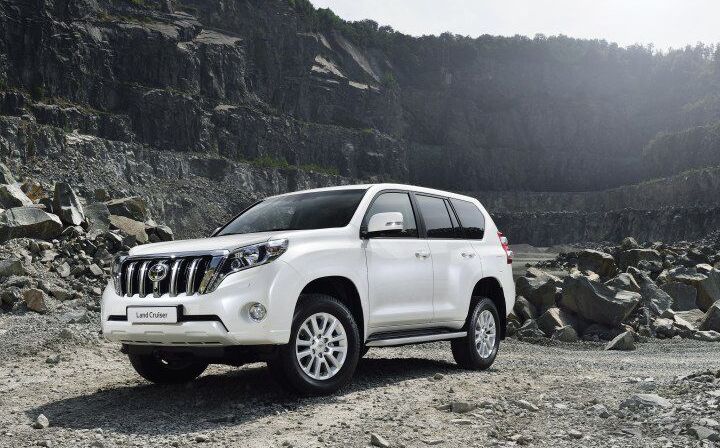
The Toyota Land Cruiser Prado (J150 series, post-facelift introduced in 2013) 5-door model powered by the 3.0 D-4D diesel engine producing 190 horsepower and paired with a four-wheel drive automatic transmission represents a significant iteration of Toyota’s renowned off-road SUV. Produced from 2013 to 2015, this variant occupied a middle ground within the J150 Prado lineup, offering a balance between fuel efficiency, on-road comfort, and capable off-road performance. It was positioned above the base models with smaller engines and below the more luxurious and powerful variants.
The heart of this Prado is the 1KD-FTV 3.0-liter inline-four diesel engine. This engine, a mainstay in Toyota’s commercial and passenger vehicle lineups for many years, utilizes a common rail direct injection system for optimized fuel delivery and combustion. The 1KD-FTV is a turbocharged and intercooled engine, contributing to its 190 horsepower output at 3400 rpm and a substantial 420 Nm (309.78 lb-ft) of torque available between 1600 and 3000 rpm. The engine features a double overhead camshaft (DOHC) valvetrain with four valves per cylinder, enhancing breathing and overall efficiency. The automatic transmission is a conventional five-speed unit, chosen for its ease of use and suitability for both on-road cruising and moderate off-road conditions. While not as sophisticated as some newer automatic transmissions, it provides smooth shifts and reliable operation.
In real-world driving, the 190 hp/automatic Prado delivers adequate performance for everyday use. Acceleration from 0 to 100 km/h (0-62 mph) takes approximately 11 seconds, and 0 to 60 mph is achieved in around 10.5 seconds. While not a sports car, the engine’s strong low-end torque makes it well-suited for towing and navigating challenging terrain. Compared to the manual transmission versions of the same engine, the automatic Prado feels slightly less responsive, with some power loss inherent in the torque converter. However, the convenience of the automatic outweighs this for many drivers. Compared to higher-output Prado variants, such as those with larger displacement engines, this 3.0 D-4D offers a more economical driving experience, albeit with reduced outright performance.
The 2013-2015 Prado 3.0 D-4D Automatic typically came equipped with a respectable level of standard features. These included air conditioning, power windows and locks, a basic audio system, and seven seats as standard. Interior upholstery was generally cloth, though leather options were available. Dashboard configuration was functional and durable, prioritizing practicality over luxury. Optional extras included a navigation system, upgraded audio, sunroof, and parking sensors. The seven-seat configuration provided versatility for families, while the spacious interior offered comfortable accommodation for passengers.
The Prado’s chassis features a robust body-on-frame construction, providing excellent durability and off-road capability. The front suspension utilizes a double wishbone setup, while the rear employs a dependent, multi-link spring system with telescopic shock absorbers. This configuration balances ride comfort with off-road articulation. Braking is handled by ventilated discs on all four wheels, providing adequate stopping power. Anti-lock Braking System (ABS) was standard. The Prado’s suspension and braking systems were tuned to accommodate its weight and intended use, offering a stable and controlled driving experience even when fully loaded or traversing uneven terrain.
Critics generally viewed the 3.0 D-4D Automatic Prado as a competent and reliable SUV. It was praised for its comfortable ride, spacious interior, and strong off-road capabilities. Fuel economy was considered reasonable for a vehicle of its size and type, with combined fuel consumption figures around 8.1 l/100 km (29 US mpg). Reliability was a key strength, with the 1KD-FTV engine known for its longevity and durability. Compared to other trims, the 3.0 D-4D offered a good balance of performance, economy, and price, making it a popular choice for families and those seeking a versatile SUV.
| Brand | Toyota |
| Model | Land Cruiser Prado |
| Generation | Land Cruiser Prado (J150, facelift 2013) 5-door |
| Type | 3.0 D-4D (190 Hp) 4WD Automatic 7 Seat |
| Start of production | 2013 |
| End of production | 2015 |
| Fuel consumption (urban) | 9.7 l/100 km (24.2 US mpg) |
| Fuel consumption (extra urban) | 7.1 l/100 km (33.1 US mpg) |
| Fuel consumption (combined) | 8.1 l/100 km (29 US mpg) |
| CO2 emissions | 213 g/km |
| Fuel Type | Diesel |
| Acceleration 0-100 km/h | 11 sec |
| Acceleration 0-60 mph | 10.5 sec |
| Maximum speed | 175 km/h (108.74 mph) |
| Engine Model/Code | 1KD-FTV |
| Engine displacement | 2982 cm3 (181.97 cu. in.) |
| Number of cylinders | 4 |
| Engine configuration | Inline |
| Torque | 420 Nm (309.78 lb.-ft.) @ 1600-3000 rpm |
| Fuel tank capacity | 87 l (22.98 US gal) |
| Max. weight | 2990 kg (6591.82 lbs.) |
| Trunk space (min/max) | 104 – 1833 l (3.67 – 64.73 cu. ft.) |
| Number of gears | 5 |
| Gearbox type | Automatic transmission |
Today, the 2013-2015 Toyota Land Cruiser Prado 3.0 D-4D Automatic holds a strong reputation for reliability and durability in the used car market. The 1KD-FTV engine is well-regarded for its longevity, and with proper maintenance, these Prados can continue to provide years of dependable service. While not the fastest or most luxurious SUV available, its combination of practicality, off-road capability, and Toyota’s renowned build quality makes it a desirable choice for those seeking a robust and reliable vehicle.