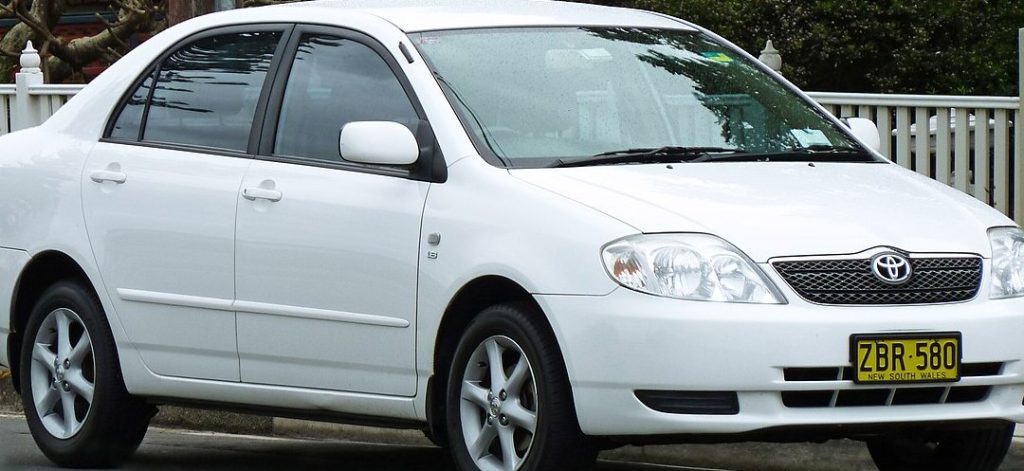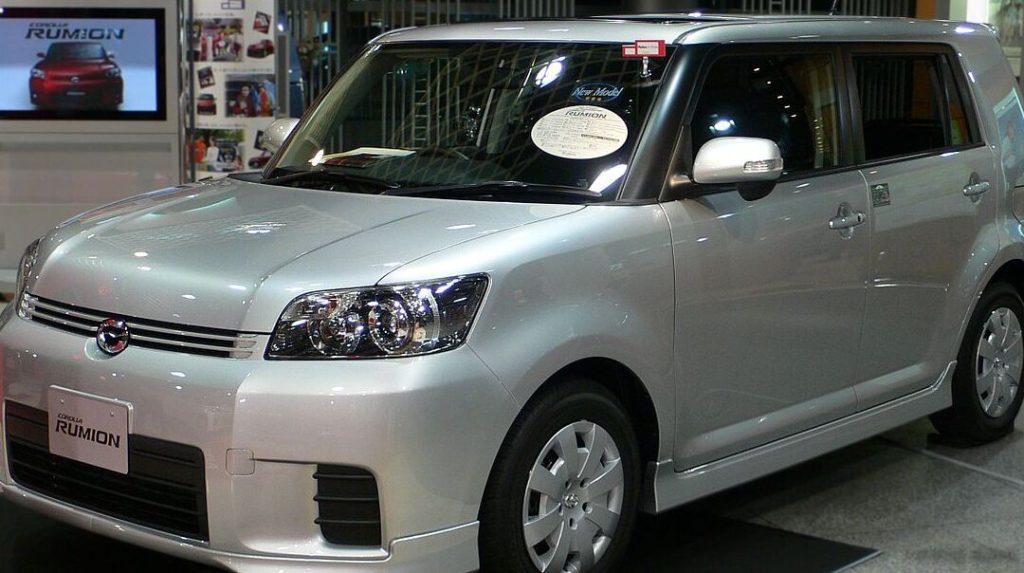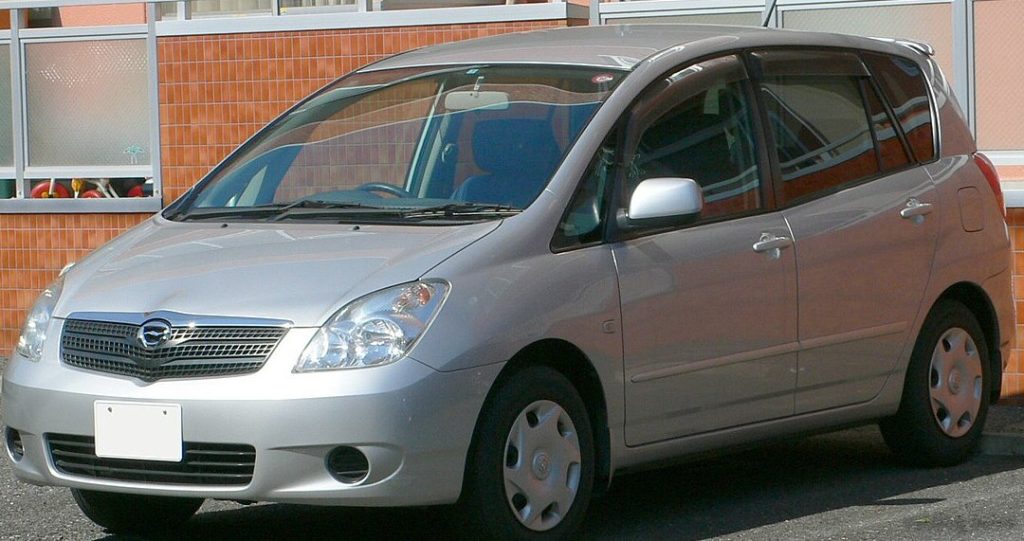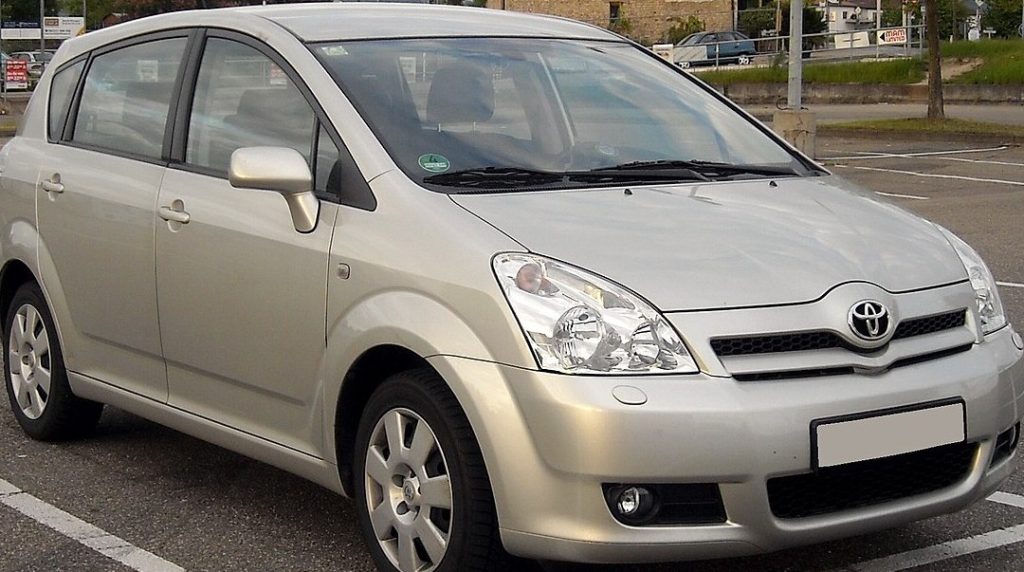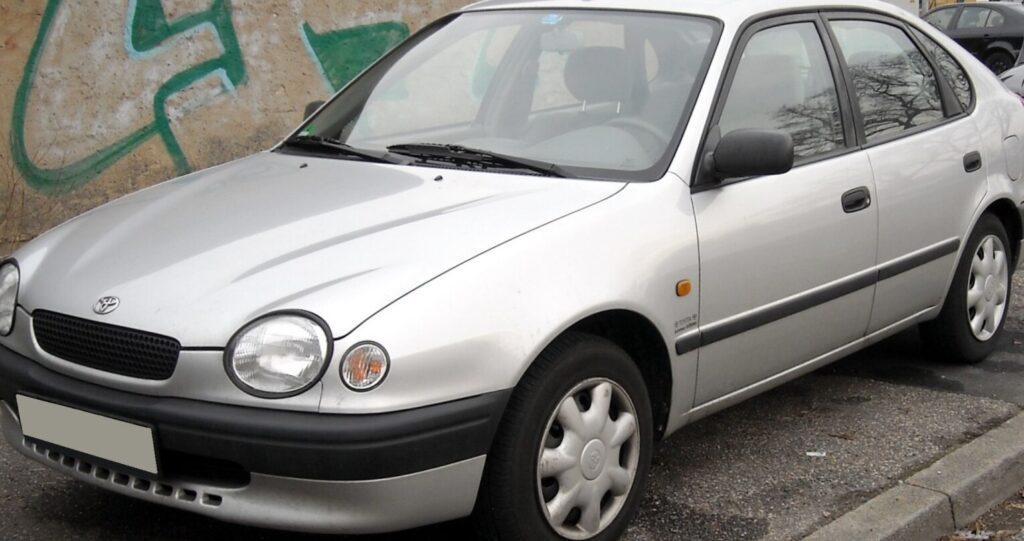
The Toyota Corolla E110, produced between 1997 and 2000, represented the eighth generation of Toyota’s globally successful Corolla. Within this generation, the 1.3 i 16V variant, producing 86 horsepower, served as the entry-level offering in many European and Asian markets. Positioned below the 1.6L and 1.8L models, it aimed to provide affordable and reliable transportation for budget-conscious buyers. The E110 series was a significant departure from previous Corollas, adopting a more rounded and contemporary design, and was available in a variety of body styles including sedan, liftback, and wagon configurations. This article focuses specifically on the 1.3 i 16V hatchback model.
The heart of the 1.3 i 16V Corolla is the 4E-FE engine, a 1.3-liter (1332 cc) inline-four cylinder gasoline engine. This engine utilizes a naturally aspirated configuration and a multi-port fuel injection system, delivering a balance of fuel efficiency and adequate power for everyday driving. The 4E-FE engine features a single overhead camshaft (SOHC) design with four valves per cylinder (16V), contributing to its relatively smooth operation. The engine’s bore and stroke are 74 mm and 77.4 mm respectively, resulting in a compression ratio of 10:1. The engine is transversely mounted in the front of the vehicle. While not known for its blistering performance, the 4E-FE is renowned for its durability and ease of maintenance. The 1.3L engine was typically paired with a five-speed manual transmission, however, a four-speed automatic transmission was also offered, though less common.
In real-world driving conditions, the 1.3 i 16V Corolla with the five-speed manual transmission offered adequate, if not exhilarating, performance. Acceleration from 0 to 62 mph (0-100 km/h) took approximately 12.5 seconds, with a top speed of around 108.74 mph (175 km/h). The automatic transmission version experienced slightly slower acceleration due to the transmission’s inherent efficiency losses. The engine’s torque output of 88.51 lb-ft (120 Nm) at 4200 rpm meant that drivers often needed to utilize the full rev range to achieve optimal acceleration, particularly when carrying passengers or cargo. The gear ratios in the manual transmission were spaced to prioritize fuel economy over outright performance.
The 1.3 i 16V Corolla typically came equipped with a fairly basic level of standard features. Interior upholstery was generally cloth, with a simple dashboard layout. Power steering was standard, but air conditioning and power windows were often optional extras, depending on the specific market. Safety features included an Anti-lock Braking System (ABS) as standard equipment. The hatchback body style offered a practical cargo area of 372 liters (13.14 cubic feet) with the rear seats up. Trim levels were often differentiated by the inclusion of features like alloy wheels, upgraded audio systems, and body-colored bumpers.
The E110 Corolla’s chassis employed a relatively conventional setup for a vehicle in its class. Front suspension utilized a MacPherson strut design, while the rear suspension featured a torsion beam arrangement. Front brakes were ventilated discs, providing adequate stopping power, while the rear brakes were drums. The hydraulic power steering offered light and easy maneuverability. The vehicle’s kerb weight of 1060 kg (2336.9 lbs) contributed to its relatively nimble handling characteristics. Tire size was typically 165/70 R14.
Contemporary reviews of the 1.3 i 16V Corolla generally praised its reliability, fuel efficiency, and affordability. However, critics often noted its lack of outright performance compared to the larger-engined models in the range. Fuel economy was a strong point, with combined cycle figures around 32.1 mpg (UK) or 40.6 mpg (US). The 1.3L engine was considered a good choice for urban driving and commuting, but less suitable for long highway journeys or frequent overtaking maneuvers. Compared to the 1.6L and 1.8L variants, the 1.3 i 16V offered a more economical option, appealing to a different segment of the market.
| Engine Model/Code | 4E-FE |
| Engine Displacement | 1332 cm3 (81.28 cu. in.) |
| Number of Cylinders | 4, Inline |
| Cylinder Bore | 74 mm (2.91 in.) |
| Piston Stroke | 77.4 mm (3.05 in.) |
| Compression Ratio | 10:1 |
| Number of Valves per Cylinder | 4 |
| Fuel Injection System | Multi-port manifold injection |
| Engine Aspiration | Naturally aspirated |
| Engine Oil Capacity | 2.8 l (2.96 US qt | 2.46 UK qt) |
| Coolant Capacity | 4.8 l (5.07 US qt | 4.22 UK qt) |
| Kerb Weight | 1060 kg (2336.9 lbs.) |
| Max. Weight | 1580 kg (3483.3 lbs.) |
| Max Load | 520 kg (1146.4 lbs.) |
| Trunk (boot) space – minimum | 372 l (13.14 cu. ft.) |
| Fuel Tank Capacity | 50 l (13.21 US gal | 11 UK gal) |
| Length | 4270 mm (168.11 in.) |
| Width | 1690 mm (66.54 in.) |
| Height | 1385 mm (54.53 in.) |
| Wheelbase | 2465 mm (97.05 in.) |
| 0-60 mph | 11.9 sec |
| 0-100 km/h | 12.5 sec |
| Maximum Speed | 175 km/h (108.74 mph) |
| Power | 86 Hp @ 5400 rpm |
| Torque | 120 Nm @ 4200 rpm (88.51 lb.-ft. @ 4200 rpm) |
| Fuel consumption (urban) | 8.8 l/100 km (26.7 US mpg, 32.1 UK mpg, 11.4 km/l) |
| Fuel consumption (extra urban) | 5.8 l/100 km (40.6 US mpg, 48.7 UK mpg, 17.2 km/l) |
Today, the Toyota Corolla E110 1.3 i 16V remains a relatively common sight on used car markets, particularly in Europe and Asia. The 4E-FE engine is known for its exceptional reliability, and well-maintained examples can still provide years of dependable service. While not a performance car, its affordability and fuel efficiency continue to make it an attractive option for those seeking a basic, reliable, and economical hatchback. Parts availability is generally good, and the simple mechanical design makes it relatively easy to repair and maintain, even for amateur mechanics.