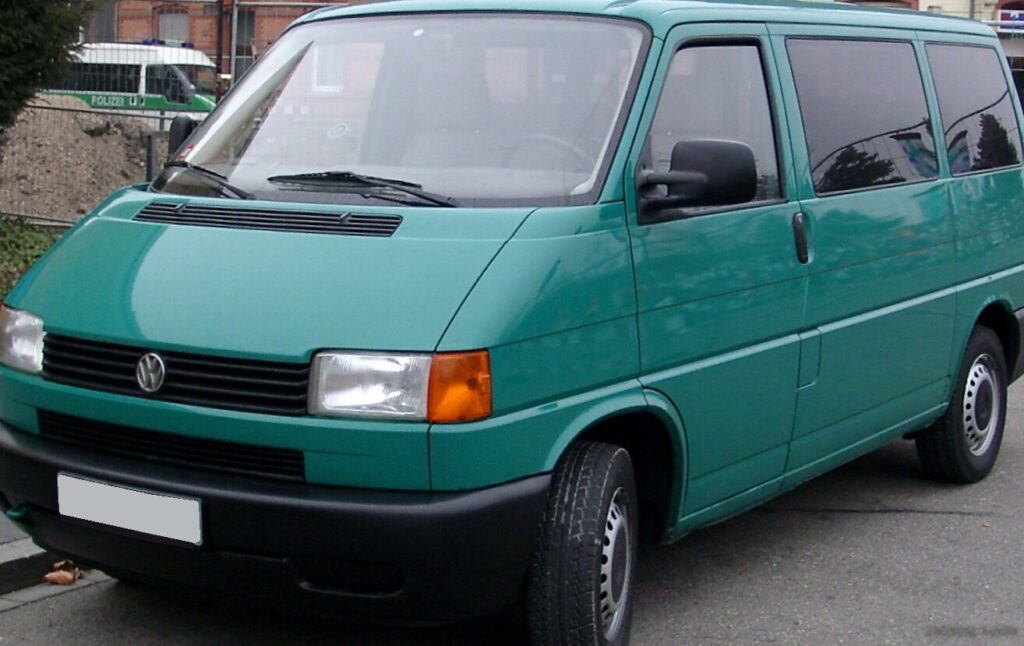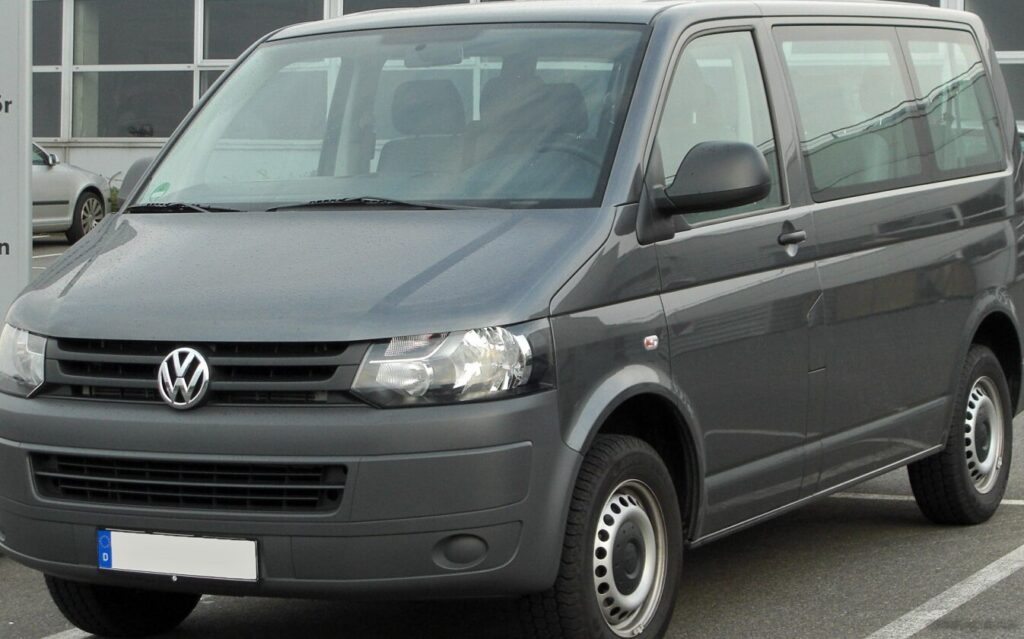
The Volkswagen Transporter (T5) facelift, produced from 2009 to 2015, represented a significant update to the fifth generation of Volkswagen’s popular commercial vehicle. Within the T5 range, the Kombi 2.0 TDI with 180 horsepower and a dual-clutch gearbox (DSG) in the L2H3 configuration occupied a mid-to-upper position in the lineup. This variant aimed to balance practicality, efficiency, and a degree of performance for commercial and family users alike. The L2H3 designation refers to the vehicle’s body length (L2 – long wheelbase) and roof height (H3 – high roof), offering substantial cargo and passenger space. This model was primarily sold in Europe and other international markets.
The heart of the Transporter Kombi 2.0 TDI (180 Hp) DSG L2H3 is the EA189 series 2.0-liter four-cylinder diesel engine, specifically the CFCA engine code. This engine utilizes a common rail direct fuel injection system, delivering fuel directly into the combustion chamber at extremely high pressure for improved efficiency and reduced emissions. The engine is bi-turbocharged, employing two turbochargers – a smaller, more responsive turbo for low-end torque and a larger turbo for higher-end power. An intercooler further cools the compressed intake air, increasing its density and improving combustion. The engine produces 180 horsepower at 4000 rpm and a substantial 400 Nm (295 lb-ft) of torque between 1500 and 2000 rpm. This power is then channeled through a 7-speed dual-clutch gearbox (DSG), offering quick and smooth gear changes. The DSG transmission allows for both fully automatic operation and manual gear selection via the gear lever or steering wheel-mounted paddles.
In real-world driving, the 180 hp TDI with DSG provides a noticeable step up in performance compared to lower-powered Transporter variants. Acceleration from 0 to 100 km/h (0-62 mph) takes approximately 10.6 seconds, and 0-60 mph is achieved in around 10.1 seconds. While not a sports van, the ample torque available from low engine speeds makes it capable of carrying heavy loads and maintaining comfortable cruising speeds on highways. The DSG transmission contributes to a refined driving experience, offering seamless gear changes and responsive acceleration. Compared to the 140 hp TDI, the 180 hp version feels significantly more effortless, especially when fully loaded or climbing hills. Manual transmission versions of the T5 offered a more direct connection to the engine, but the DSG provided convenience and efficiency.
The Kombi trim level typically included features such as air conditioning, power windows, central locking, and an audio system. Interior upholstery was generally durable cloth, with options for upgraded materials. The dashboard layout was functional and driver-focused, with clear instrumentation and logically placed controls. Optional extras included features like parking sensors, a navigation system, heated seats, and upgraded audio systems. The L2H3 body style provided a generous cargo area behind the rear seats, making it suitable for both commercial and family use. Seating configurations varied, accommodating between 4 and 9 passengers depending on the specific layout.
The T5 Transporter’s chassis featured independent suspension on both the front and rear axles. The front suspension utilized a McPherson strut design with coil springs and an anti-roll bar, while the rear suspension employed a trailing arm setup with coil springs and a transverse stabilizer. This configuration provided a good balance between ride comfort and handling. Braking systems consisted of ventilated discs on all four wheels, providing ample stopping power. Anti-lock Braking System (ABS) was standard. The steering system was a hydraulic power-assisted rack and pinion setup, offering precise and responsive steering feel.
Critics generally praised the T5 Transporter for its practicality, reliability, and comfortable driving experience. The 2.0 TDI 180 hp engine with DSG was considered a good compromise between performance and fuel economy. Fuel consumption figures averaged around 8.2 l/100 km (28.7 US mpg) combined, which was competitive for its class. However, some criticisms were leveled at the complexity of the EA189 engine, which was later found to be affected by the “Dieselgate” emissions scandal. Compared to the lower-powered TDI variants, the 180 hp version offered a more refined and capable driving experience, justifying the higher price point for those requiring extra performance. The VR6 petrol engine offered more power, but at the cost of significantly higher fuel consumption.
| Brand | Volkswagen |
| Model | Transporter |
| Generation | Transporter (T5, facelift 2009) Kombi |
| Type (Engine) | 2.0 TDI (180 Hp) DSG L2H3 |
| Start of production | 2009 |
| End of production | 2015 |
| Fuel consumption (urban) | 10 l/100 km (23.5 US mpg) |
| Fuel consumption (extra urban) | 7.1 l/100 km (33.1 US mpg) |
| Fuel consumption (combined) | 8.2 l/100 km (28.7 US mpg) |
| CO2 emissions | 216 g/km |
| Fuel Type | Diesel |
| Acceleration 0-100 km/h | 10.6 sec |
| Acceleration 0-62 mph | 10.6 sec |
| Maximum speed | 176 km/h (109.36 mph) |
| Engine Model/Code | EA189 / CFCA |
| Engine displacement | 1968 cm3 (120.09 cu. in.) |
| Number of cylinders | 4 |
| Power | 180 Hp @ 4000 rpm |
| Torque | 400 Nm @ 1500-2000 rpm (295.02 lb.-ft.) |
| Kerb Weight | 1901-2274 kg (4190.99 – 5013.31 lbs.) |
| Max. weight | 2800-3200 kg (6172.94 – 7054.79 lbs.) |
| Trunk (boot) space (max) | 9300 l (328.43 cu. ft.) |
| Fuel tank capacity | 80 l (21.13 US gal) |
| Gears/Gearbox | 7 gears, automatic transmission DSG |
Today, the T5 Transporter 2.0 TDI (180 Hp) DSG L2H3 remains a popular choice in the used commercial vehicle market. The EA189 engine’s reliability is generally good, although potential owners should be aware of the Dieselgate issue and ensure any necessary software updates have been performed. The DSG transmission, if properly maintained, is known to be durable. Overall, this variant offers a compelling combination of practicality, performance, and fuel efficiency, making it a versatile and capable vehicle for a wide range of applications.