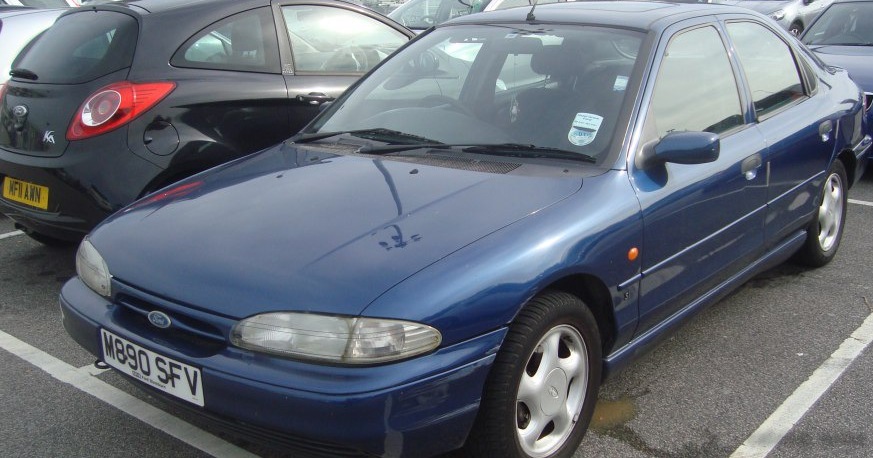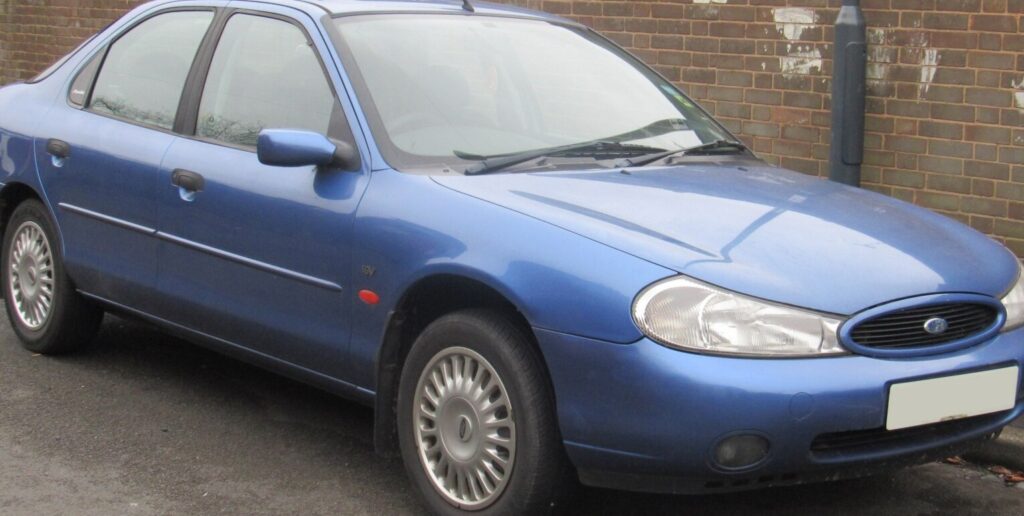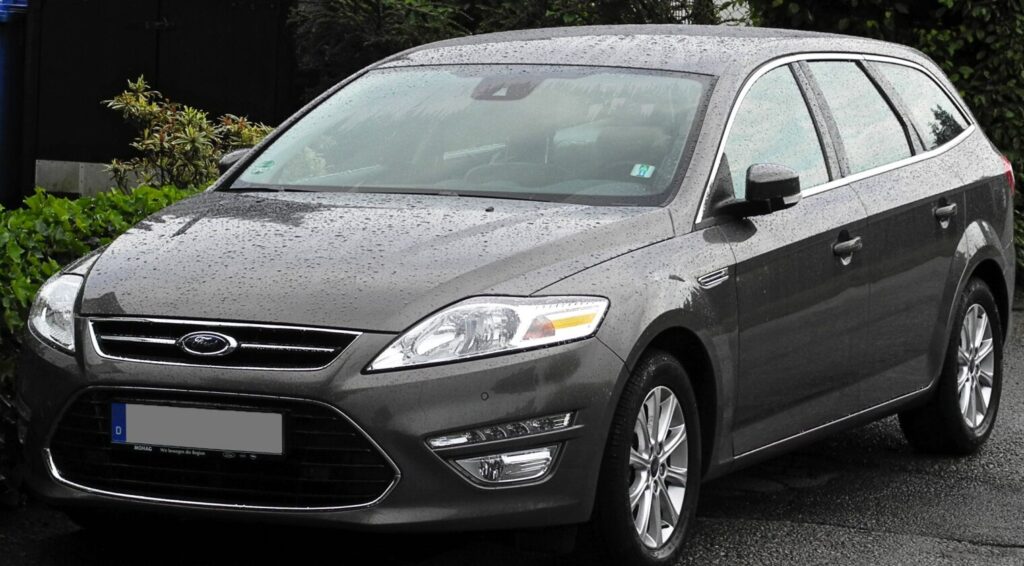
The Ford Mondeo III Wagon, specifically the facelifted version produced from 2010 to 2014, represented a significant evolution of Ford’s mid-size family car. Within the Mondeo III range (internally designated as the facelifted version of the Mk3), the 2.0 EcoBoost model with the PowerShift dual-clutch transmission occupied a strong mid-range position. It offered a compelling blend of performance, fuel efficiency, and practicality, appealing to buyers seeking a more engaging driving experience than the base models, but without the higher price tag of the top-tier trims. This variant was built on the Ford C/D platform, also known as the 1HX0 platform.
The heart of the 2.0 EcoBoost Mondeo Wagon is the TNBA engine, a 1.999-liter (121.99 cubic inches) inline-four cylinder gasoline engine. This engine utilizes direct fuel injection and is turbocharged with an intercooler, allowing it to produce 203 horsepower at 6000 rpm and 300 Nm (221.27 lb-ft) of torque between 1750 and 4500 rpm. The engine features a double overhead camshaft (DOHC) valvetrain with four valves per cylinder, contributing to its responsive nature. The PowerShift transmission is a six-speed dual-clutch transmission (DCT) that provides quicker and smoother gear changes compared to a traditional automatic. It operates similarly to a manual transmission but without the need for a clutch pedal, offering both automatic and selectable manual shifting modes.
In real-world driving, the 2.0 EcoBoost PowerShift Mondeo Wagon delivered a noticeable step up in performance compared to lower-powered engine options. Acceleration from 0 to 62 mph (0-100 km/h) took approximately 8.2 seconds, and it could reach a top speed of 141 mph (227 km/h). The PowerShift transmission’s quick shifts and the engine’s readily available torque made for a more dynamic driving experience, particularly when overtaking or navigating winding roads. While not as sporty as some dedicated performance wagons, it provided a satisfying balance between comfort and capability. The gear ratios were tuned to prioritize both acceleration and fuel economy, with a relatively tall sixth gear for efficient cruising.
The 2.0 EcoBoost PowerShift trim typically included a generous level of standard equipment. Interior features generally included comfortable cloth upholstery, air conditioning, a CD/radio system with auxiliary input, power windows and mirrors, and central locking. Higher trim levels within the 2.0 EcoBoost range, such as Titanium, added features like leather upholstery, a more advanced audio system, automatic climate control, and parking sensors. Optional extras commonly available included a sunroof, navigation system, and upgraded alloy wheels.
The Mondeo Wagon’s chassis featured independent suspension at both the front and rear. The front suspension utilized a McPherson strut design with coil springs and an anti-roll bar, while the rear employed a multi-link setup, also with a stabilizer bar. This configuration provided a comfortable ride quality while maintaining good handling characteristics. Braking duties were handled by ventilated discs at the front and solid discs at the rear, with ABS (Anti-lock Braking System) as standard. The steering system was a rack and pinion type, offering precise and responsive control.
Critics generally praised the 2.0 EcoBoost PowerShift Mondeo Wagon for its strong performance, refined ride, and spacious interior. The PowerShift transmission received mixed reviews, with some praising its responsiveness and efficiency, while others noted occasional hesitation at low speeds. Fuel economy was a strong point, with combined figures around 30.5 US mpg (36.7 UK mpg or 7.7 l/100 km). Compared to the 1.6 EcoBoost models, the 2.0 offered significantly more power, while the 2.2 TDCi diesel variants provided better fuel economy but less outright performance. Reliability was generally good, although some owners reported minor issues with the PowerShift transmission over the long term.
| Engine Model/Code | TNBA |
| Engine Displacement | 1999 cm3 (121.99 cu. in.) |
| Number of Cylinders | 4, Inline |
| Power | 203 Hp @ 6000 rpm |
| Torque | 300 Nm (221.27 lb.-ft.) @ 1750-4500 rpm |
| Fuel Injection | Direct Injection |
| Aspiration | Turbocharger, Intercooler |
| Transmission | 6-speed PowerShift (Dual-Clutch) |
| Drive Wheels | Front Wheel Drive |
| Kerb Weight | 1588 kg (3500.94 lbs.) |
| Maximum Speed | 227 km/h (141.05 mph) |
| 0-100 km/h | 8.2 sec |
| Fuel Consumption (Combined) | 7.7 l/100 km (30.5 US mpg, 36.7 UK mpg) |
| CO2 Emissions | 179 g/km |
| Trunk Space (Minimum) | 489 l (17.27 cu. ft.) |
| Trunk Space (Maximum) | 1680 l (59.33 cu. ft.) |
Today, the 2.0 EcoBoost PowerShift Mondeo Wagon remains a practical and relatively affordable option in the used car market. The TNBA engine is generally considered reliable, although potential buyers should be aware of the possibility of PowerShift transmission issues. Regular maintenance, including fluid changes for the transmission, is crucial for long-term reliability. The Mondeo’s spacious interior, comfortable ride, and decent performance continue to make it a popular choice for families and those needing a versatile estate car.