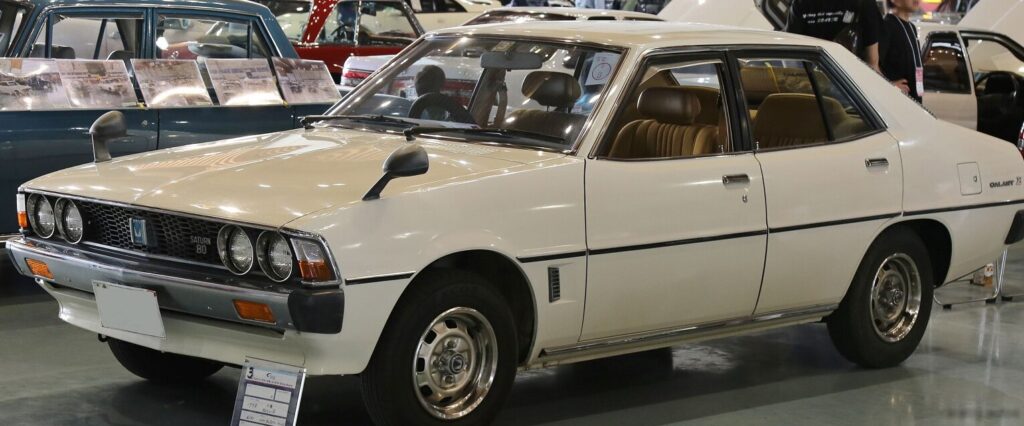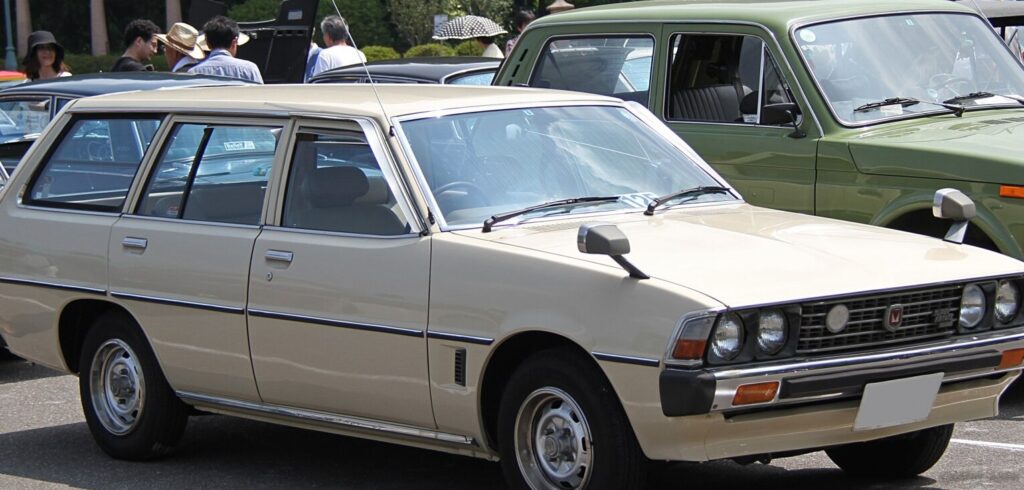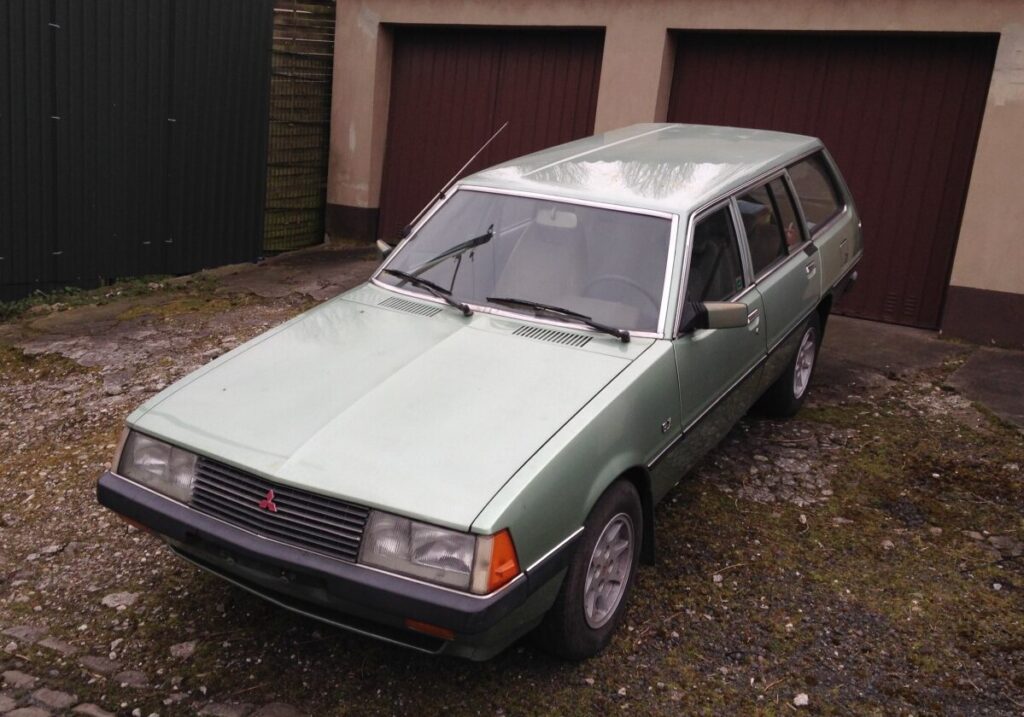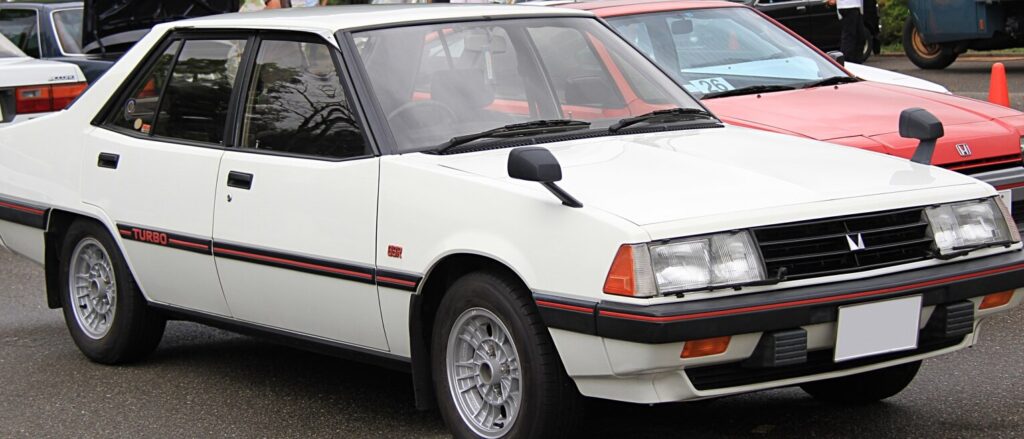
The Mitsubishi Galant IV 2.3 Turbo-D (A167), producing 84 horsepower, was a variant of the fourth-generation Galant, manufactured between 1980 and 1984. This model represented a relatively uncommon offering within the Galant IV lineup, positioned as a fuel-conscious alternative to the larger displacement, naturally aspirated engines available. The Galant IV, internally designated as the A167 series, was a significant step forward for Mitsubishi, offering a more refined and spacious package compared to its predecessors. The 2.3 Turbo-D aimed to provide a balance between performance and economy, leveraging turbocharging technology to extract reasonable power from a modestly sized engine.
The powertrain of the Galant IV 2.3 Turbo-D centered around the 4G63 engine, a 2.3-liter inline-four cylinder. While the 4G63 family would become renowned for its performance potential in later Mitsubishi models like the Eclipse and Lancer Evolution, this early iteration was configured with a turbocharger and intercooler to boost output. The engine utilized a single overhead camshaft (SOHC) valvetrain and a carburetor fuel delivery system, common for the era. The turbocharger, a Garrett unit, provided forced induction, increasing the engine’s power output compared to naturally aspirated versions. The A167 typically paired this engine with a three-speed automatic transmission, designed for smooth, if not particularly sporty, operation. The transmission was chosen to appeal to buyers prioritizing comfort and ease of driving over outright performance.
Driving the 2.3 Turbo-D Galant IV offered a distinctly different experience compared to its siblings. While the 84 horsepower output wasn’t substantial, the turbocharger provided a noticeable boost in acceleration, particularly in the mid-range. However, turbo lag was present, meaning there was a slight delay between pressing the accelerator and feeling the full effect of the boost. The three-speed automatic transmission featured relatively tall gear ratios, prioritizing fuel economy over rapid acceleration. Compared to the available five-speed manual transmission offered with other Galant IV engines, the automatic version felt less engaging and responsive. The 2.3 Turbo-D was not intended to be a performance leader; instead, it aimed to deliver adequate power for everyday driving with improved fuel efficiency compared to larger-displacement alternatives.
Trim levels for the 2.3 Turbo-D Galant IV were relatively basic, reflecting its position as a more affordable option. Standard equipment typically included cloth upholstery, a basic AM/FM radio, and manual windows and locks. Air conditioning was often an optional extra. The dashboard layout was functional and straightforward, with a focus on practicality rather than luxury. Available options included upgraded sound systems, power windows, and a sunroof. Interior color schemes were generally conservative, with shades of blue, gray, and brown being common. The overall interior ambiance was typical of Japanese sedans of the early 1980s – durable, functional, and modestly appointed.
The Galant IV chassis featured independent front suspension with MacPherson struts and a solid rear axle with leaf springs. This configuration provided a comfortable ride, although handling was not as sharp as some of its European competitors. Braking systems varied depending on the specific market and trim level. Many 2.3 Turbo-D models were equipped with front disc brakes and rear drum brakes. Power steering was often included as standard equipment, making maneuvering easier, particularly in urban environments. Stabilizer bars were typically fitted to the front suspension to reduce body roll during cornering. The suspension tuning was geared towards providing a comfortable and compliant ride, prioritizing passenger comfort over sporty handling.
Contemporary reviews of the Galant IV 2.3 Turbo-D were generally positive, praising its fuel efficiency and comfortable ride. Critics noted that the engine, while adequate, lacked the punch of the larger displacement options. The automatic transmission was seen as a good match for the engine, providing smooth shifts but not encouraging spirited driving. Reliability was generally considered good, although the turbocharger system added a layer of complexity compared to naturally aspirated engines. Fuel economy was a key selling point, particularly in the wake of the oil crises of the 1970s. Compared to the 2.6-liter and 2.8-liter versions of the Galant IV, the 2.3 Turbo-D offered a noticeable improvement in fuel efficiency without a significant sacrifice in performance.
| Brand | Mitsubishi |
| Model | Galant |
| Generation | Galant IV |
| Type (Engine) | 2.3 Turbo-D (A167) (84 Hp) |
| Start of production | 1980 |
| End of production | 1984 |
| Powertrain Architecture | Internal Combustion engine |
| Body type | Sedan |
| Fuel Type | Petrol (Gasoline) |
| Power | 84 Hp |
| Engine aspiration | Turbocharger |
| Engine Displacement | 2.3 Liters |
| Transmission | 3-Speed Automatic |
Today, the Mitsubishi Galant IV 2.3 Turbo-D is a relatively rare sight. Its long-term reliability has proven to be generally good, although finding parts for the turbocharger system can be challenging. The 4G63 engine, even in this early form, is known for its durability. Well-maintained examples are sought after by collectors and enthusiasts interested in classic Japanese automobiles. The 2.3 Turbo-D represents a unique chapter in the Galant’s history, showcasing Mitsubishi’s early efforts to combine turbocharging technology with fuel efficiency in a mainstream sedan. Its legacy lies in its contribution to the evolution of the 4G63 engine and its role as a fuel-conscious alternative in a market increasingly focused on economy.