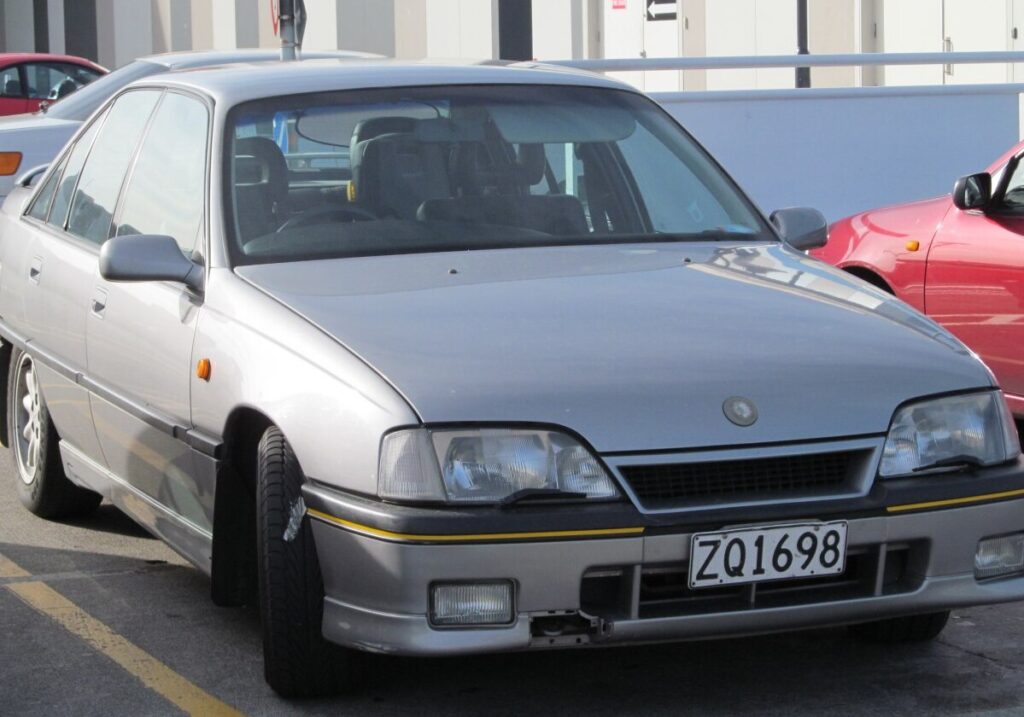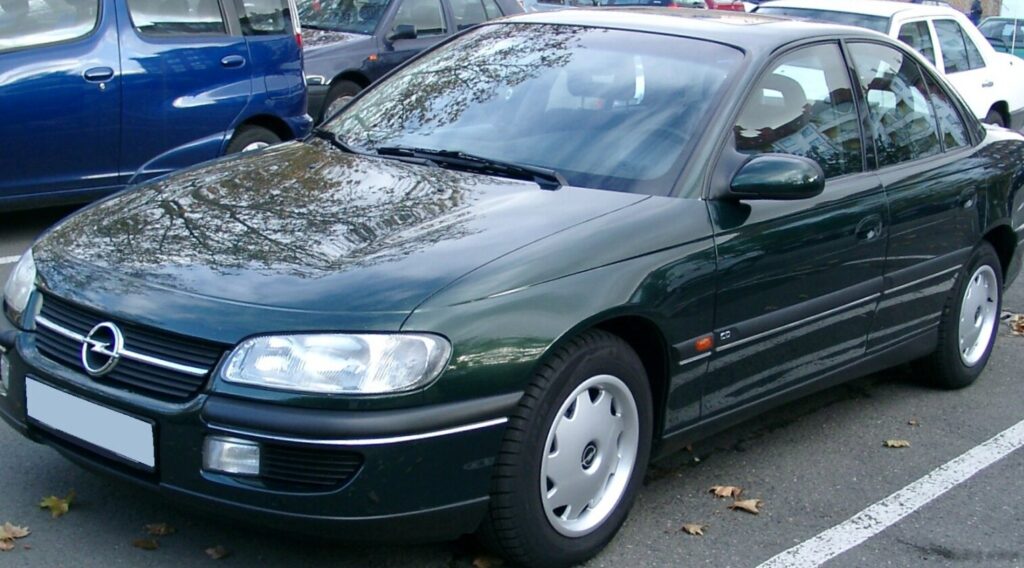
The Opel Omega B 2.0i 16V Automatic, produced between April 1994 and July 1999, represented a mid-range offering within the Omega B generation (1994-2003). Positioned as a comfortable and practical executive sedan, it aimed to provide a balance between performance, fuel economy, and affordability within the Omega B lineup, which also included more powerful six-cylinder variants and diesel options. The Omega B itself was a significant model for Opel, representing a move upmarket and offering a spacious and well-equipped vehicle aimed at competing with rivals like the Ford Scorpio and BMW 5 Series.
The heart of the 2.0i 16V was the X20XEV engine, a 1998cc (121.93 cu. in.) inline four-cylinder gasoline engine. This engine featured multi-port fuel injection and a double overhead camshaft (DOHC) valvetrain operating 16 valves. The X20XEV was known for its relatively smooth operation and decent power output for its displacement. It produced 136 horsepower at 5600 rpm and 185 Nm (136.45 lb-ft) of torque at 4000 rpm. Paired with this engine was a four-speed automatic transmission, which was a popular choice for buyers prioritizing ease of driving over outright performance. The engine’s longitudinal front-engine layout contributed to the Omega B’s balanced handling characteristics.
In real-world driving, the 2.0i 16V Automatic offered adequate performance for everyday use. Acceleration from 0 to 100 km/h (0-62 mph) took approximately 13 seconds, and it could reach a top speed of 195 km/h (121.17 mph). Compared to the more potent V6 models, the 2.0i felt noticeably slower, particularly during overtaking maneuvers. However, the automatic transmission provided smooth gear changes, making it a comfortable cruiser. The gear ratios were tuned for fuel efficiency and relaxed driving rather than sporty acceleration. Manual transmission versions of the 2.0i 16V offered slightly quicker acceleration and better fuel economy, but the automatic was favored by many for its convenience.
The 2.0i 16V Automatic typically came equipped with a reasonable level of standard features. Interior upholstery was generally cloth, although leather was available as an option. Dashboard configuration was functional and straightforward, with a focus on ergonomics. Standard equipment often included power windows, central locking, and an AM/FM radio. Optional extras could include air conditioning, a sunroof, upgraded audio systems, and alloy wheels. The Omega B was known for its spacious interior, offering ample legroom and headroom for both front and rear passengers.
The Omega B 2.0i 16V utilized a coil spring suspension system for both the front and rear axles. Front brakes were ventilated discs, providing good stopping power, while rear brakes were solid discs. The car was equipped with ABS (Anti-lock Braking System) as standard, enhancing safety. Steering was hydraulic power steering, offering a light and responsive feel. The car rode on 195/65 R15 tires mounted on 6.5J x 15 inch wheel rims. The suspension was tuned for comfort, providing a relatively smooth ride over most road surfaces.
Contemporary reviews of the Opel Omega B 2.0i 16V Automatic generally praised its comfort, spaciousness, and build quality. However, critics often noted that the 2.0-liter engine felt somewhat underpowered for a car of the Omega B’s size and weight. Fuel economy was considered average for the class, with combined consumption figures around 9.1 l/100 km (25.8 US mpg). Compared to the V6 models, the 2.0i offered better fuel efficiency but significantly less performance. Reliability was generally good, although some owners reported minor issues with the automatic transmission over time. The Omega B 2.0i 16V aimed to appeal to buyers seeking a comfortable and practical executive sedan without the higher price tag of the more powerful variants.
| Engine Model/Code | X20XEV |
| Engine displacement | 1998 cm3 (121.93 cu. in.) |
| Number of cylinders | 4, Inline |
| Power | 136 Hp @ 5600 rpm |
| Torque | 185 Nm @ 4000 rpm (136.45 lb.-ft. @ 4000 rpm) |
| Fuel Type | Petrol (Gasoline) |
| Fuel consumption (urban) | 12.7 l/100 km (18.5 US mpg) |
| Fuel consumption (extra urban) | 6.7 l/100 km (35.1 US mpg) |
| Fuel consumption (combined) | 9.1 l/100 km (25.8 US mpg) |
| Acceleration 0 – 100 km/h | 13 sec |
| Acceleration 0 – 62 mph | 13 sec |
| Maximum speed | 195 km/h (121.17 mph) |
| Kerb Weight | 1551 kg (3419.37 lbs.) |
| Max. weight | 2010 kg (4431.29 lbs.) |
| Trunk (boot) space (minimum) | 530 l (18.72 cu. ft.) |
| Trunk (boot) space (maximum) | 830 l (29.31 cu. ft.) |
| Fuel tank capacity | 75 l (19.81 US gal) |
| Transmission | 4 gears, automatic transmission |
| Emission standard | Euro 2 |
Today, the Opel Omega B 2.0i 16V Automatic is a relatively affordable classic car. The X20XEV engine is generally considered reliable, although regular maintenance is essential. Parts availability can be a challenge, as the Omega B is no longer in production. However, a dedicated community of enthusiasts exists, and parts can often be sourced through online forums and specialist suppliers. The automatic transmission, while comfortable, may require attention as it ages. Overall, the 2.0i 16V Automatic offers a comfortable and spacious driving experience for those seeking a classic European sedan.