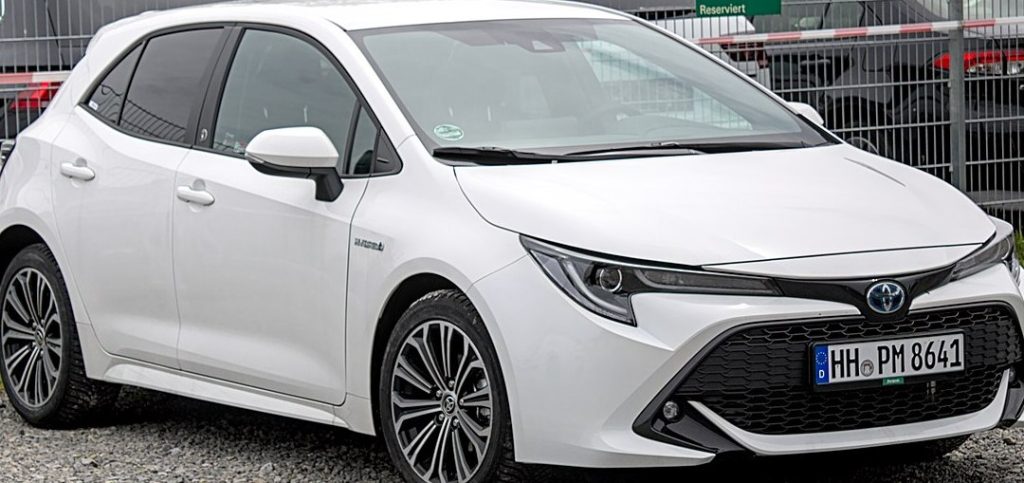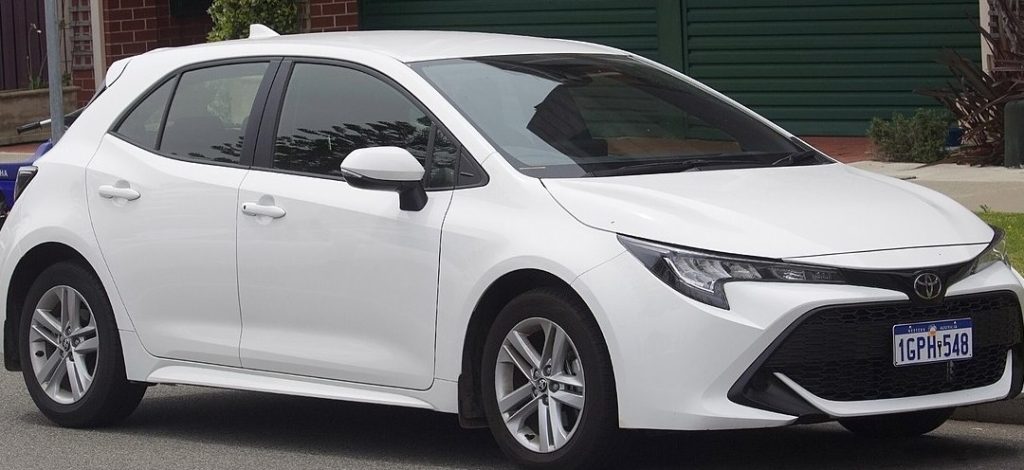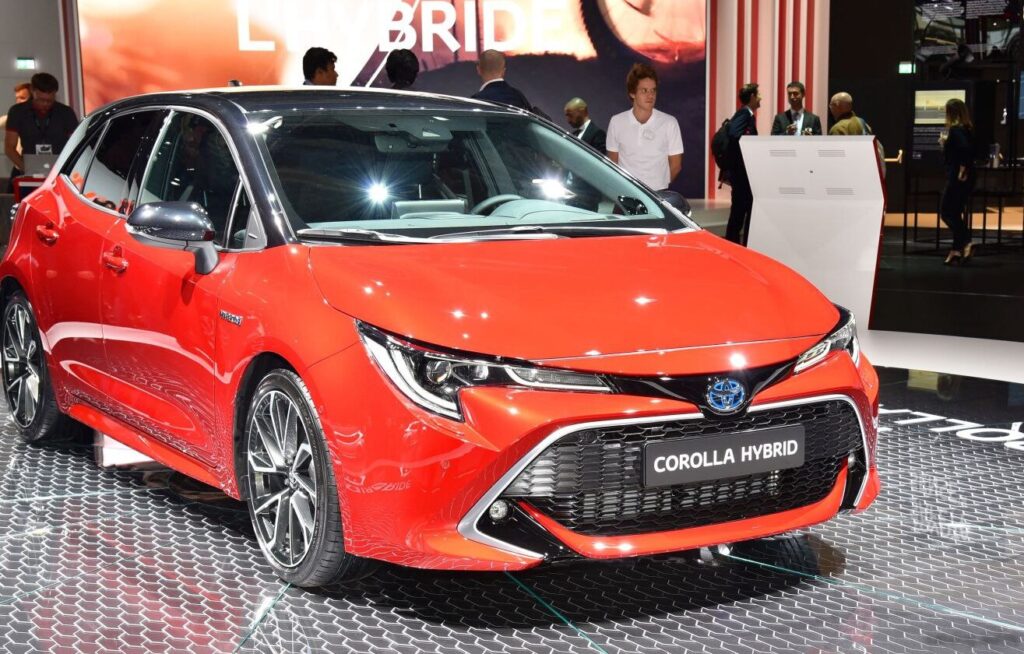
The Toyota Corolla Hatchback XII, designated the E210 series, was introduced in 2019 as a replacement for the previous E160 generation. The 1.2 D-4T variant, producing 116 horsepower and paired with a CVT-i (Continuously Variable Transmission with intelligence) automatic, represented an entry-level offering within the E210 lineup in many markets. Positioned below the more powerful 1.8 Hybrid and 2.0L gasoline models, this version aimed to provide a balance of fuel efficiency, affordability, and practicality for everyday commuting. Production of this specific configuration ran from 2019 through 2022, catering to buyers seeking a modern hatchback with Toyota’s reputation for reliability.
The 1.2 D-4T powertrain centers around the 8NR-FTS engine, a 1.2-liter inline-four cylinder gasoline engine. This engine utilizes direct fuel injection and is turbocharged with an intercooler, allowing it to produce a respectable 116 hp at 5200-5600 rpm and 185 Nm (136.45 lb-ft) of torque between 1500-4000 rpm. The turbocharger provides increased power output compared to naturally aspirated engines of similar displacement. The engine’s fuel injection system is designed for precise fuel delivery, optimizing combustion efficiency and reducing emissions. The CVT-i transmission, a key component of this variant, is a continuously variable unit designed to provide smooth, seamless acceleration and maximize fuel economy. Unlike traditional automatic transmissions with fixed gear ratios, a CVT utilizes a belt and pulley system to offer an infinite number of gear ratios within its operating range. The “intelligence” aspect of the CVT-i refers to Toyota’s programming that simulates stepped gear changes for a more familiar driving experience and optimizes shift points based on driving conditions.
In real-world driving, the 1.2L D-4T with the CVT-i delivers adequate performance for urban and highway driving. Acceleration from 0-60 mph takes approximately 9.6 seconds, and 0-100 km/h in 10.1 seconds, making it slower than the higher-powered Corolla Hatchback variants. The CVT transmission prioritizes fuel efficiency, and while it provides smooth acceleration, it may not offer the same level of responsiveness as a traditional automatic or manual transmission. The engine’s torque delivery is relatively flat across a wide rpm range, making it easy to drive in various situations. Compared to the 1.8 Hybrid, the 1.2 D-4T offers a more conventional driving experience, while the 2.0L gasoline engine provides significantly more power and a sportier feel.
The 1.2 D-4T Corolla Hatchback typically came equipped with a standard set of features, including air conditioning, a touchscreen infotainment system with smartphone integration (Apple CarPlay and Android Auto), Toyota Safety Sense (a suite of driver-assistance technologies including pre-collision system, lane departure alert, and automatic high beams), and power windows and locks. Interior upholstery was generally cloth, with optional upgrades to synthetic leather available on some trim levels. Dashboard configuration was consistent across the E210 range, featuring a modern design with a focus on ergonomics. Optional extras included features like a sunroof, upgraded audio system, and parking sensors.
The E210 Corolla Hatchback utilizes a McPherson strut independent suspension in the front and a double wishbone suspension in the rear. This setup provides a comfortable ride quality while maintaining good handling characteristics. Front brakes are ventilated discs, while rear brakes are discs. The vehicle is equipped with ABS (Anti-lock Braking System) as standard. The curb weight of the 1.2 D-4T variant ranges from 1310-1340 kg (2888.06 – 2954.19 lbs), influencing its handling and braking performance. Steering is electric power-assisted, providing light and precise steering feel.
Critics generally viewed the 1.2 D-4T Corolla Hatchback as a practical and fuel-efficient option, but noted its relatively modest performance. Fuel economy figures are rated at 7.7 l/100 km (30.5 US mpg) in urban conditions and 5.5 l/100 km (42.8 US mpg) in extra-urban driving. Reliability was a strong point, consistent with Toyota’s reputation. Compared to the 1.8 Hybrid, the 1.2 D-4T offered lower running costs due to the absence of hybrid components, but the hybrid provided superior fuel economy. The 2.0L gasoline engine was praised for its performance, but at the expense of fuel efficiency.
| Engine Model/Code | 8NR-FTS |
| Engine Displacement | 1196 cm3 (72.98 cu. in.) |
| Number of Cylinders | 4, Inline |
| Cylinder Bore | 71.5 mm (2.81 in.) |
| Piston Stroke | 74.5 mm (2.93 in.) |
| Fuel Injection System | Direct Injection |
| Engine Aspiration | Turbocharger, Intercooler |
| Maximum Power | 116 Hp @ 5200-5600 rpm |
| Maximum Torque | 185 Nm (136.45 lb.-ft.) @ 1500-4000 rpm |
| Fuel Consumption (Urban) | 7.7 l/100 km (30.5 US mpg) |
| Fuel Consumption (Extra Urban) | 5.5 l/100 km (42.8 US mpg) |
| Acceleration 0-100 km/h | 10.1 sec |
| Acceleration 0-60 mph | 9.6 sec |
| Maximum Speed | 195 km/h (121.17 mph) |
| Kerb Weight | 1310-1340 kg (2888.06 – 2954.19 lbs.) |
| Fuel Tank Capacity | 50 l (13.21 US gal) |
| Transmission | CVT-i Automatic |
The 1.2 D-4T powertrain has proven to be generally reliable, with few widespread issues reported. The CVT-i transmission, when properly maintained, is known for its durability. On the used car market, this variant represents an affordable entry point into the E210 Corolla Hatchback range. Its fuel efficiency and Toyota’s reputation for reliability make it an attractive option for buyers seeking a practical and economical hatchback. However, potential buyers should be aware of its relatively modest performance compared to higher-powered variants and ensure the CVT transmission has been serviced according to Toyota’s recommended maintenance schedule.