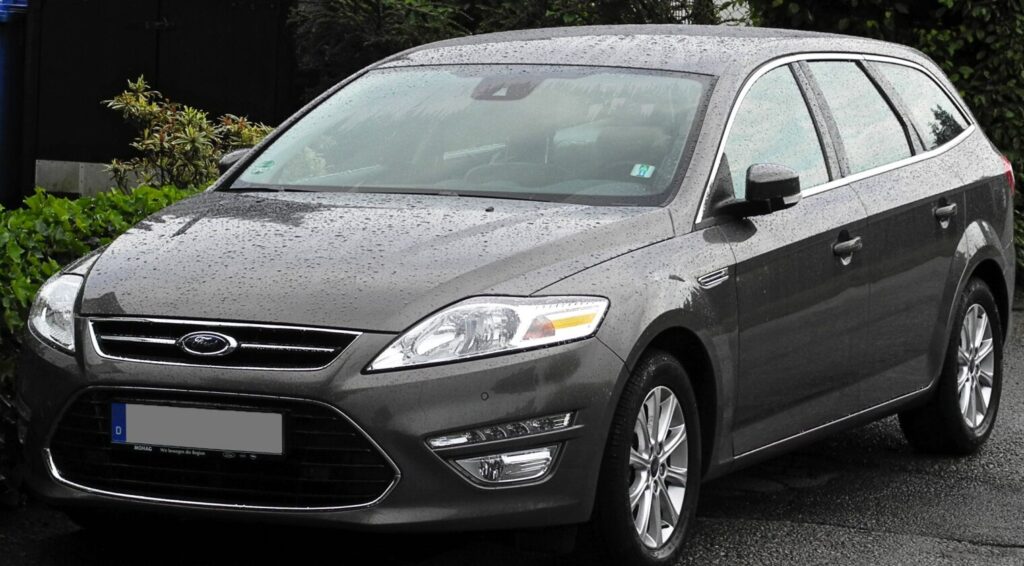
The Ford Mondeo III Wagon, specifically the facelifted version produced from 2010 to 2014, represented a significant evolution of Ford’s mid-size family car. Within the Mondeo III range (internally designated as the B5Y platform), the 2.0 TDCI 140 horsepower variant with the PowerShift dual-clutch transmission occupied a crucial middle ground. It aimed to balance fuel efficiency, reasonable performance, and affordability, appealing to buyers seeking a practical and comfortable estate car. This version was positioned as a step up from the lower-powered 1.6-liter gasoline and diesel options, while remaining more accessible than the flagship 2.2-liter TDCi or the higher-specification trims.
The 2.0 TDCI PowerShift Powertrain
At the heart of this Mondeo variant lies the Ford Duratorq 2.0-liter turbocharged diesel engine, bearing the engine code UFBA. This engine is a four-cylinder, inline configuration, utilizing a common-rail direct fuel injection system. The Duratorq engine family was known for its robust construction and relatively straightforward maintenance. The UFBA version produced 140 hp at 3750 rpm and a substantial 320 Nm (236 lb-ft) of torque between 1750 and 2750 rpm. This torque band provided good flexibility for everyday driving and overtaking maneuvers.
The key differentiating factor for this trim was the six-speed PowerShift transmission. This wasn’t a traditional automatic; it was a dual-clutch transmission (DCT) offering the efficiency of a manual gearbox with the convenience of automatic operation. The PowerShift utilized two separate clutches, one for odd-numbered gears and one for even-numbered gears, allowing for seamless and rapid gear changes. While offering a sportier feel than a conventional automatic, the PowerShift transmission did experience some reliability concerns in certain production years, particularly related to clutch pack wear and valve body issues, which will be discussed later.
Engine Architecture Details
The UFBA engine featured a cast iron block and aluminum cylinder head. It employed four valves per cylinder, contributing to its efficient combustion process. The turbocharger, coupled with an intercooler, significantly boosted power output. The common-rail fuel injection system operated at extremely high pressures, ensuring fine atomization of the fuel for optimal combustion. The compression ratio was relatively high at 17.9:1, typical for a diesel engine designed for efficiency and power. The engine also incorporated a diesel particulate filter (DPF) to meet stringent Euro 5 emission standards.
Driving Characteristics
The 2.0 TDCI PowerShift Mondeo Wagon offered a comfortable and refined driving experience. The engine provided ample torque for relaxed cruising and effortless acceleration in most situations. The PowerShift transmission contributed to a responsive feel, with quick shifts when driven enthusiastically. However, it wasn’t without its quirks. Some drivers reported occasional low-speed jerkiness or hesitation, particularly during parking maneuvers. Compared to the manual transmission versions of the 2.0 TDCI, the PowerShift offered greater convenience but slightly diminished fuel economy. Against the more powerful 2.2-liter TDCi, the 2.0 TDCI felt less urgent in its acceleration, but the difference was often negligible in real-world driving conditions. The gear ratios were tuned to prioritize fuel efficiency and mid-range performance, making it well-suited for long-distance journeys.
Equipment & Trim Levels
The 2.0 TDCI PowerShift Mondeo Wagon was typically offered in mid-range trim levels, such as Zetec or Titanium. Standard equipment generally included air conditioning, power windows, power mirrors, a CD/radio system with auxiliary input, and alloy wheels. Safety features like ABS, electronic stability control (ESP), and multiple airbags were also standard. Higher-specification Titanium models added features like automatic climate control, rain-sensing wipers, rear parking sensors, and upgraded interior trim. Optional extras included a panoramic sunroof, leather upholstery, a navigation system, and a premium sound system. Interior upholstery was typically cloth, although leather was available as an upgrade. The dashboard layout was functional and well-designed, with clear instrumentation and intuitive controls.
Chassis & Braking
The Mondeo III Wagon featured independent suspension on both the front and rear axles. The front suspension utilized a McPherson strut design with coil springs and an anti-roll bar, while the rear suspension employed a multi-link setup, also with coil springs and a stabilizer bar. This suspension configuration provided a good balance between ride comfort and handling. The braking system consisted of ventilated discs on the front wheels and solid discs on the rear wheels. ABS (Anti-lock Braking System) was standard, enhancing braking performance and stability. The steering was rack and pinion, providing precise and responsive control.
Market Reception & Comparison
The 2.0 TDCI PowerShift Mondeo Wagon was generally well-received by automotive critics. It was praised for its fuel efficiency, comfortable ride, and spacious interior. The PowerShift transmission was seen as a positive feature, offering a more engaging driving experience than a traditional automatic. However, concerns were raised about the long-term reliability of the PowerShift transmission, with reports of clutch failures and other issues. Compared to other vehicles in its class, such as the Volkswagen Passat Estate and the Opel/Vauxhall Insignia Sports Tourer, the Mondeo offered a competitive package in terms of price, space, and equipment. Fuel economy figures were competitive, with combined fuel consumption averaging around 5.6 l/100 km (42 US mpg).
Technical Specifications
| Engine Type | 2.0 TDCI Duratorq |
| Engine Code | UFBA |
| Engine Displacement | 1997 cm³ (121.86 cu in) |
| Number of Cylinders | 4, Inline |
| Power Output | 140 hp @ 3750 rpm |
| Torque Output | 320 Nm (236 lb-ft) @ 1750-2750 rpm |
| Fuel Injection | Diesel Commonrail |
| Turbocharger | Yes, with Intercooler |
| Compression Ratio | 17.9:1 |
| Transmission | 6-speed PowerShift (Dual-Clutch) |
| Drive Type | Front Wheel Drive |
| Kerb Weight | 1592 kg (3509.76 lbs) |
| Maximum Weight | 2335 kg (5147.79 lbs) |
| Fuel Consumption (Urban) | 7.2 l/100 km (32.7 US mpg) |
| Fuel Consumption (Extra Urban) | 4.7 l/100 km (50 US mpg) |
| Fuel Consumption (Combined) | 5.6 l/100 km (42 US mpg) |
| CO2 Emissions | 149 g/km |
| Acceleration 0-100 km/h | 10.4 sec |
| Maximum Speed | 200 km/h (124.27 mph) |
Legacy
The 2.0 TDCI PowerShift Mondeo Wagon remains a popular choice in the used car market. Its combination of practicality, fuel efficiency, and affordability makes it an attractive option for families and individuals seeking a versatile estate car. However, potential buyers should be aware of the potential reliability issues associated with the PowerShift transmission. Regular maintenance, including fluid changes, is crucial to prolonging the life of the transmission. While the UFBA engine itself is generally reliable, it’s important to check for signs of DPF issues, particularly if the vehicle has primarily been used for short journeys. Overall, the 2.0 TDCI PowerShift Mondeo Wagon represents a well-rounded and capable vehicle that continues to offer good value for money.