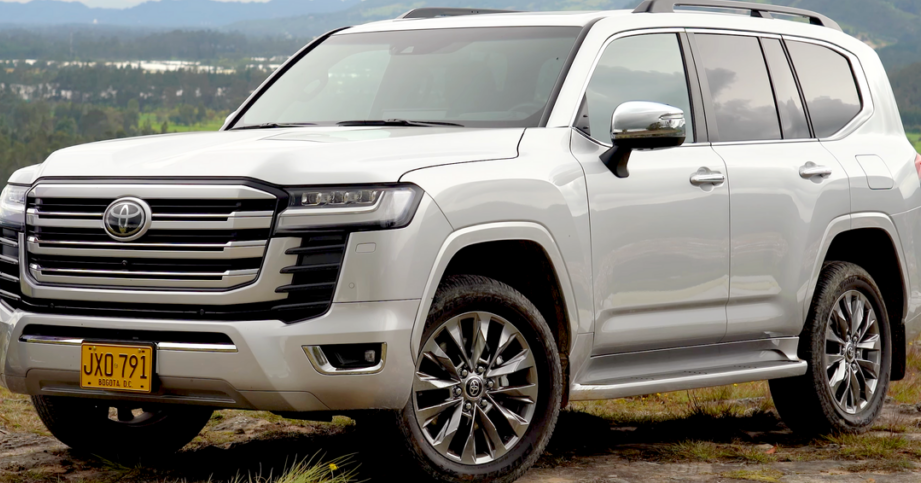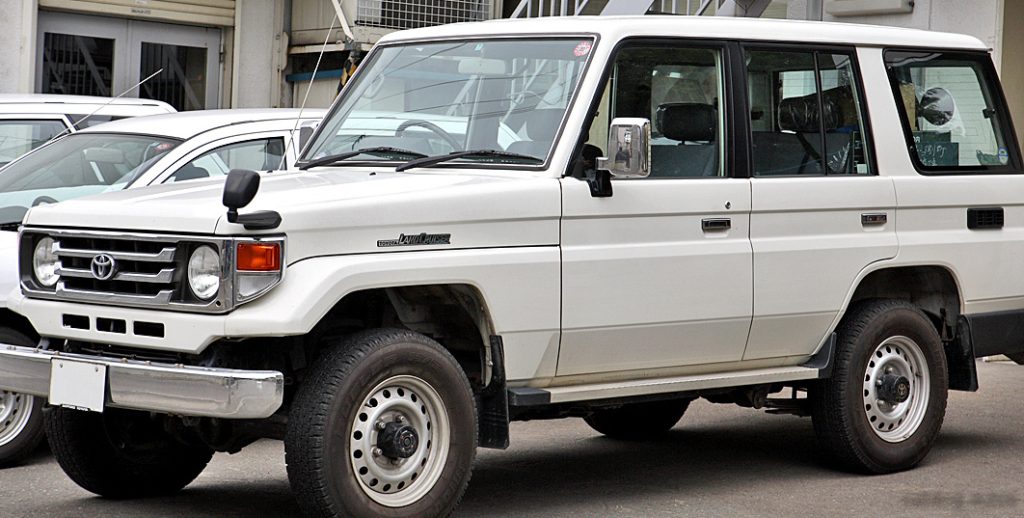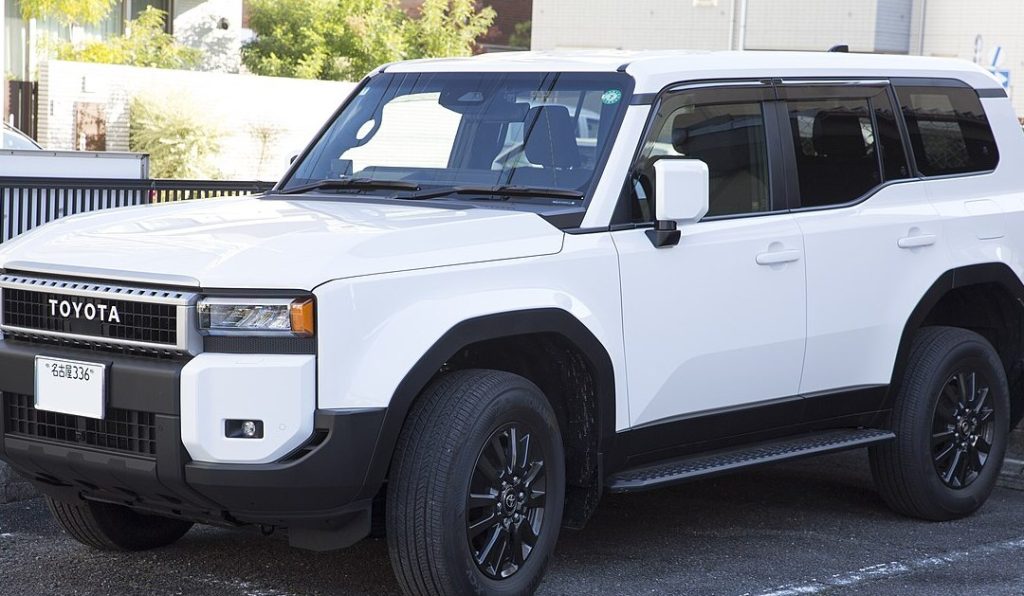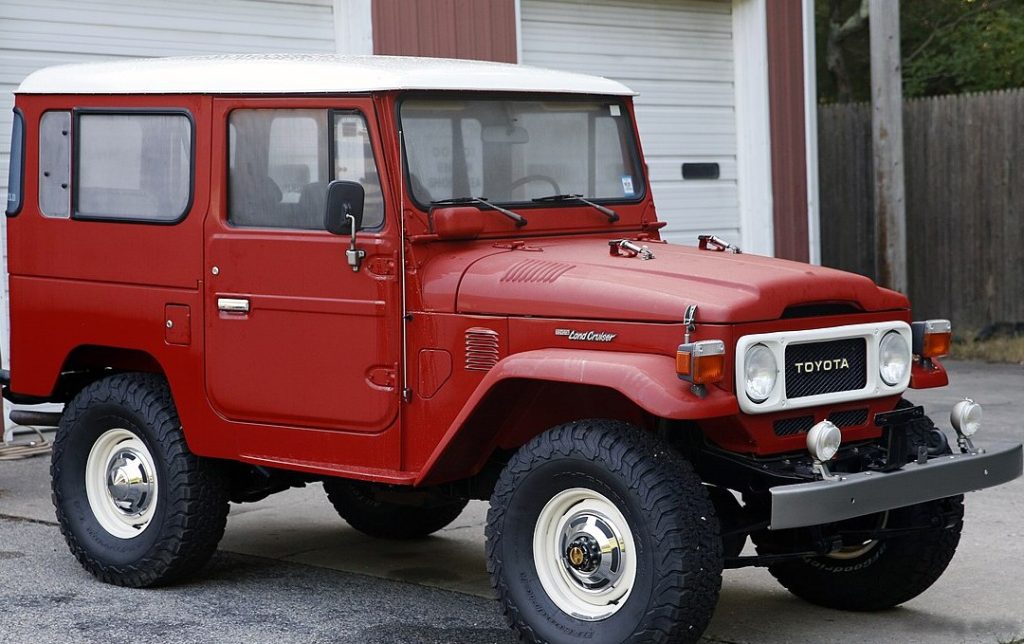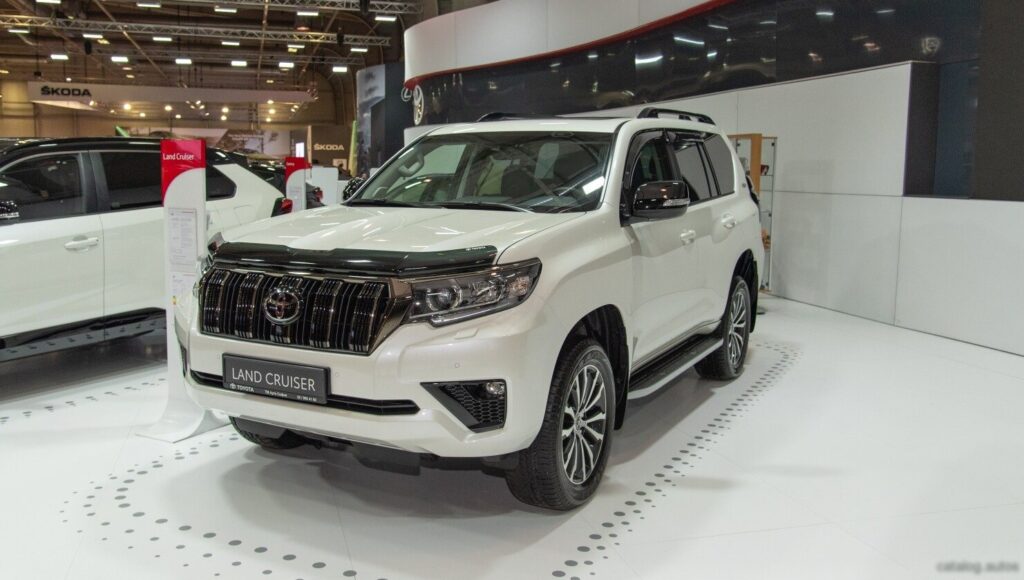
The Toyota Land Cruiser Prado (J150 series, post-2017 facelift) is a mid-size SUV produced by Toyota. Introduced in 2017 and continuing through October 2023, this iteration of the Prado offered a range of engines and configurations globally. This article focuses specifically on the 5-door model equipped with the 2.7-liter 2TR-FE gasoline engine producing 163 horsepower, paired with a five-speed manual transmission and a four-wheel-drive system. This variant occupied a position as the entry-level Prado in many markets, offering a balance of capability and affordability, particularly appealing to buyers prioritizing durability and off-road potential over outright performance.
Powertrain & Engine Architecture
The heart of this Prado variant is the 2TR-FE engine, a 2.7-liter (2694 cc) inline-four cylinder gasoline engine. This engine is a long-running Toyota design, known for its robustness and relatively simple construction. It features a cast iron block and an aluminum cylinder head, incorporating Toyota’s Variable Valve Timing-intelligent (VVT-i) system for improved efficiency and power delivery across the rev range. The 2TR-FE utilizes a multi-port fuel injection system, delivering fuel directly into the intake ports. Bore and stroke are both 95mm, resulting in a compression ratio of 10.2:1. The engine produces 163 hp at 5200 rpm and 246 Nm (181.44 lb-ft) of torque at 3900 rpm.
The transmission is a five-speed manual gearbox. While not as modern as six or eight-speed automatics found in some competitors, this transmission is known for its durability and straightforward operation. The manual transmission allows for greater driver control, particularly useful in off-road situations. The four-wheel-drive system is a part-time system, allowing the driver to switch between two-wheel drive and four-wheel drive modes as needed. A low-range gear is also available for enhanced off-road capability.
Driving Characteristics
The 163 hp 2.7L Prado with a manual transmission delivers adequate, but not exhilarating, performance. Acceleration from 0-100 km/h (0-62 mph) takes approximately 13.8 seconds. The engine’s torque peak at 3900 rpm provides reasonable pulling power for everyday driving and moderate off-road conditions. However, when fully loaded with passengers and cargo, or tackling steep inclines, the engine can feel strained. The five-speed manual transmission’s gear ratios are spaced to prioritize fuel economy and low-end torque, rather than outright acceleration. Compared to the more powerful 4.0-liter V6 versions of the Prado, this 2.7L variant feels significantly less responsive. The manual transmission provides a more engaging driving experience than an automatic, allowing drivers to better control engine speed and torque delivery, especially beneficial when navigating challenging terrain.
Equipment & Trim Levels
The 2.7L Prado typically served as the base model in many markets, and as such, came with a standard equipment list focused on functionality and durability. Standard features generally included air conditioning, power windows, power door locks, and a basic audio system. Interior upholstery was typically cloth, with durable plastic trim. Safety features included ABS (Anti-lock Braking System) and airbags. Optional extras varied by region but commonly included alloy wheels, a sunroof, upgraded audio systems, and parking sensors. Higher trim levels, such as the TX and TZ, added features like leather upholstery, automatic climate control, and advanced safety systems. The 2.7L Prado was often chosen by buyers who prioritized off-road capability and reliability over luxury features.
Chassis & Braking
The Prado J150 utilizes a body-on-frame construction, providing excellent durability and off-road capability. The front suspension consists of a double wishbone setup, while the rear suspension employs a dependent, multi-link spring system with telescopic shock absorbers. This suspension configuration is designed to provide a comfortable ride on paved roads while maintaining excellent articulation for off-road use. Braking duties are handled by ventilated discs on all four wheels, providing adequate stopping power for the vehicle’s weight. The steering system is a rack and pinion type with electric power steering, offering a balance of precision and ease of use. Tire sizes varied depending on the market and trim level, with common options including 265/65 R17 and 245/70 R17.
Market Reception & Comparison
The 2.7L Prado was generally well-received as a capable and reliable SUV, particularly in markets where fuel efficiency and affordability were key considerations. Critics often praised its durability and off-road prowess, but noted its relatively modest performance compared to larger-engined rivals. Fuel economy was rated at 12.3 l/100 km (19.1 US mpg), which was reasonable for a vehicle of its size and capability, but not class-leading. Compared to the 4.0L V6 Prado, the 2.7L version offered significantly better fuel economy, but at the expense of performance. The 2.7L Prado also offered a more affordable entry point into the Land Cruiser Prado range, making it accessible to a wider range of buyers. Its simplicity and robust design contributed to its reputation for reliability, making it a popular choice for those seeking a long-lasting and dependable SUV.
Technical Specifications
| Brand | Toyota |
| Model | Land Cruiser Prado |
| Generation | Land Cruiser Prado (J150, facelift 2017) 5-door |
| Type (Engine) | 2.7 (163 Hp) 4WD |
| Start of production | 2017 |
| End of production | October, 2023 |
| Powertrain Architecture | Internal Combustion engine |
| Body type | SUV |
| Seats | 5-7 |
| Doors | 5 |
| Fuel consumption (combined) | 12.3 l/100 km (19.1 US mpg, 23 UK mpg, 8.1 km/l) |
| CO2 emissions | 288 g/km |
| Fuel Type | Petrol (Gasoline) |
| Acceleration 0 – 100 km/h | 13.8 sec |
| Acceleration 0 – 62 mph | 13.8 sec |
| Acceleration 0 – 60 mph | 13.1 sec |
| Maximum speed | 165 km/h (102.53 mph) |
| Emission standard | Euro 6 |
| Weight-to-power ratio | 12.9 kg/Hp, 77.8 Hp/tonne |
| Weight-to-torque ratio | 8.5 kg/Nm, 117.4 Nm/tonne |
| Power | 163 Hp @ 5200 rpm |
| Power per litre | 60.5 Hp/l |
| Torque | 246 Nm @ 3900 rpm (181.44 lb.-ft. @ 3900 rpm) |
| Engine layout | Front, Longitudinal |
| Engine Model/Code | 2TR-FE |
| Engine displacement | 2694 cm3 (164.4 cu. in.) |
| Number of cylinders | 4 |
| Engine configuration | Inline |
| Cylinder Bore | 95 mm (3.74 in.) |
| Piston Stroke | 95 mm (3.74 in.) |
| Compression ratio | 10.2:1 |
| Number of valves per cylinder | 4 |
| Fuel injection system | Multi-port manifold injection |
| Engine aspiration | Naturally aspirated engine |
| Valvetrain | VVT-i |
| Engine oil capacity | 5.6 l (5.92 US qt | 4.93 UK qt) |
| Coolant | 8.3 l (8.77 US qt | 7.3 UK qt) |
| Kerb Weight | 2095 kg (4618.68 lbs.) |
| Max. weight | 2850 kg (6283.17 lbs.) |
| Max load | 755 kg (1664.49 lbs.) |
| Trunk (boot) space – minimum | 621 l (21.93 cu. ft.) |
| Trunk (boot) space – maximum | 1934 l (68.3 cu. ft.) |
| Fuel tank capacity | 87 l (22.98 US gal | 19.14 UK gal) |
| Permitted trailer load with brakes (12%) | 1500 kg (3306.93 lbs.) |
| Permitted trailer load without brakes | 750 kg (1653.47 lbs.) |
| Length | 4840 mm (190.55 in.) |
| Width | 1855 mm (73.03 in.) |
| Height | 1845 mm (72.64 in.) |
| Wheelbase | 2790 mm (109.84 in.) |
| Front track | 1585 mm (62.4 in.) |
| Rear (Back) track | 1585 mm (62.4 in.) |
| Ride height (ground clearance) | 215 mm (8.46 in.) |
Legacy
The 2.7L Prado with a manual transmission has proven to be a remarkably durable and reliable vehicle. Its relatively simple engine design and robust construction contribute to its longevity. In the used car market, these Prados are often sought after for their affordability and reputation for dependability. While not the fastest or most luxurious option, the 2.7L Prado remains a popular choice for those seeking a capable and reliable SUV for both on-road and off-road adventures. Its simplicity also makes it relatively easy and inexpensive to maintain, further enhancing its appeal in the used car market.