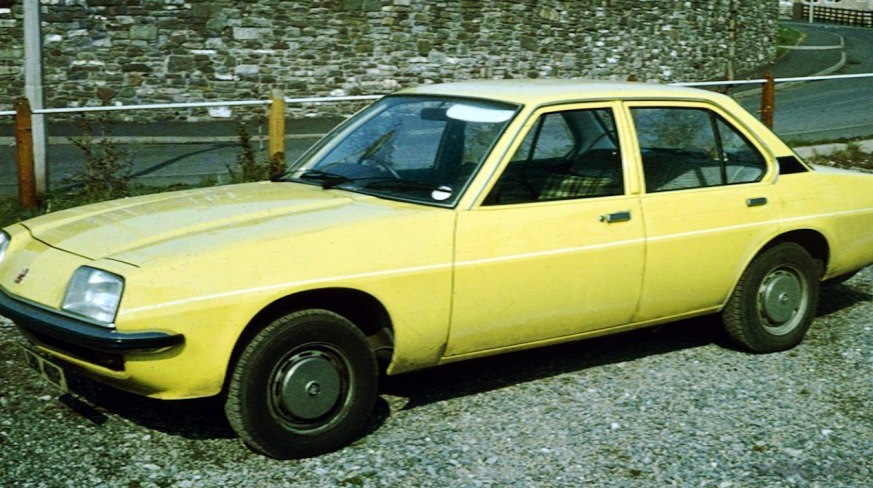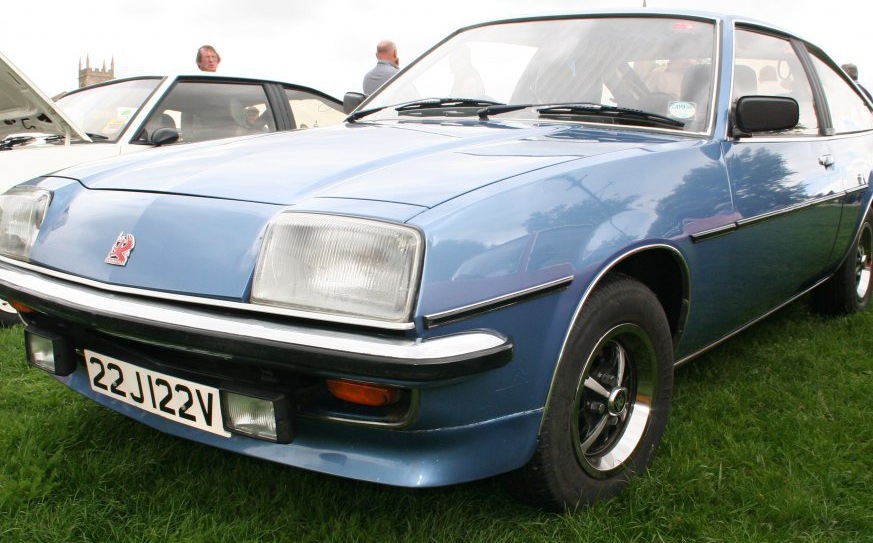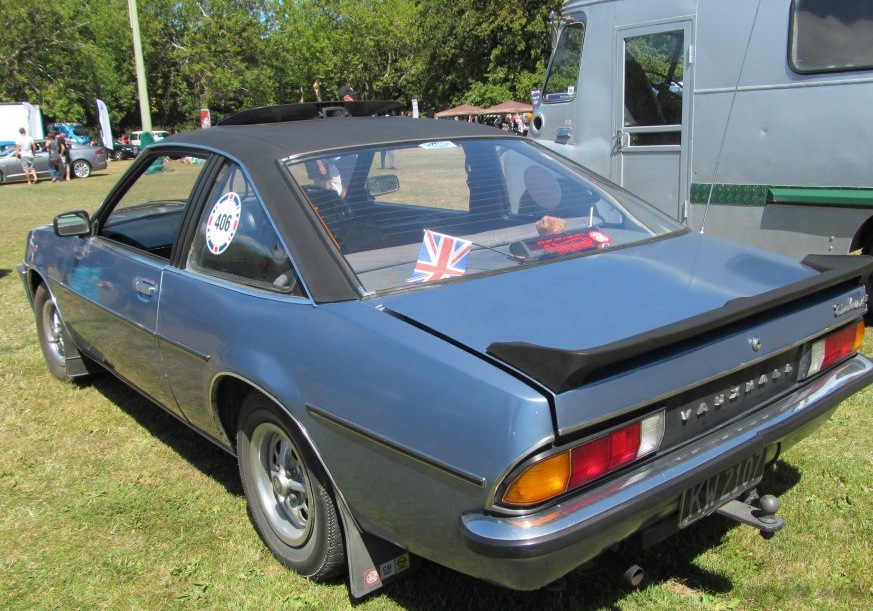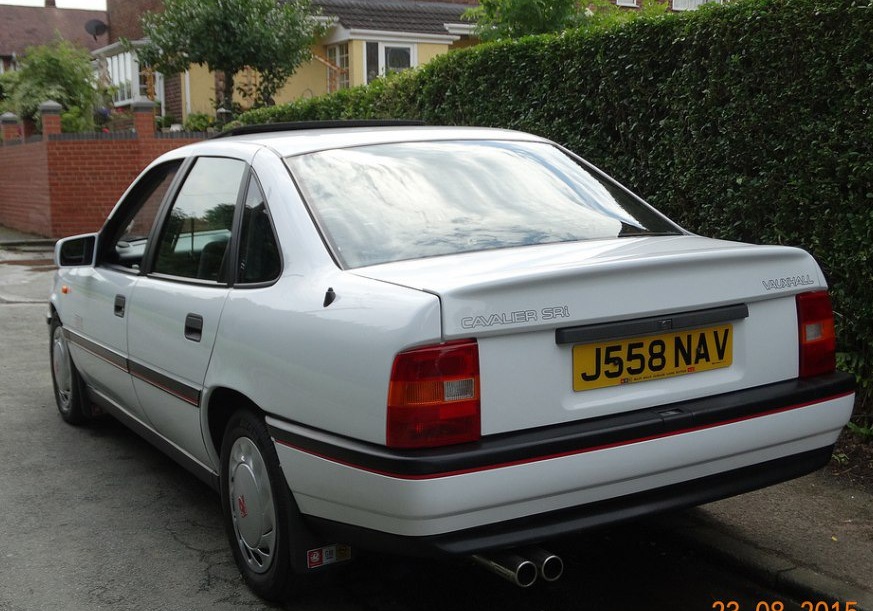
The Vauxhall Cavalier Mk III 2.0i (115 hp) was a mid-range variant of the Mk III Cavalier, produced between 1988 and 1989. Positioned above the base 1.6-liter models and below the more powerful 2.0i SR and later the turbocharged versions, the 2.0i offered a balance of performance and affordability within the lineup. The Mk III Cavalier, based on the GM J-platform (internally known as the 81X/82X series), represented a significant step forward in design and technology for Vauxhall, offering a more modern and aerodynamic profile compared to its predecessor. This generation aimed to compete directly with Ford’s Sierra and other mainstream European family saloons.
Powertrain & Engine Architecture
The heart of the Cavalier 2.0i was the C20NE engine, a 1,998 cc (121.93 cu. in.) inline-four cylinder gasoline engine. This engine was part of Vauxhall/Opel’s ‘Family II’ engine series, known for its robustness and relatively simple design. The C20NE featured a cast iron block and an aluminum cylinder head, utilizing a single overhead camshaft (OHC) valvetrain with two valves per cylinder. Fuel delivery was managed by a Bosch multi-port fuel injection system, providing precise fuel metering for improved efficiency and performance. The engine produced 115 hp (86 kW) at 5,200 rpm and 170 Nm (125.39 lb-ft) of torque at 2,600 rpm.
The 2.0i was exclusively offered with a three-speed automatic transmission (likely the TH700R4, a General Motors design). This transmission was chosen to appeal to buyers prioritizing comfort and ease of driving over outright performance. While the automatic provided smooth shifts, it did impact acceleration compared to the available five-speed manual gearbox. The transmission was front-wheel drive, a standard configuration for the Mk III Cavalier.
Engine Details
- Engine Code: C20NE
- Displacement: 1,998 cc (121.93 cu. in.)
- Compression Ratio: 9.2:1
- Fuel Injection: Multi-port
- Valvetrain: SOHC, 2 valves/cylinder
Driving Characteristics
The Cavalier 2.0i Automatic offered a comfortable, if not particularly sporty, driving experience. The automatic transmission, while smooth, resulted in a noticeable difference in acceleration compared to the manual versions. Zero to 60 mph was achieved in approximately 10 seconds, and 0-100 km/h in 10.5 seconds. Top speed was rated at 130.49 mph (210 km/h). The engine provided adequate power for everyday driving and cruising on motorways, but lacked the responsiveness of the higher-output SR models. The automatic transmission’s gear ratios were geared towards fuel efficiency and relaxed cruising rather than aggressive acceleration. The front-wheel drive configuration provided predictable handling, although it wasn’t as engaging as rear-wheel drive alternatives.
Equipment & Trim Levels
The 2.0i trim level generally offered a step up in features compared to the base models. Standard equipment typically included central locking, electric front windows, a basic stereo system, and upgraded interior trim. Interior upholstery was usually cloth, available in a range of colors. The dashboard layout was functional and straightforward, with clearly marked gauges and controls. Optional extras available for the 2.0i included a sunroof, upgraded stereo systems, and alloy wheels. Air conditioning was also available as an option, though not standard. The trim level aimed to provide a comfortable and well-equipped vehicle for family use.
Chassis & Braking
The Cavalier Mk III utilized an independent McPherson strut suspension system at the front, providing a comfortable ride and reasonable handling. The rear suspension employed a coil spring setup. The 2.0i model typically featured ventilated disc brakes at the front and disc brakes at the rear, offering adequate stopping power for its weight class. Anti-lock braking system (ABS) was available as an option, enhancing safety. The steering was a hydraulic power-assisted rack and pinion system, providing light and precise steering feel. The standard tire size was 195/60 R15, mounted on 15-inch steel wheels, although alloy wheels were available as an optional upgrade.
Market Reception & Comparison
The Cavalier 2.0i Automatic was generally well-received by motoring journalists as a practical and comfortable family saloon. Critics praised its spacious interior, comfortable ride, and relatively affordable price. However, the automatic transmission was often criticized for detracting from the engine’s performance. Compared to the 1.6-liter models, the 2.0i offered a noticeable improvement in power and refinement. In contrast to the 2.0i SR, which featured a sportier suspension and closer gear ratios, the 2.0i prioritized comfort and ease of driving. Fuel economy was respectable for the time, averaging around 33.1 US mpg (39.8 UK mpg) on the combined cycle. Reliability was generally good, although the automatic transmission could be prone to issues if not properly maintained.
Technical Specifications
| Body Type | Sedan, 4 Doors, 5 Seats |
| Engine Displacement | 2.0 l (1998 cm3 / 121.93 cu. in.) |
| Engine Configuration | Inline-4 |
| Fuel Type | Petrol (Gasoline) |
| Power Output | 115 Hp @ 5200 rpm |
| Torque | 170 Nm @ 2600 rpm (125.39 lb.-ft. @ 2600 rpm) |
| Transmission | 3-Speed Automatic |
| Drive Type | Front Wheel Drive |
| Acceleration 0-60 mph | 10 sec (Calculated) |
| Acceleration 0-100 km/h | 10.5 sec |
| Maximum Speed | 210 km/h (130.49 mph) |
| Kerb Weight | 1130 kg (2491.22 lbs.) |
| Fuel Consumption (Urban) | 10.3 l/100 km (22.8 US mpg / 27.4 UK mpg) |
| Fuel Consumption (Extra Urban) | 5.6 l/100 km (42 US mpg / 50.4 UK mpg) |
| Fuel Consumption (Combined) | 7.1 l/100 km (33.1 US mpg / 39.8 UK mpg) |
| Fuel Tank Capacity | 61 l (16.11 US gal / 13.42 UK gal) |
| Trunk Space (Minimum) | 530 l (18.72 cu. ft.) |
| Trunk Space (Maximum) | 840 l (29.66 cu. ft.) |
Legacy
The C20NE engine, found in the Cavalier 2.0i, proved to be a durable and reliable unit when properly maintained. While not known for exceptional performance, it offered a good balance of power and economy. The three-speed automatic transmission, however, is often considered the weak link in the drivetrain, and examples requiring repair are not uncommon today. In the used car market, the Cavalier 2.0i Automatic is generally sought after by enthusiasts looking for a classic 1980s saloon. Values tend to be lower than those of the more desirable SR models, making it an affordable entry point into classic Vauxhall ownership. Parts availability is generally good, although some trim-specific components can be difficult to source. The Cavalier Mk III, and the 2.0i variant in particular, remains a popular choice for restoration projects and classic car rallies.