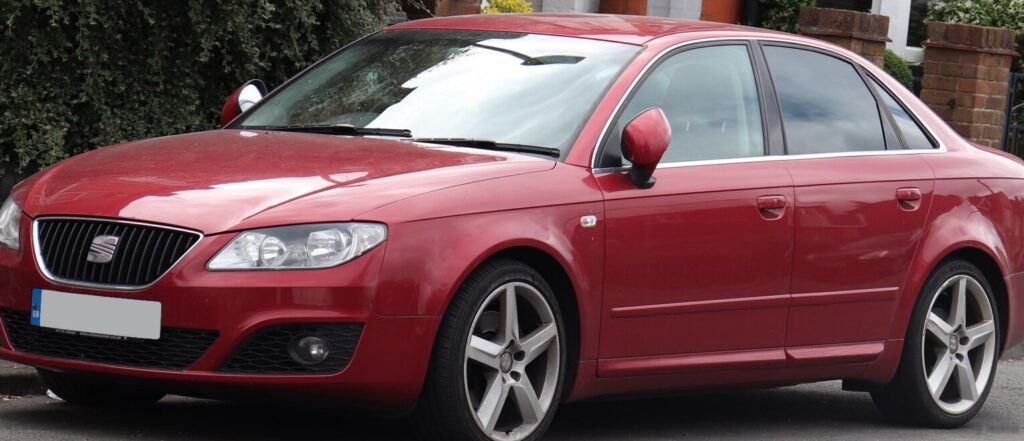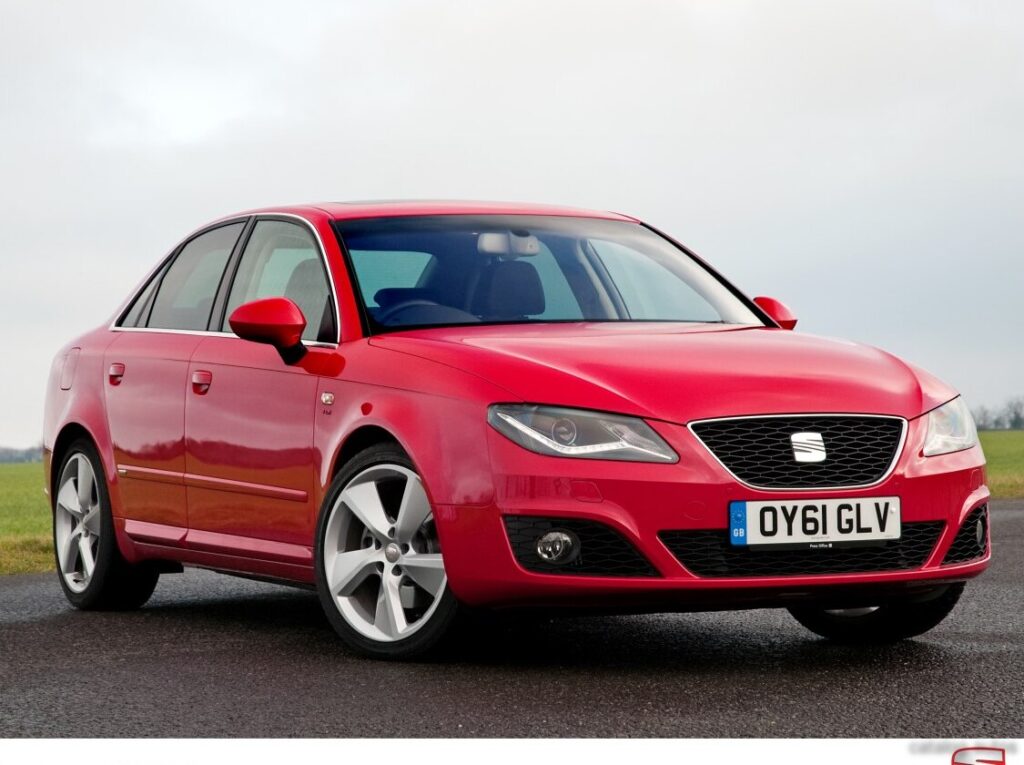
The Seat Exeo 2.0 TSI (200 hp) Multitronic, produced from September 2011 to October 2012, represented a significant performance upgrade within the Exeo lineup. As a facelifted version of the original Exeo, itself based on the Audi B7 platform (1HX0/A3), this variant aimed to offer a more dynamic driving experience while maintaining the practicality of a mid-size executive sedan. Positioned as a mid-to-premium trim level, it bridged the gap between the more economical engine options and the range-topping models.
Seat Exeo 2.0 TSI Multitronic: An Overview
The Exeo, launched in 2008, was Seat’s attempt to enter the competitive executive car segment. The 2011 facelift brought styling revisions and, crucially, the introduction of more powerful engine options, including the 2.0 TSI. This engine, paired exclusively with the Multitronic continuously variable transmission (CVT) in this configuration, offered a compelling blend of performance and efficiency. The Exeo was a four-door sedan with seating for five passengers, designed to appeal to buyers seeking a stylish and well-equipped alternative to more established German rivals.
Powertrain & Engine Architecture
At the heart of the Exeo 2.0 TSI Multitronic lies the EA113 engine code, specifically the BWE variant. This 1984 cc (121.07 cu. in.) inline-four cylinder engine utilizes direct fuel injection and is turbocharged with an intercooler. The engine produces 200 hp (149 kW) at 5100 rpm and 280 Nm (206.52 lb-ft) of torque available from 1800 rpm. This configuration provided a substantial power increase compared to the base 1.6-liter and 1.8-liter engines offered in the Exeo range.
The direct injection system, a key feature of the EA113, allows for precise fuel delivery, optimizing combustion efficiency and power output. The DOHC (Double Overhead Camshaft) valvetrain, with four valves per cylinder, further enhances the engine’s breathing and contributes to its responsive nature. The Multitronic transmission, a six-speed CVT, is designed to provide smooth, seamless gear changes and optimize fuel economy. Unlike traditional automatic transmissions with fixed gear ratios, the Multitronic utilizes a chain-driven system to offer a virtually infinite number of ratios within its operating range.
Driving Characteristics
The 2.0 TSI Multitronic Exeo offered a noticeably different driving experience compared to its lower-powered siblings. Acceleration from 0 to 100 km/h (0-62 mph) was achieved in 7.3 seconds, a significant improvement over the 1.8-liter models. The Multitronic transmission, while smooth, did lack the immediate responsiveness of a traditional automatic or a manual gearbox. However, it allowed the engine to remain in its optimal power band, delivering strong and consistent acceleration. The engine’s torque output, readily available from low revs, made it well-suited for everyday driving and overtaking maneuvers.
Compared to the manual transmission options available on other Exeo engines, the Multitronic version prioritized comfort and ease of use over outright driver engagement. While the manual transmissions offered a more connected feel, the Multitronic provided a more relaxed and refined driving experience, particularly in urban traffic. The weight-to-power ratio of 7.3 kg/hp contributed to a feeling of adequate performance, though it wasn’t considered a sports sedan.
Equipment & Trim Levels
The 2.0 TSI Multitronic trim typically included a generous level of standard equipment. This often encompassed features such as automatic climate control, alloy wheels (typically 17 or 18 inch), a multi-function steering wheel, and a comprehensive infotainment system. Interior upholstery was generally cloth or a combination of cloth and leather, with higher-spec versions offering full leather seats. Optional extras included satellite navigation, parking sensors, a sunroof, and upgraded audio systems. The Exeo aimed to provide a premium feel, with attention paid to interior materials and build quality.
The facelifted models, including the 2.0 TSI, benefited from subtle interior revisions, including updated dashboard trim and improved infotainment options. The overall design aesthetic was modern and understated, reflecting Seat’s design language at the time.
Chassis & Braking
The Exeo 2.0 TSI Multitronic utilized an independent multi-link suspension system at the front and an independent trapezoidal lever suspension at the rear, both incorporating a transverse stabilizer bar. This suspension setup provided a good balance between ride comfort and handling. The front brakes consisted of ventilated discs measuring 320×30 mm, while the rear brakes were solid discs measuring 288×12 mm. Anti-lock Braking System (ABS) was standard. The chassis was tuned to provide a stable and predictable driving experience, prioritizing comfort over outright sportiness.
The Exeo’s steering employed a hydraulic power steering system, offering a reasonably weighted and precise feel. Tire sizes typically ranged from 225/45 R17 to 225/40 R18, depending on the wheel size and trim level.
Market Reception & Comparison
The Seat Exeo 2.0 TSI Multitronic received generally positive reviews from automotive critics. It was praised for its stylish design, comfortable interior, and strong performance. However, some reviewers noted that the Multitronic transmission lacked the engagement of a traditional automatic or manual gearbox. Fuel economy was rated as reasonable, with combined figures of 7.7 l/100 km (30.5 US mpg), but not class-leading.
Compared to other trims in the Exeo lineup, the 2.0 TSI offered a significant performance advantage. It was a more compelling option for drivers who prioritized power and acceleration. In terms of reliability, the EA113 engine was generally considered robust, but the Multitronic transmission could be prone to issues if not properly maintained. Compared to rivals like the Ford Mondeo, Volkswagen Passat, and Opel/Vauxhall Insignia, the Exeo offered a unique blend of Spanish flair and German engineering.
Technical Specifications
| Body type | Sedan, 4 Doors, 5 Seats |
| Fuel consumption (urban) | 10.6 l/100 km (22.2 US mpg) |
| Fuel consumption (extra urban) | 6 l/100 km (39.2 US mpg) |
| Fuel consumption (combined) | 7.7 l/100 km (30.5 US mpg) |
| CO2 emissions | 179 g/km |
| Fuel Type | Petrol (Gasoline) |
| Acceleration 0 – 100 km/h | 7.3 sec |
| Acceleration 0 – 62 mph | 7.3 sec |
| Acceleration 0 – 60 mph | 6.9 sec |
| Maximum speed | 235 km/h (146.02 mph) |
| Emission standard | Euro 5 |
| Weight-to-power ratio | 7.3 kg/Hp |
| Weight-to-torque ratio | 5.2 kg/Nm |
| Power | 200 Hp @ 5100 rpm |
| Torque | 280 Nm @ 1800 rpm (206.52 lb.-ft. @ 1800 rpm) |
| Engine layout | Front, Longitudinal |
| Engine Model/Code | EA113 / BWE |
| Engine displacement | 1984 cm3 (121.07 cu. in.) |
| Number of cylinders | 4 |
| Engine configuration | Inline |
| Cylinder Bore | 82.5 mm (3.25 in.) |
| Piston Stroke | 92.8 mm (3.65 in.) |
| Compression ratio | 10.3:1 |
| Number of valves per cylinder | 4 |
| Fuel injection system | Direct injection |
| Engine aspiration | Turbocharger, Intercooler |
| Valvetrain | DOHC |
| Engine oil capacity | 4.5 l (4.76 US qt | 3.96 UK qt) |
| Coolant | 7.5 l (7.93 US qt | 6.6 UK qt) |
| Kerb Weight | 1455 kg (3207.73 lbs.) |
| Max. weight | 2015 kg (4442.31 lbs.) |
| Trunk (boot) space – minimum | 460 l (16.24 cu. ft.) |
| Trunk (boot) space – maximum | 833 l (29.42 cu. ft.) |
| Fuel tank capacity | 70 l (18.49 US gal | 15.4 UK gal) |
| Drivetrain Architecture | Front wheel drive |
| Number of gears and type of gearbox | automatic transmission Multitronic |
Legacy
The Seat Exeo, while a relatively short-lived model, offered a compelling alternative in the executive car segment. The 2.0 TSI Multitronic variant, in particular, provided a good balance of performance, comfort, and equipment. Today, used examples of the Exeo 2.0 TSI are relatively affordable, but potential buyers should be aware of the potential maintenance costs associated with the Multitronic transmission. The EA113 engine, while generally reliable, may require attention to its carbon buildup over time. Despite these potential issues, the Exeo 2.0 TSI remains a stylish and capable car for those seeking a well-equipped and reasonably priced executive sedan.