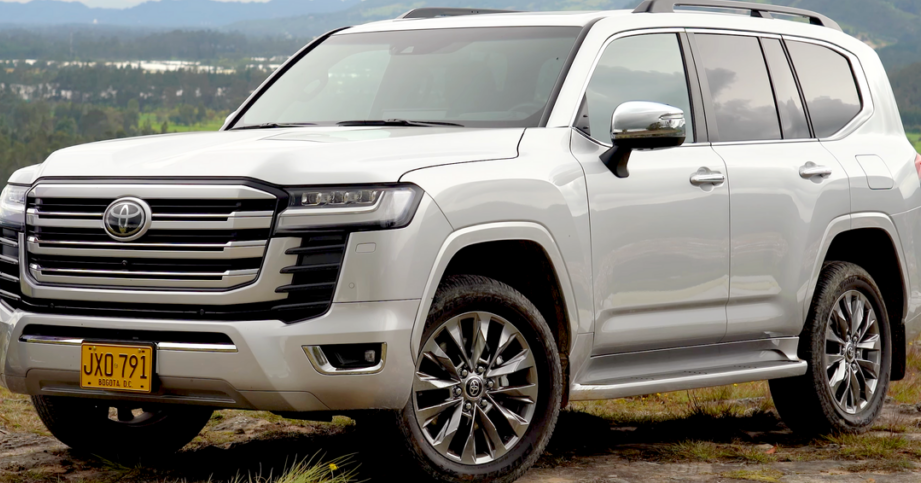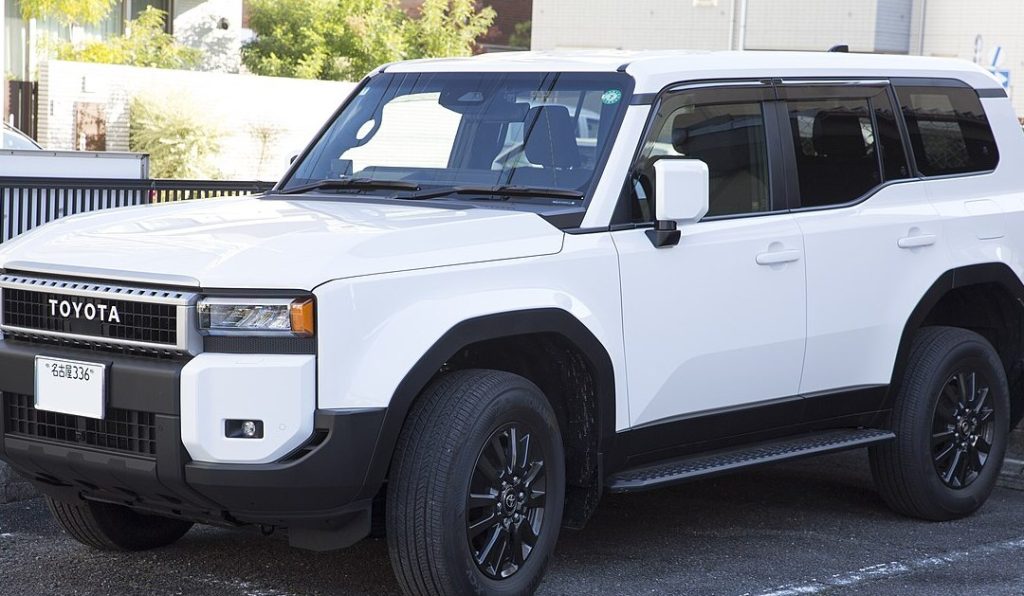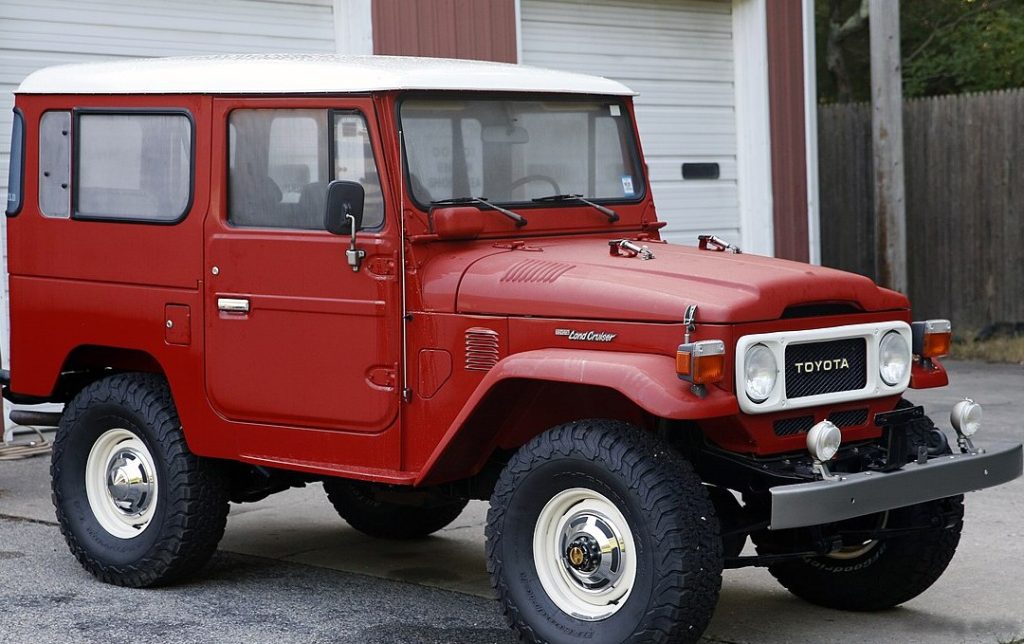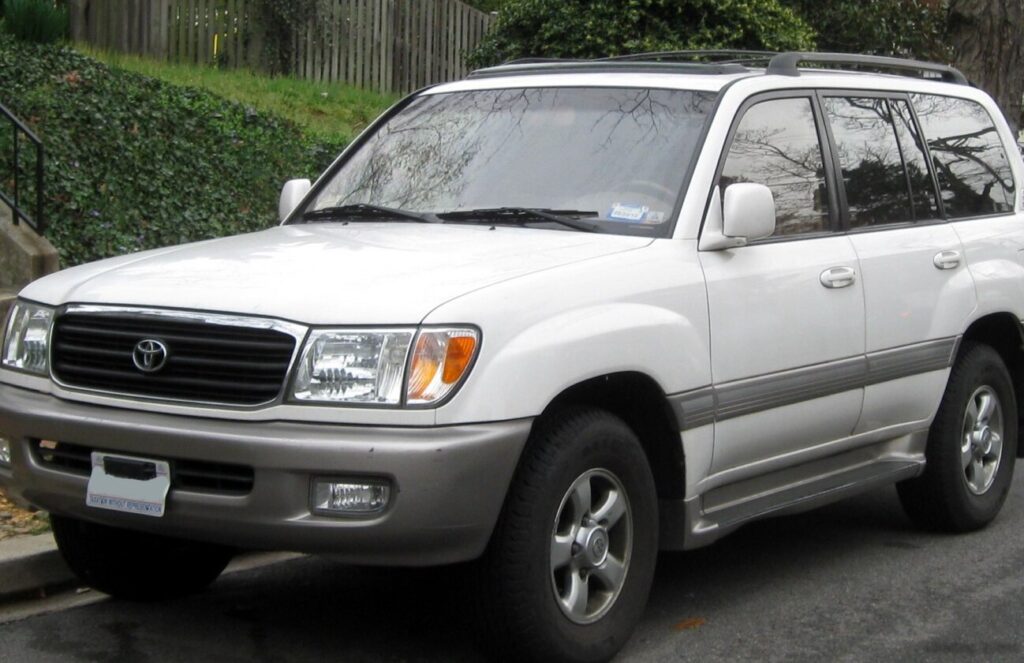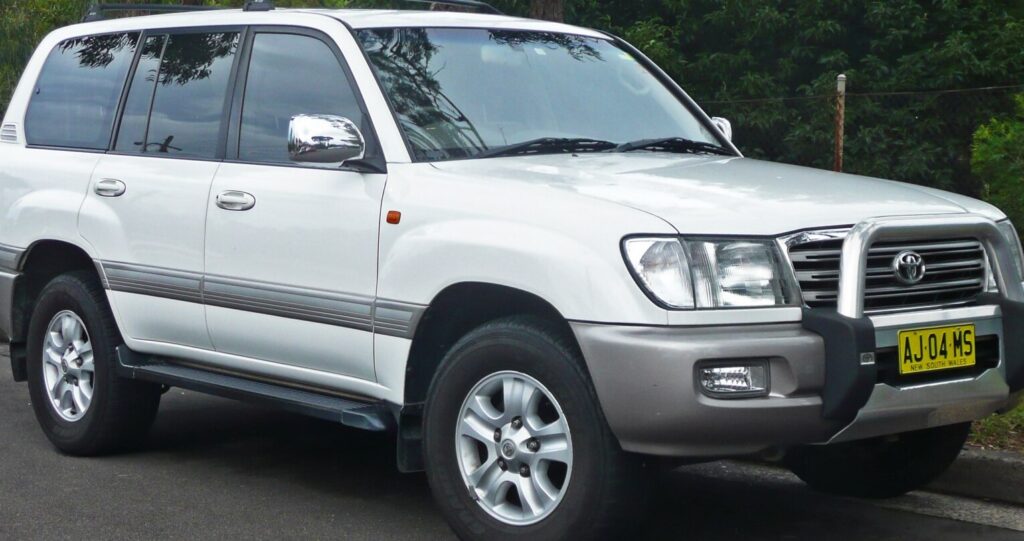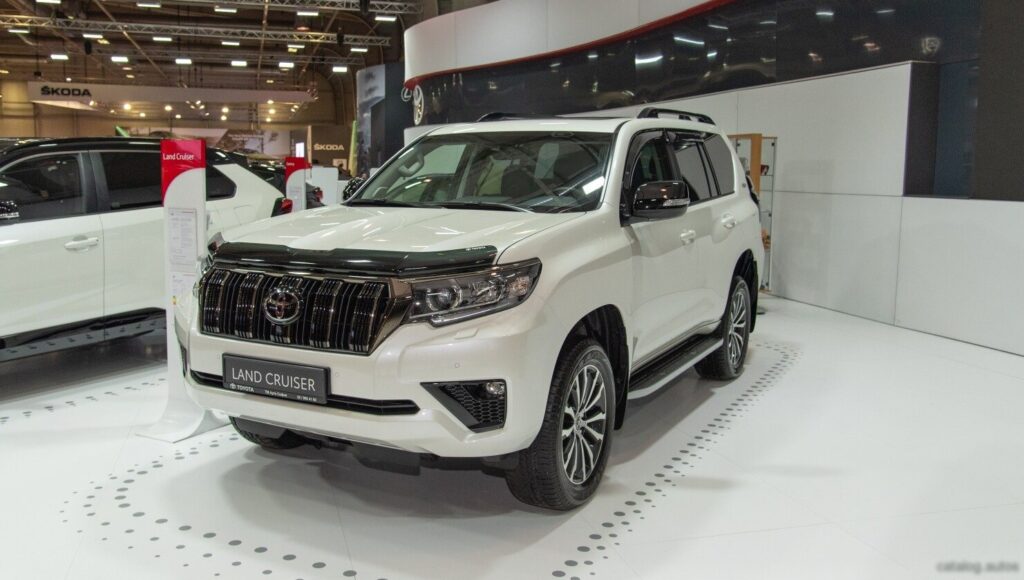
The Toyota Land Cruiser Prado (J150 series, post-facelift introduced in 2017) represents a significant evolution of Toyota’s long-standing reputation for durable, capable, and comfortable off-road vehicles. This particular variant, the 5-door model powered by the 2.8 D-4D turbocharged diesel engine producing 177 horsepower, was a mainstay in the Prado lineup from 2017 through October 2023. Positioned as a mid-range offering, it bridged the gap between more basic, entry-level Prados and the higher-specification models with more powerful engines and luxury features. The J150 Prado, built on a body-on-frame chassis, continued Toyota’s tradition of providing a robust SUV suitable for both on-road driving and challenging off-road conditions.
2.8 D-4D Powertrain & Engine Architecture
The heart of this Prado variant is the 1GD-FTV 2.8-liter inline-four cylinder diesel engine. This engine is a member of Toyota’s GD series of diesel engines, known for their balance of power, efficiency, and reliability. The 1GD-FTV boasts a displacement of 2755 cm³ (168.12 cubic inches) and utilizes a sophisticated diesel common rail fuel injection system. This system, operating at extremely high pressures, ensures precise fuel delivery for optimal combustion and reduced emissions. The engine features a turbocharger with an intercooler, enhancing power output and responsiveness. A double overhead camshaft (DOHC) valvetrain with four valves per cylinder further contributes to the engine’s performance characteristics. The compression ratio is set at 15.6:1, a typical value for modern diesel engines designed for efficiency and power.
While a six-speed manual transmission was standard for this configuration, a six-speed automatic transmission was also offered, providing enhanced convenience, particularly for drivers prioritizing comfort and ease of use. The automatic transmission features electronically controlled shift points, adapting to driving conditions and driver input. The engine oil capacity is 7.7 liters (8.14 US quarts / 6.78 UK quarts), and the coolant capacity is 10.1 liters (10.67 US quarts / 8.89 UK quarts). A particulate filter is included as standard equipment to meet Euro 6 emission standards.
Engine Specifications (1GD-FTV)
The 1GD-FTV engine delivers a maximum power output of 177 horsepower at 3400 rpm, and a substantial 420 Nm (309.78 lb-ft) of torque available between 1400 and 2600 rpm. This broad torque curve is a key characteristic of diesel engines, providing strong pulling power at lower engine speeds, making it well-suited for off-road driving and towing. The engine produces 64.2 horsepower per liter, demonstrating a good balance between displacement and output.
Driving Characteristics
The 2.8 D-4D Prado offers a driving experience focused on capability and comfort rather than outright performance. Acceleration from 0 to 100 km/h (0-62 mph) takes approximately 12.1 seconds, and 0 to 60 mph is achieved in around 11.5 seconds. While not particularly quick, the engine’s strong low-end torque provides ample power for everyday driving and overtaking maneuvers. The six-speed manual transmission allows for precise control, while the optional automatic transmission offers smooth and effortless gear changes. The Prado’s substantial weight (2165 kg / 4773.01 lbs kerb weight) contributes to a stable and planted feel on the road. Off-road, the 2.8 D-4D engine’s torque and the Prado’s robust four-wheel-drive system provide excellent traction and control, allowing it to navigate challenging terrain with confidence. Compared to higher-output Prado variants, such as those equipped with the 4.0-liter V6 gasoline engine, the 2.8 D-4D offers lower fuel consumption but less overall power and acceleration.
Equipment & Trim Levels
The 2.8 D-4D Prado typically came equipped with a range of standard features, including air conditioning, power windows, power door locks, and a basic audio system. Interior upholstery was typically cloth, although leather options were available as upgrades. Dashboard configuration was functional and straightforward, prioritizing usability over elaborate styling. Common optional extras included a touchscreen infotainment system with navigation, a sunroof, heated seats, and a rear parking camera. Higher trim levels offered additional features such as automatic climate control, premium audio systems, and advanced safety technologies. The Prado’s interior offered seating for five or seven passengers, depending on the configuration.
Chassis & Braking
The Prado’s chassis is a traditional body-on-frame construction, providing exceptional strength and durability. The front suspension utilizes a double wishbone setup, while the rear suspension employs a dependent, multi-link spring system with telescopic shock absorbers. This suspension configuration is designed to provide a comfortable ride on paved roads while maintaining excellent off-road capability. Braking duties are handled by ventilated discs on all four wheels, providing ample stopping power. An Anti-lock Braking System (ABS) is standard equipment, enhancing safety and control during emergency braking situations. The steering system is a rack and pinion type with electric power steering, offering precise and responsive handling. Typical tire sizes ranged from 265/65 R17 to 265/55 R19, depending on the trim level and wheel size.
Market Reception & Comparison
The 2.8 D-4D Prado was generally well-received by automotive critics and consumers alike. It was praised for its reliability, durability, and off-road capability. Fuel economy was a strong point, with combined fuel consumption rated at 7.4 l/100 km (31.8 US mpg / 38.2 UK mpg), making it a relatively economical option for a large SUV. Compared to other trims in the Prado lineup, the 2.8 D-4D offered a compelling balance of performance, efficiency, and price. While the more powerful gasoline engines provided quicker acceleration, they also consumed more fuel. The 2.8 D-4D was often seen as the sweet spot for buyers prioritizing practicality and long-term ownership costs. Competitors in the same segment included the Mitsubishi Pajero, Nissan Patrol, and Land Rover Discovery, but the Prado consistently stood out for its reputation for reliability and resale value.
Technical Specifications
| Brand | Toyota |
| Model | Land Cruiser Prado |
| Generation | Land Cruiser Prado (J150, facelift 2017) 5-door |
| Type | 2.8 D-4D (177 Hp) 4WD |
| Start of production | 2017 |
| End of production | October, 2023 |
| Fuel consumption (combined) | 7.4 l/100 km (31.8 US mpg, 38.2 UK mpg, 13.5 km/l) |
| CO2 emissions | 194 g/km |
| Fuel Type | Diesel |
| Acceleration 0-100 km/h | 12.1 sec |
| Acceleration 0-62 mph | 12.1 sec |
| Acceleration 0-60 mph | 11.5 sec |
| Maximum speed | 175 km/h (108.74 mph) |
| Emission standard | Euro 6 |
| Weight-to-power ratio | 12.2 kg/Hp |
| Weight-to-torque ratio | 5.2 kg/Nm |
| Power | 177 Hp @ 3400 rpm |
| Torque | 420 Nm @ 1400-2600 rpm (309.78 lb.-ft. @ 1400-2600 rpm) |
| Engine layout | Front, Longitudinal |
| Engine Model/Code | 1GD-FTV |
| Engine displacement | 2755 cm3 (168.12 cu. in.) |
| Number of cylinders | 4 |
| Engine configuration | Inline |
| Cylinder Bore | 92 mm (3.62 in.) |
| Piston Stroke | 103.6 mm (4.08 in.) |
| Compression ratio | 15.6:1 |
| Number of valves per cylinder | 4 |
| Fuel injection system | Diesel Commonrail |
| Engine aspiration | Turbocharger, Intercooler |
| Valvetrain | DOHC |
| Engine oil capacity | 7.7 l (8.14 US qt | 6.78 UK qt) |
| Coolant capacity | 10.1 l (10.67 US qt | 8.89 UK qt) |
| Kerb Weight | 2165 kg (4773.01 lbs.) |
| Max. weight | 2990 kg (6591.82 lbs.) |
| Max load | 825 kg (1818.81 lbs.) |
| Trunk (boot) space – minimum | 621 l (21.93 cu. ft.) |
| Trunk (boot) space – maximum | 1934 l (68.3 cu. ft.) |
| Fuel tank capacity | 87 l (22.98 US gal | 19.14 UK gal) |
| Permitted trailer load with brakes (12%) | 3000 kg (6613.87 lbs.) |
| Permitted trailer load without brakes | 750 kg (1653.47 lbs.) |
| Length | 4840 mm (190.55 in.) |
| Width | 1855 mm (73.03 in.) |
| Height | 1845 mm (72.64 in.) |
| Wheelbase | 2790 mm (109.84 in.) |
Legacy
The 1GD-FTV engine, as found in the 2017-2023 Prado, has proven to be a remarkably reliable powertrain. Reports of major mechanical failures are relatively uncommon, and the engine is known for its longevity when properly maintained. On the used car market, Prados equipped with this engine and automatic transmission hold their value well, due to their reputation for dependability and off-road capability. Regular maintenance, including timely oil changes and filter replacements, is crucial for ensuring the long-term health of the engine. The Prado’s robust construction and durable components contribute to its overall longevity, making it a popular choice for buyers seeking a reliable and capable SUV that can withstand years of use.