
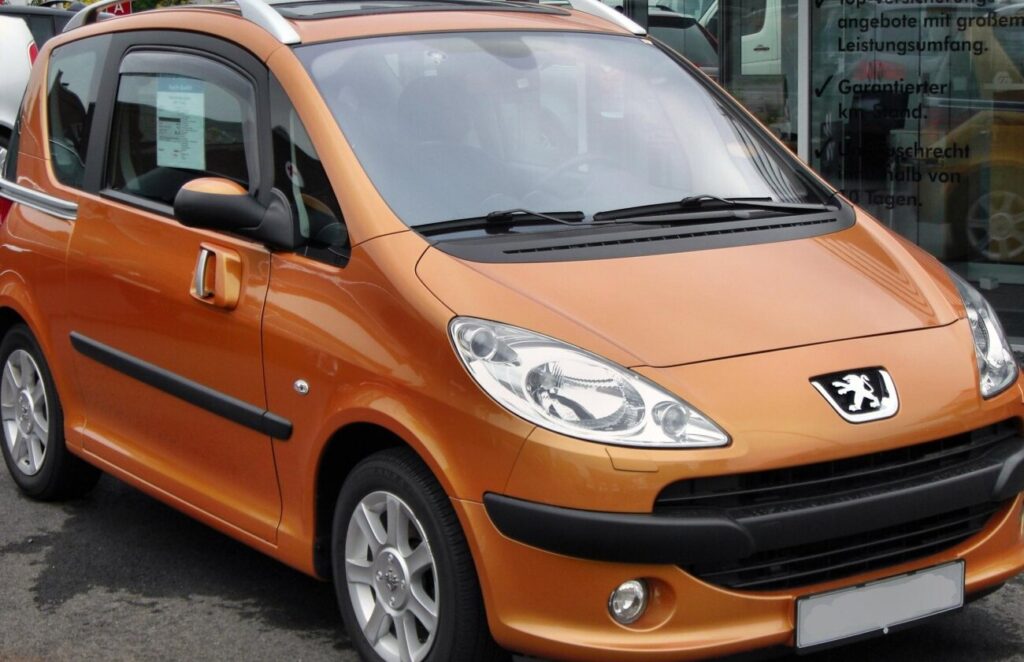
The Peugeot 1007 1.6 HDi, producing 110 horsepower, was a front-wheel-drive, supermini MPV produced by the French manufacturer Peugeot between 2007 and 2009. It represented a significant update to the original 1007, launched in 2005, and was part of the first generation (A8) of the model. This variant occupied a mid-range position within the 1007 lineup, offering a balance between fuel efficiency, performance, and equipment levels. The 1007 was notable for its distinctive, somewhat polarizing design and its innovative, fully robotic gearbox option (which was not available with the 1.6 HDi engine). It was built on Peugeot’s B1 platform, shared with other small vehicles of the era.
Powertrain & Engine Architecture
The heart of the 1007 1.6 HDi was the 9HZ DV6TED4 engine, a 1.6-liter inline-four cylinder diesel engine. This engine was a member of the DW/DV family of diesel engines developed jointly by PSA Peugeot Citroën and Ford. It featured a common rail direct injection system, delivering fuel directly into the combustion chamber at extremely high pressure for improved efficiency and reduced emissions. The engine utilized a turbocharger with an intercooler to boost power output and torque. The valvetrain employed a double overhead camshaft (DOHC) configuration with four valves per cylinder, optimizing gas flow for enhanced performance.
The 1.6 HDi engine produced 110 horsepower at 4,000 rpm and 240 Nm (177.01 lb-ft) of torque at 1,750 rpm. This torque figure was a key characteristic of the engine, providing strong low-end pulling power suitable for urban driving and overtaking. The engine’s displacement was 1560 cm³ (95.2 cu. in.), with a bore of 75 mm (2.95 in.) and a stroke of 88.3 mm (3.48 in.). The engine was paired exclusively with a five-speed manual transmission in this configuration. The engine oil capacity was 3.75 liters (3.96 US qt | 3.3 UK qt), and it required a specific oil specification (details available in service manuals).
Fuel Injection and Turbocharging
The common rail direct injection system was a crucial element of the engine’s efficiency. It allowed for precise control over fuel delivery, optimizing combustion and minimizing waste. The turbocharger, combined with the intercooler, increased the amount of air entering the engine, enabling it to burn more fuel and generate more power. The intercooler cooled the compressed air from the turbocharger, further increasing its density and improving combustion efficiency. A particulate filter was included as standard equipment to reduce emissions of harmful particulate matter.
Driving Characteristics
The Peugeot 1007 1.6 HDi offered a surprisingly refined driving experience for a vehicle of its size and price point. The 110 hp engine provided adequate performance for everyday driving, with the strong low-end torque making it particularly well-suited to urban environments. Acceleration from 0 to 100 km/h (0 to 62 mph) took approximately 11.4 seconds, while the 0-60 mph time was calculated at 10.8 seconds. The top speed was 185 km/h (114.95 mph).
Compared to the lower-powered 1.4-liter gasoline engine offered in the 1007 range, the 1.6 HDi provided significantly more punch and responsiveness. While not a sports car, the 1.6 HDi offered a more relaxed and confident driving experience, particularly when carrying passengers or luggage. The five-speed manual transmission was generally well-matched to the engine’s characteristics, although some drivers found the gear ratios slightly tall, prioritizing fuel economy over outright acceleration. Compared to the later, fully automatic gearbox option available on other 1007 models, the manual transmission offered more driver control and a more engaging driving experience.
Equipment & Trim Levels
The 1007 1.6 HDi typically came equipped with a reasonable level of standard features. These included power steering, central locking, electric front windows, and an audio system. Safety features included ABS (Anti-lock Braking System) and driver and passenger airbags. Interior upholstery was typically cloth, with a functional and straightforward dashboard layout.
Optional extras available for the 1.6 HDi included air conditioning, alloy wheels, a panoramic sunroof, and parking sensors. Higher trim levels offered additional features such as upgraded audio systems, leather upholstery, and automatic headlights. The 1007’s interior, while not luxurious, was generally considered practical and well-built for its class. The distinctive interior design, with its centrally-mounted instrument cluster, was a defining feature of the model.
Chassis & Braking
The Peugeot 1007 1.6 HDi utilized an independent McPherson strut suspension system at the front, providing a comfortable and controlled ride. The rear suspension employed a coil spring and torsion beam setup, which was a cost-effective and space-saving solution. The front brakes were ventilated discs, offering good stopping power, while the rear brakes were drums. This combination was typical for vehicles in this weight class at the time.
The steering system was a rack and pinion type with electric power assistance, providing light and precise steering feel. Tire size was typically 195/50 R16, mounted on 6J x 16 inch wheel rims. The kerb weight of the 1007 1.6 HDi ranged from 1273 to 1319 kg (2806.48 – 2907.9 lbs), depending on the specific trim level and optional equipment.
Market Reception & Comparison
The Peugeot 1007 1.6 HDi received generally positive reviews from automotive critics. It was praised for its fuel efficiency, comfortable ride, and distinctive styling. The 1.6 HDi engine was considered a strong performer, offering a good balance between power and economy. However, some critics noted the car’s limited interior space and the somewhat polarizing design.
Compared to other vehicles in its class, such as the Renault Modus and Fiat Panda, the 1007 1.6 HDi offered a more refined driving experience and a more distinctive design. Fuel economy was competitive, with combined fuel consumption figures of 4.8 l/100 km (49 US mpg, 58.9 UK mpg), and CO2 emissions of 125 g/km. Reliability was generally considered average, with some reports of minor electrical issues. The 1.6 HDi engine itself was generally regarded as a reliable unit.
Technical Specifications
| Body Type | Minivan, 3 Doors, 4 Seats |
| Fuel Economy (Combined) | 4.8 l/100 km (49 US mpg, 58.9 UK mpg) |
| CO2 Emissions | 125 g/km |
| Maximum Speed | 185 km/h (114.95 mph) |
| Acceleration 0-100 km/h | 11.4 sec |
| Engine Displacement | 1.6 l (1560 cm³) / 95.2 cu. in. |
| Engine Power | 110 Hp @ 4000 rpm |
| Engine Torque | 240 Nm @ 1750 rpm (177.01 lb.-ft. @ 1750 rpm) |
| Engine Layout | Front, Transverse, Inline-4 |
| Fuel Type | Diesel |
| Number of Cylinders | 4 |
| Fuel Injection System | Diesel Commonrail |
| Kerb Weight | 1273-1319 kg (2806.48 – 2907.9 lbs.) |
| Fuel Tank Capacity | 40 l (10.57 US gal | 8.8 UK gal) |
| Transmission | 5-speed Manual |
| Front Suspension | Independent type McPherson |
| Rear Suspension | Coil spring, Torsion |
| Front Brakes | Ventilated discs |
| Rear Brakes | Drum |
Legacy
The Peugeot 1007 1.6 HDi, while a relatively short-lived model, remains a distinctive and interesting vehicle. The 9HZ DV6TED4 engine proved to be a durable and reliable unit, and many examples are still on the road today. In the used car market, the 1007 1.6 HDi is often sought after for its fuel efficiency and relatively low running costs. However, potential buyers should be aware of the car’s limited interior space and the potential for minor electrical issues. The 1007’s innovative design and features, such as the panoramic sunroof and the fully robotic gearbox (on other variants), continue to appeal to enthusiasts. It represents a unique chapter in Peugeot’s history, showcasing the brand’s willingness to experiment with new ideas and technologies.
