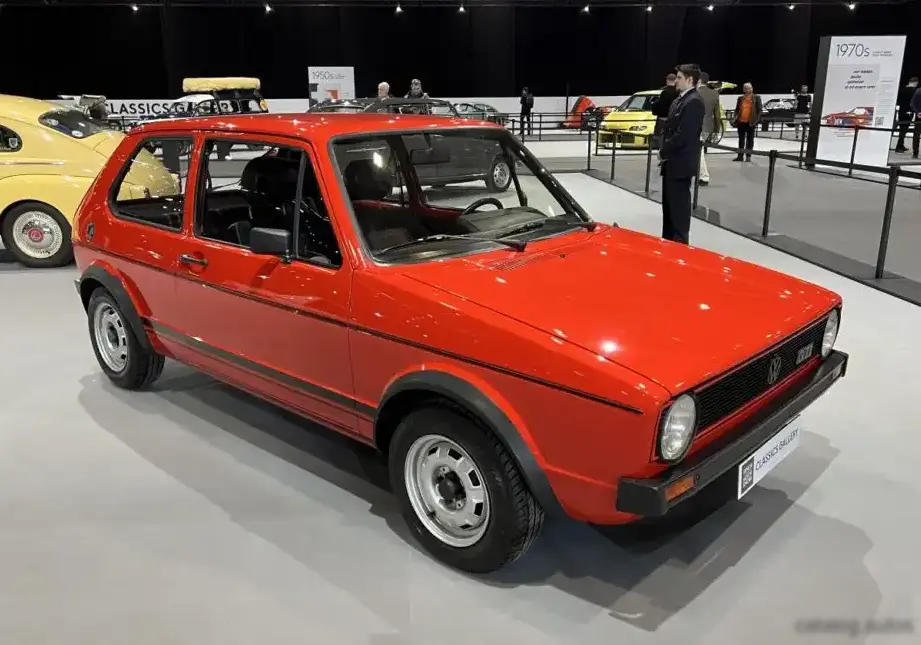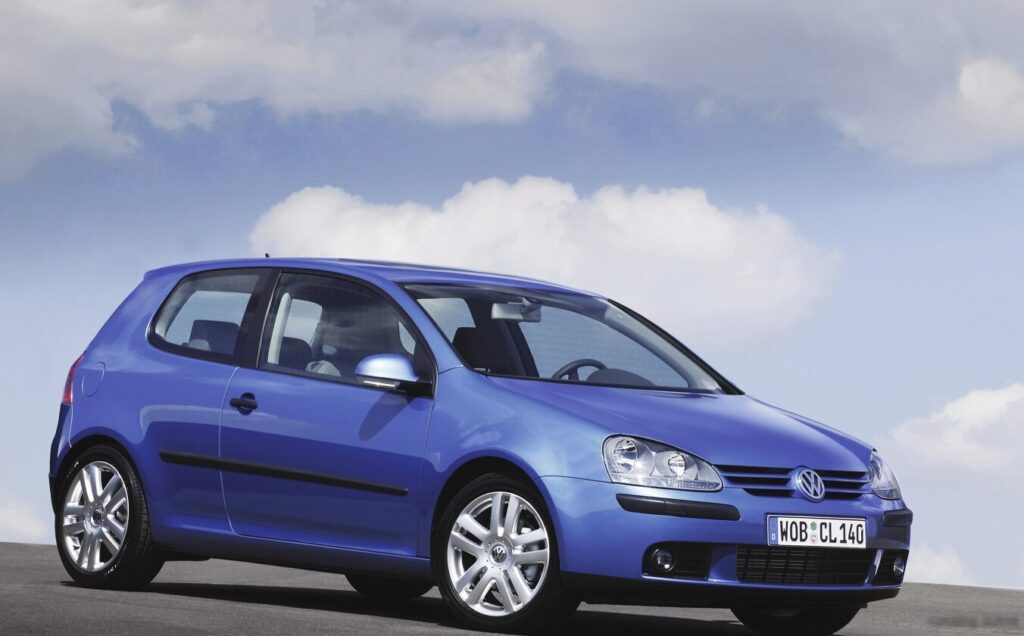
The Volkswagen Golf V, produced from 2003 to 2009, represented a significant evolution in Volkswagen’s iconic hatchback lineage. Within the Golf V range, the 3-door 2.0 TDI variant, specifically the 170 horsepower (hp) version equipped with a Diesel Particulate Filter (DPF), occupied a mid-range position, appealing to drivers seeking a balance between performance, fuel efficiency, and practicality. Production of this specific configuration ran from 2005 to 2008, built on the A5 (1HX0) platform, also known internally as the Golf V. It aimed to provide a more refined and powerful diesel option compared to the lower-output TDI engines, while remaining more accessible than the range-topping petrol variants like the GTI.
Powertrain & Engine Architecture
The heart of the Golf V 2.0 TDI (170 hp) is the EA188 series engine, specifically the BMN code. This 1968cc (120.09 cu. in.) inline-four cylinder diesel engine utilizes a common rail direct injection system, a significant upgrade from earlier pump-nozzle designs. This system allowed for more precise fuel delivery, resulting in improved combustion efficiency, reduced noise, and increased power output. The engine boasts a high compression ratio of 18:1, contributing to its thermal efficiency. A turbocharger with an intercooler is employed to force more air into the cylinders, further enhancing power. The valvetrain features a dual overhead camshaft (DOHC) configuration with four valves per cylinder, optimizing gas flow and contributing to the engine’s responsiveness.
Unlike some Golf V models offered with manual transmissions, the 2.0 TDI 170 hp was frequently paired with a six-speed automatic transmission. This transmission, while offering convenience, was a conventional torque converter automatic, not a dual-clutch system (DSG) which was becoming increasingly common in the Volkswagen lineup. The automatic transmission was chosen to broaden the appeal of the 2.0 TDI, attracting buyers who prioritized ease of driving over ultimate performance. The transmission’s gear ratios were tuned to provide a balance between acceleration and fuel economy, with a relatively tall final drive to maximize efficiency at highway speeds.
Engine Specifications (BMN)
- Displacement: 1968 cm³ (120.09 cu. in.)
- Configuration: Inline-4
- Compression Ratio: 18:1
- Fuel Injection: Common Rail Direct Injection
- Turbocharger: Yes, with Intercooler
- Valvetrain: DOHC, 4 valves per cylinder
- Maximum Power: 170 hp @ 4200 rpm
- Maximum Torque: 350 Nm (258.15 lb-ft) @ 1750-2500 rpm
Driving Characteristics
The Golf V 2.0 TDI (170 hp) with the automatic transmission offered a comfortable and refined driving experience. While not as overtly sporty as the manual transmission versions or the petrol-powered GTI, it provided ample power for everyday driving and confident overtaking capabilities. The 350 Nm (258.15 lb-ft) of torque, available from a low 1750 rpm, meant that strong acceleration was readily accessible without needing to rev the engine excessively. The automatic transmission, while smooth, could sometimes feel slightly hesitant during quick downshifts, and didn’t offer the same level of driver engagement as a manual gearbox. The 0-62 mph (0-100 km/h) acceleration time of 8.2 seconds was respectable for a diesel-powered hatchback of this era.
Compared to the lower-powered TDI variants (e.g., 105 hp), the 170 hp version felt significantly more responsive and capable, particularly when fully loaded or tackling inclines. However, it didn’t match the outright performance of the petrol-powered Golf V models, such as the 1.4 TSI or the GTI. The automatic transmission also contributed to a slight fuel economy penalty compared to the manual versions, although the difference was not substantial.
Equipment & Trim Levels
The Golf V 2.0 TDI (170 hp) typically came equipped with a reasonably comprehensive level of standard equipment. This included air conditioning, power windows, central locking, an integrated radio/CD player, and alloy wheels. Safety features such as ABS (Anti-lock Braking System) and front airbags were also standard. Interior upholstery was typically cloth, although leather options were available as an upgrade. Dashboard trim was generally a dark grey or black plastic, with a functional and understated design.
Optional extras included a sunroof, parking sensors, upgraded audio systems, and climate control. Higher trim levels, often denoted by names like “Sport” or “Highline,” added features such as sport seats, automatic headlights, rain-sensing wipers, and more luxurious interior trim materials. The availability of specific options varied depending on the market.
Chassis & Braking
The Golf V 2.0 TDI (170 hp) utilized an independent suspension system on both the front and rear axles. The front suspension employed a McPherson strut design with coil springs and an anti-roll bar, while the rear suspension featured a multi-link setup, also with a stabilizer bar. This configuration provided a good balance between ride comfort and handling. The braking system consisted of ventilated discs on the front wheels and solid discs on the rear wheels. ABS was standard, providing enhanced braking performance and stability. The steering system was a power-assisted rack and pinion setup, offering precise and responsive steering feel.
The suspension setup was generally tuned to prioritize comfort, but the 170 hp models often received slightly stiffer springs and dampers compared to the lower-powered TDI variants to better manage the increased power and torque. Tire sizes typically ranged from 225/45 R17 to 225/40 R18, depending on the trim level and wheel size.
Market Reception & Comparison
The Golf V 2.0 TDI (170 hp) was generally well-received by automotive critics. It was praised for its strong performance, good fuel economy, and refined driving experience. However, some reviewers noted that the automatic transmission could feel slightly sluggish at times, and that the ride quality could be a bit firm on rough roads. Compared to other trims in the Golf V lineup, the 2.0 TDI 170 hp offered a compelling alternative to the petrol-powered models, particularly for drivers who prioritized fuel efficiency and torque. It provided a noticeable performance upgrade over the lower-powered TDI variants, making it a popular choice for those who frequently drove long distances or carried heavy loads.
Fuel economy figures averaged around 5.9-6.1 l/100 km (39.9-38.6 US mpg), making it a very economical option for its class. Reliability was generally good, although the diesel particulate filter (DPF) could be prone to clogging if the vehicle was primarily used for short trips. Regular maintenance, including oil changes and DPF regeneration, was essential to ensure long-term reliability.
Technical Specifications
| Brand | Volkswagen |
| Model | Golf |
| Generation | Golf V (3-door) |
| Type (Engine) | 2.0 TDI (170 Hp) DPF |
| Start of production | 2005 |
| End of production | 2008 |
| Fuel consumption (urban) | 7.7-7.9 l/100 km (30.5 – 29.8 US mpg) |
| Fuel consumption (extra urban) | 4.8-5 l/100 km (49 – 47 US mpg) |
| Fuel consumption (combined) | 5.9-6.1 l/100 km (39.9 – 38.6 US mpg) |
| CO2 emissions | 159-165 g/km |
| Fuel Type | Diesel |
| Acceleration 0 – 100 km/h | 8.2 sec |
| Acceleration 0 – 62 mph | 8.2 sec |
| Maximum speed | 220 km/h (136.7 mph) |
| Engine Model/Code | EA188 / BMN |
| Engine displacement | 1968 cm³ (120.09 cu. in.) |
| Number of cylinders | 4 |
| Engine configuration | Inline |
| Kerb Weight | 1293-1445 kg (2850.58 – 3185.68 lbs.) |
| Max. weight | 1870 kg (4122.64 lbs.) |
| Trunk (boot) space (minimum) | 350 l (12.36 cu. ft.) |
| Trunk (boot) space (maximum) | 1305 l (46.09 cu. ft.) |
| Fuel tank capacity | 55 l (14.53 US gal) |
| Gears/Transmission | 6 gears, automatic transmission |
Legacy
The Golf V 2.0 TDI (170 hp) powertrain has proven to be relatively durable, with many examples still on the road today. However, as with any diesel engine, proper maintenance is crucial to ensure longevity. Common issues include DPF clogging, injector failure, and turbocharger wear. The EA188 engine family, in general, has a reputation for being robust and capable of handling increased power through tuning, although modifications can also increase the risk of component failure. On the used car market, these models represent a good value proposition for buyers seeking a fuel-efficient and reasonably powerful hatchback. However, potential buyers should carefully inspect the vehicle’s service history and be aware of the potential maintenance costs associated with a diesel engine, particularly the DPF.