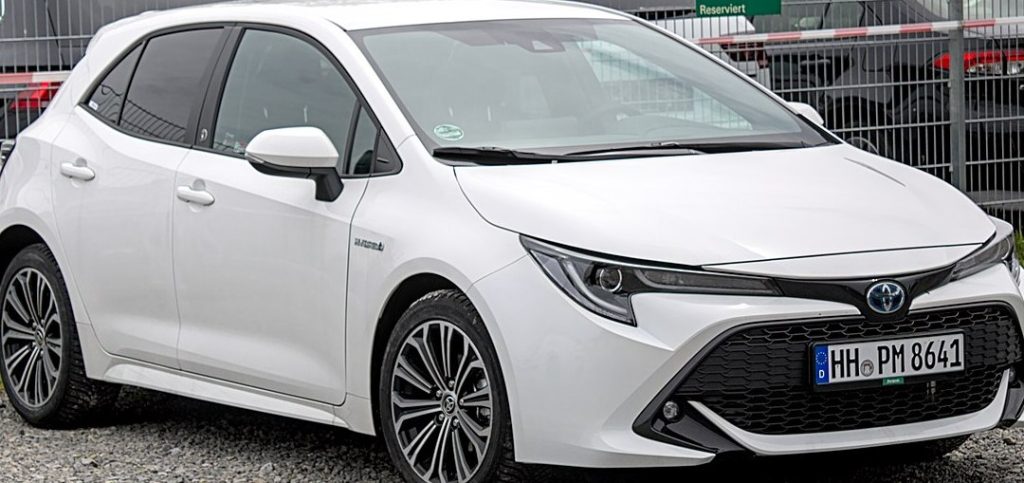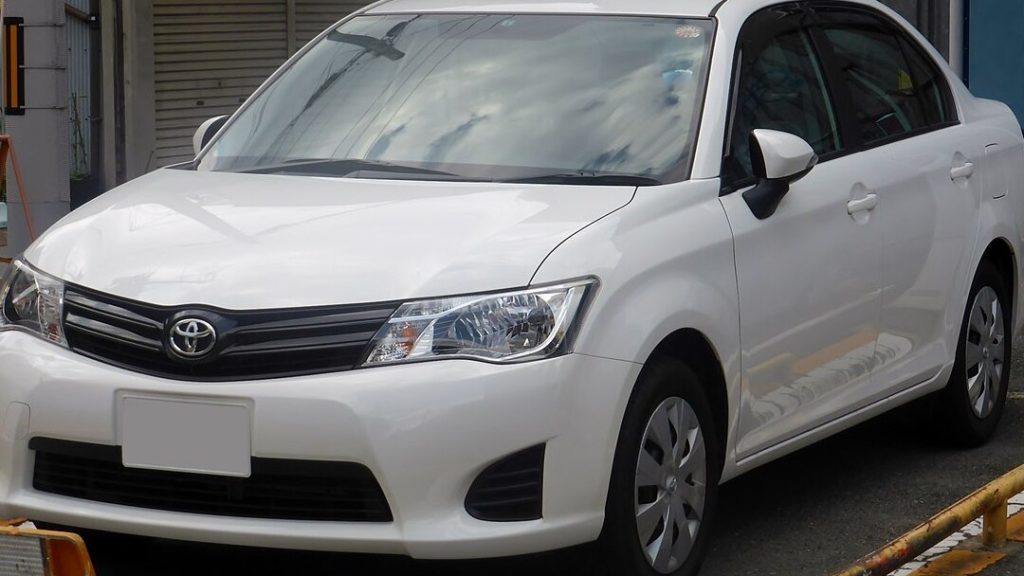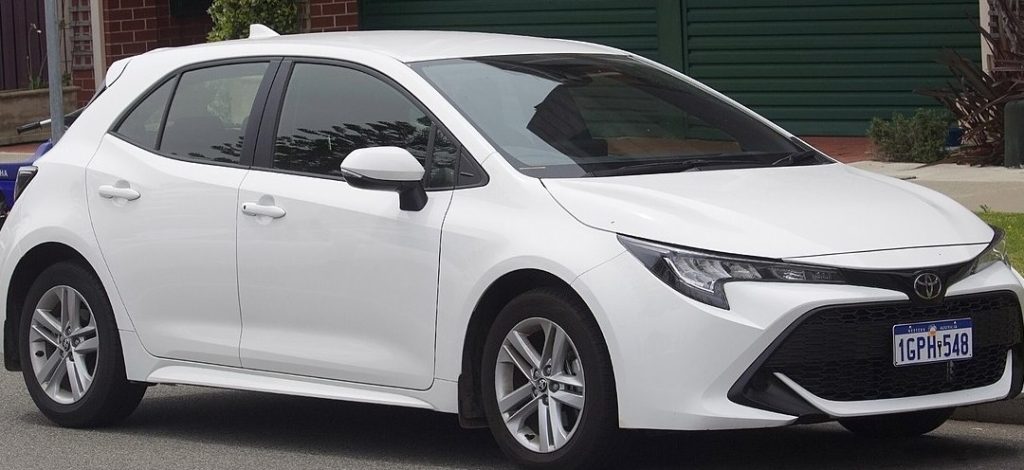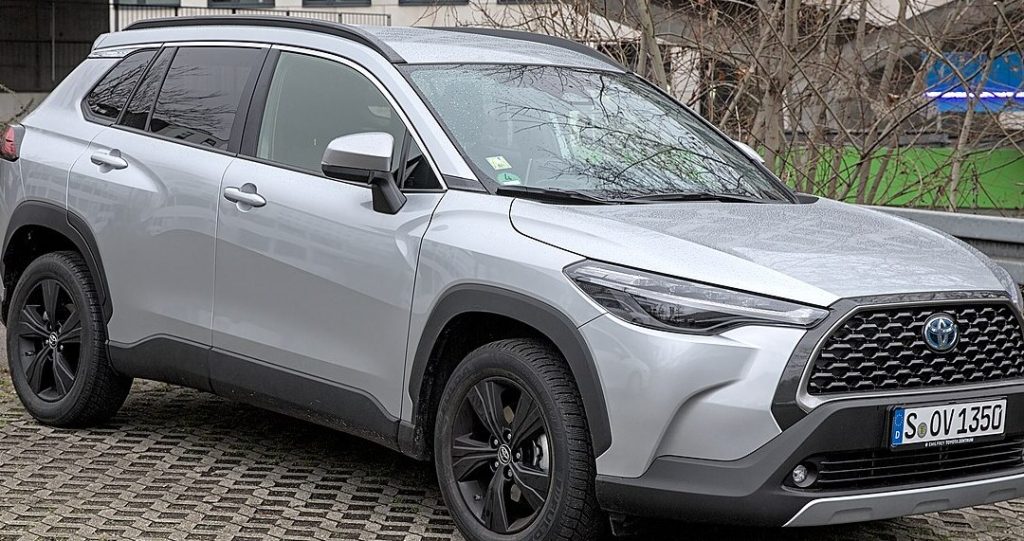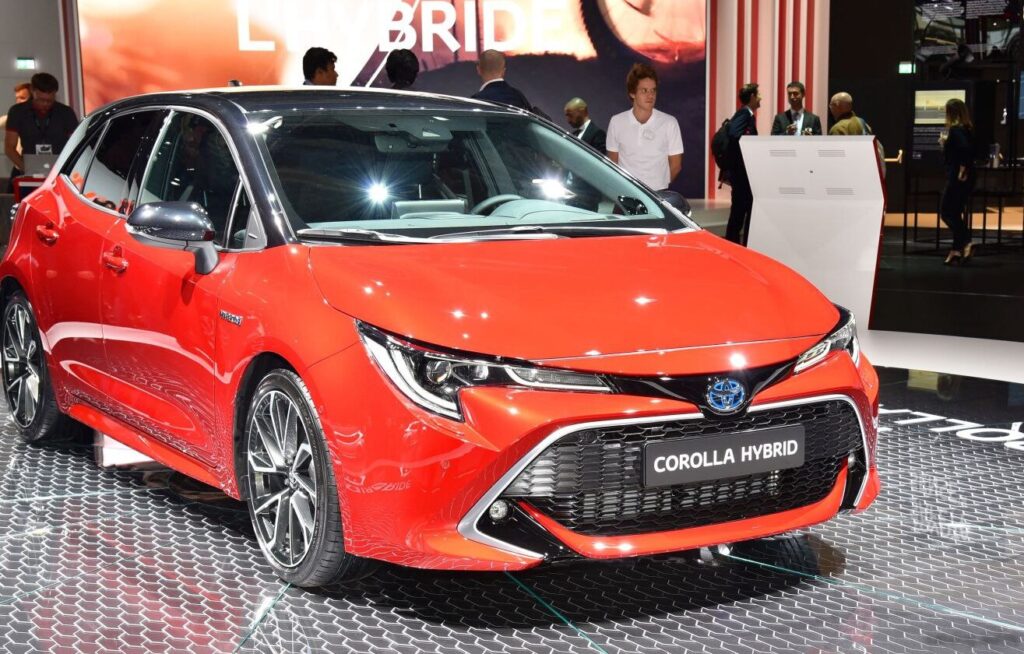
The Toyota Corolla Hatchback XII (E210) 2.0 Hybrid, produced from 2018 to 2020, represents a significant step in Toyota’s hybrid technology within the compact hatchback segment. This variant, positioned as a mid-to-upper trim level within the E210 Corolla Hatchback range, combined a 2.0-liter gasoline engine with Toyota’s Hybrid Synergy Drive system. It was designed to offer a balance of fuel efficiency, performance, and practicality, appealing to buyers seeking a modern and economical hatchback. The E210 generation Corolla marked a departure from previous designs, adopting a more dynamic and sporty aesthetic, and the 2.0 Hybrid model further enhanced this image with its increased power output and refined driving experience. It utilized the 1HX0 platform, shared with other Toyota models like the Prius and C-HR.
Powertrain & Engine Architecture
At the heart of the Corolla Hatchback 2.0 Hybrid lies the M20A-FXS 2.0-liter inline-four cylinder gasoline engine. This engine produces 152 horsepower at 6000 rpm and 190 Nm (140.14 lb-ft) of torque at 6000 rpm, boasting a high compression ratio of 14:1. It features Toyota’s D-4S fuel injection system, combining direct injection and multi-port manifold injection for optimized combustion efficiency and reduced emissions. The engine also incorporates a Dual VVT-i (Variable Valve Timing-intelligence) system on both intake and exhaust valves, further enhancing performance and fuel economy.
The Hybrid Synergy Drive system is a full hybrid (FHEV) configuration. It pairs the gasoline engine with a permanent magnet synchronous electric motor, capable of producing 109 horsepower and 202 Nm (148.99 lb-ft) of torque. The system’s total combined output is 180 horsepower. Power is delivered to the front wheels via a unique electronically controlled continuously variable transmission (e-CVT). Unlike traditional CVTs, Toyota’s e-CVT doesn’t rely on belts or chains; instead, it utilizes a planetary gearset to seamlessly blend power from the engine and electric motor. The nickel-metal hydride (NiMH) battery pack, with a gross capacity of 1.4 kWh and a voltage of 216V, is located under the rear seats, minimizing intrusion into the passenger or cargo space. The system allows for all-electric driving at lower speeds and assists the gasoline engine during acceleration, contributing to improved fuel efficiency.
Fuel Injection and Valvetrain Details
The M20A-FXS engine’s direct injection system precisely meters fuel directly into the combustion chamber, improving combustion efficiency and reducing knocking. The multi-port injection system supplements this, particularly during cold starts and high-load conditions. The DOHC (Dual Overhead Camshaft) valvetrain, coupled with Dual VVT-i, allows for precise control of valve timing, optimizing engine performance across the rev range. This results in a responsive engine character and contributes to the overall efficiency of the hybrid system.
Driving Characteristics
The 2.0 Hybrid variant of the Corolla Hatchback offers a noticeably more spirited driving experience compared to the base 1.8L model. The combined output of 180 horsepower provides brisk acceleration, with a 0-60 mph time of approximately 7.5 seconds and a 0-100 km/h time of 7.9 seconds. The e-CVT transmission operates seamlessly, providing smooth and linear acceleration without the stepped shifts of a traditional automatic. While not a performance-oriented hatchback, the 2.0 Hybrid offers ample power for everyday driving and highway merging. The electric motor provides instant torque, enhancing responsiveness at lower speeds. The hybrid system’s regenerative braking also contributes to a unique driving feel, providing a noticeable deceleration effect when lifting off the throttle. Compared to a manual transmission equipped Corolla, the e-CVT prioritizes efficiency and ease of use over driver engagement.
Equipment & Trim Levels
The 2.0 Hybrid trim typically included a comprehensive suite of standard features. These generally included Toyota Safety Sense 3.0, encompassing pre-collision system with pedestrian detection, lane departure alert with steering assist, automatic high beams, and dynamic radar cruise control. Interior features commonly included automatic climate control, a touchscreen infotainment system with Apple CarPlay and Android Auto compatibility, and a rearview camera. Upholstery was typically a combination of fabric and synthetic leather, with higher trims offering full leather options. Optional extras included a premium audio system, heated front seats, a power moonroof, and blind spot monitoring with rear cross-traffic alert. The overall interior design focused on a modern and user-friendly layout, with a focus on ergonomics and practicality.
Chassis & Braking
The Corolla Hatchback 2.0 Hybrid utilizes an independent McPherson strut suspension in the front and a double wishbone suspension in the rear, providing a comfortable and controlled ride. A transverse stabilizer bar is included on both axles to minimize body roll during cornering. The braking system consists of ventilated discs on the front wheels (298mm) and solid discs on the rear wheels (274mm). Anti-lock Braking System (ABS) is standard, along with Electronic Brake-force Distribution (EBD) and Brake Assist. The steering system is an electric power steering (EPS) rack and pinion system, providing light and precise steering feel. Tire sizes varied depending on the trim level, ranging from 205/55 R16 to 225/40 R18.
Market Reception & Comparison
The Corolla Hatchback 2.0 Hybrid was generally well-received by automotive critics, praised for its fuel efficiency, comfortable ride, and comprehensive safety features. Fuel economy figures averaged between 60.3 and 63.6 US mpg combined, making it one of the most fuel-efficient hatchbacks in its class. Compared to the base 1.8L Hybrid model, the 2.0 Hybrid offered a noticeable performance improvement without significantly sacrificing fuel economy. It competed with other hybrid hatchbacks such as the Honda Civic Hybrid and the Hyundai Ioniq Hybrid. While the Civic Hybrid offered a more engaging driving experience, the Corolla Hatchback 2.0 Hybrid provided a more refined and comfortable ride. Reliability was also a strong point, consistent with Toyota’s reputation for building durable and dependable vehicles.
Technical Specifications
| Body type | Hatchback, 5 Doors, 5 Seats |
| Fuel economy (combined) | 3.7-3.9 l/100 km (63.6 – 60.3 US mpg) |
| CO2 emissions | 85-89 g/km |
| Fuel Type | Petrol (Gasoline) |
| Acceleration 0 – 100 km/h | 7.9 sec |
| Maximum speed | 180 km/h (111.85 mph) |
| Gross battery capacity | 1.4 kWh |
| Battery technology | Nickel-metal hydride (NiMH) |
| Engine layout | Front, Transverse |
| Engine Model/Code | M20A-FXS |
| Engine displacement | 1987 cm3 (121.25 cu. in.) |
| Number of cylinders | 4 |
| Power | 152 Hp @ 6000 rpm |
| Torque | 190 Nm @ 6000 rpm (140.14 lb.-ft. @ 6000 rpm) |
| Kerb Weight | 1340 kg (2954.19 lbs.) |
| Max. weight | 1910 kg (4210.83 lbs.) |
| Trunk (boot) space – minimum | 313 l (11.05 cu. ft.) |
| Trunk (boot) space – maximum | 1004 l (35.46 cu. ft.) |
| Fuel tank capacity | 43 l (11.36 US gal) |
| Drivetrain Architecture | FHEV (Full Hybrid Electric Vehicle), Front wheel drive |
| Gearbox | automatic transmission e-CVT |
Legacy
The Toyota Corolla Hatchback 2.0 Hybrid has proven to be a reliable and fuel-efficient vehicle in the used car market. The Hybrid Synergy Drive system is known for its durability, and the M20A-FXS engine has a good track record for longevity. Common maintenance items include regular oil changes, coolant flushes, and battery inspections. While NiMH batteries have a limited lifespan, they are generally reliable and can last for 8-10 years or more with proper care. The E210 Corolla Hatchback 2.0 Hybrid remains a popular choice for buyers seeking a practical, economical, and well-equipped compact hatchback. Its combination of fuel efficiency, reliability, and modern features ensures its continued relevance in the used car market for years to come.