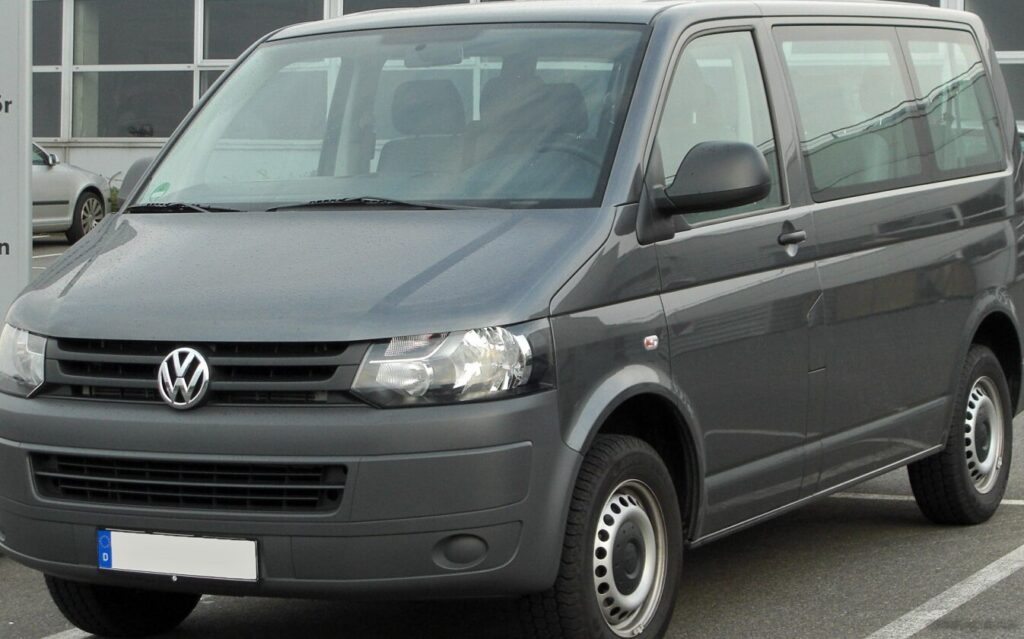
The Volkswagen Transporter (T5) facelift, produced from 2009 to 2015, represented a significant refresh of the fifth-generation Transporter line. Within this generation, the Kombi variant offered a versatile blend of commercial practicality and passenger comfort. The 2.0 TDI (84 hp) L2H2 configuration was a popular choice, particularly in European markets, serving as an entry-level option for businesses and families needing a spacious and economical vehicle. The “L2H2” designation refers to the vehicle’s body length (L2 – long wheelbase) and roof height (H2 – high roof), maximizing interior volume. This variant occupied a crucial position in the T5 lineup, offering a balance between affordability, fuel efficiency, and usability.
The 2.0 TDI (84 hp) Engine and Transmission
The heart of this Transporter Kombi is the 2.0-liter four-cylinder diesel engine, specifically the EA189 engine family, often identified by the engine code CAAA. This engine was a common sight across the Volkswagen Group during this period, powering various models like the Golf, Passat, and Touran. The 84 horsepower output at 3500 rpm, coupled with 220 Nm (162.26 lb-ft) of torque available from 1250-2500 rpm, was designed for practicality rather than outright performance. The engine utilizes a diesel common rail fuel injection system, providing precise fuel delivery for optimized combustion and reduced emissions. It also features a turbocharger with an intercooler, enhancing power output and efficiency.
The 2.0 TDI (84 hp) was almost exclusively paired with a five-speed manual transmission in the Transporter T5. While an automatic transmission was available on other T5 models, it was not typically offered with this lower-powered engine due to the potential for sluggish performance and increased strain on the gearbox. The five-speed manual transmission was chosen to maximize fuel economy and provide adequate control for the engine’s power band. The gear ratios were geared towards efficiency, with a relatively tall fifth gear for highway cruising.
Powertrain Architecture Details
The engine is transversely mounted at the front of the vehicle, driving the front wheels. The EA189 engine features a DOHC (Double Overhead Camshaft) valvetrain with four valves per cylinder, contributing to improved breathing and efficiency. The compression ratio is relatively high at 16.5:1, typical for diesel engines, aiding in efficient combustion. A particulate filter was included as standard equipment to reduce harmful emissions, meeting Euro 5 standards. Engine oil capacity is 7 liters (7.4 US qt / 6.16 UK qt) and coolant capacity is 11 liters (11.62 US qt / 9.68 UK qt).
Driving Characteristics
The 2.0 TDI (84 hp) Transporter Kombi L2H2 was not designed for speed. Acceleration from 0-100 km/h (0-62 mph) took approximately 21.2 seconds, and 0-60 mph was achieved in around 20.1 seconds. The top speed was limited to 142 km/h (88.23 mph). However, the engine’s torque delivery made it surprisingly capable for everyday driving, particularly when lightly loaded. The low-end torque provided sufficient power for navigating city streets and climbing moderate inclines.
Compared to the more powerful 2.5 TDI or 2.0 BiTDI versions of the T5, the 84 hp model felt significantly slower, especially when fully loaded with passengers and cargo. The manual transmission required more frequent gear changes to maintain momentum, particularly on hills. However, the trade-off was improved fuel economy. The combined fuel consumption, according to NEDC testing, was 7.3 l/100 km (32.2 US mpg / 38.7 UK mpg), making it an economical choice for businesses and individuals prioritizing running costs.
Equipment & Trim Levels
The 2.0 TDI (84 hp) Kombi typically served as the base trim level for the T5 range. Standard equipment generally included power steering, ABS (Anti-lock Braking System), driver and passenger airbags, and basic audio system. The interior was typically finished with durable cloth upholstery. The Kombi configuration offered flexible seating arrangements, with options for multiple rows of seats to accommodate up to nine passengers.
Optional extras included air conditioning, upgraded audio systems, alloy wheels, parking sensors, and various comfort and convenience features. Higher trim levels, such as Trendline and Highline, added more standard equipment and premium interior finishes, but were typically paired with more powerful engines. The dashboard layout was functional and straightforward, prioritizing practicality over aesthetics.
Chassis & Braking
The T5 Transporter utilized an independent suspension setup, with McPherson struts at the front and a trailing arm arrangement at the rear, incorporating a transverse stabilizer bar. This suspension configuration provided a reasonable balance between ride comfort and handling. The front brakes were ventilated discs measuring 308×29.5 mm, while the rear brakes were also ventilated discs, sized at 294×22 mm. This braking setup was adequate for the vehicle’s weight and performance capabilities. The steering system was a hydraulic rack and pinion, providing precise and responsive steering feel. Standard tire size was 215/65 R16, mounted on 6.5J x 16 inch wheel rims.
Market Reception & Comparison
The 2.0 TDI (84 hp) Transporter Kombi was generally well-received as a practical and economical workhorse. Critics praised its fuel efficiency and spacious interior, but noted its lack of outright performance. Compared to the more powerful engine options, it was considered less refined and less capable of handling heavy loads or towing. However, its lower purchase price and running costs made it an attractive option for budget-conscious buyers.
In terms of reliability, the EA189 engine, while generally robust, was later found to be affected by issues related to the diesel particulate filter (DPF) and potential problems with the fuel injectors. Regular maintenance and the use of high-quality fuel were crucial for ensuring long-term reliability. Compared to the 1.9 TDI engines found in earlier Transporter generations, the 2.0 TDI offered improved power and refinement, but also introduced new potential failure points.
Technical Specifications
| Brand | Volkswagen |
| Model | Transporter (T5, facelift 2009) Kombi |
| Type | 2.0 TDI (84 Hp) L2H2 |
| Start of production | 2009 |
| End of production | 2015 |
| Engine | 2.0 L Inline-4 Diesel (EA189 / CAAA) |
| Power | 84 hp @ 3500 rpm |
| Torque | 220 Nm @ 1250-2500 rpm (162.26 lb-ft) |
| Fuel Consumption (Combined) | 7.3 l/100 km (32.2 US mpg / 38.7 UK mpg) |
| CO2 Emissions | 193 g/km |
| Transmission | 5-speed Manual |
| Drive | Front Wheel Drive |
| Kerb Weight | 1901-2193 kg (4190.99 – 4834.74 lbs) |
| Max. Weight | 2800-3000 kg (6172.94 – 6613.87 lbs) |
| Fuel Tank Capacity | 80 l (21.13 US gal / 17.6 UK gal) |
| Dimensions (L x W x H) | 5292 x 1904 x 2176 mm (208.35 x 74.96 x 85.67 in) |
Legacy
The 2.0 TDI (84 hp) Transporter Kombi L2H2 remains a common sight on European roads today. Its affordability and practicality have made it a popular choice for small businesses, tradespeople, and families. While the EA189 engine has faced scrutiny due to emissions concerns, well-maintained examples can still provide reliable service.
In the used car market, these Transporters are generally available at relatively low prices, making them an attractive option for those seeking a spacious and economical vehicle. However, potential buyers should be aware of the potential for DPF issues and fuel injector problems, and should ensure that the vehicle has been properly maintained. Despite its age, the T5 Transporter continues to be a versatile and capable vehicle, offering a compelling combination of practicality, affordability, and durability.