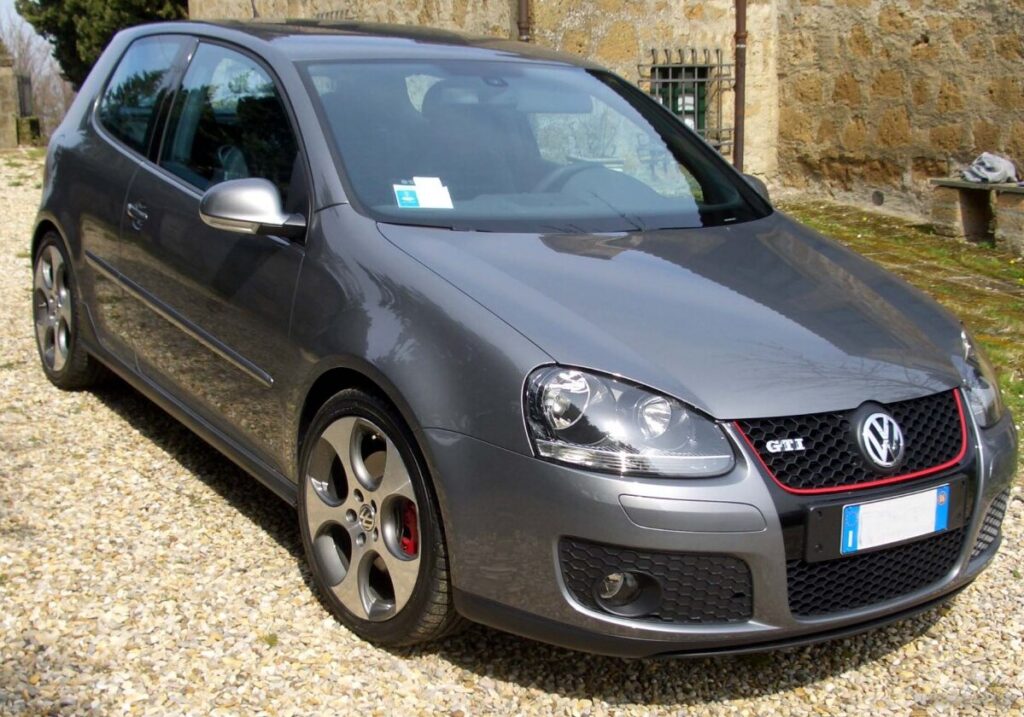
The Volkswagen Golf V GTI 2.0 TFSI (200 hp) was a performance-oriented variant of the fifth-generation Golf, produced between 2004 and 2008. Positioned as the flagship model within the Golf V range, it offered a significant step up in performance and features compared to the base models and the lower-spec GTI trims. This 3-door hatchback was a key player in the hot hatch segment, appealing to enthusiasts seeking a blend of practicality, driving enjoyment, and Volkswagen’s renowned build quality. It was built on the A5 (1HX0) platform, shared with other Volkswagen Group vehicles like the Audi A3 and Seat Leon.
Powertrain & Engine Architecture
The heart of the Golf V GTI 2.0 TFSI is the BWA engine code, a 1.984-liter (121.07 cubic inches) inline-four cylinder gasoline engine. This engine is characterized by its direct fuel injection system and a K04 turbocharger with an intercooler, technologies that contribute to its high specific output. The engine utilizes a dual overhead camshaft (DOHC) valvetrain with four valves per cylinder, optimizing airflow for increased power. The direct injection system precisely meters fuel directly into the combustion chamber, improving efficiency and reducing emissions.
Unlike some earlier GTI models that utilized naturally aspirated engines, the 2.0 TFSI delivered a substantial increase in torque and horsepower. The engine produces 200 hp (149 kW) at 5,100 rpm and 280 Nm (206.52 lb-ft) of torque between 1,800 and 5,000 rpm. The engine’s oil capacity is 4.6 liters (4.86 US quarts / 4.05 UK quarts), and it requires coolant totaling 8 liters (8.45 US quarts / 7.04 UK quarts). The BWA engine is known for its responsiveness and relatively flat torque curve, providing strong acceleration throughout the rev range.
Transmission
The Golf V GTI 2.0 TFSI was primarily equipped with a 6-speed manual transmission. While an optional 6-speed Direct-Shift Gearbox (DSG) was available, the manual transmission was the more common configuration. The manual gearbox features precise shift engagement and well-chosen gear ratios designed to maximize the engine’s performance. The DSG, a dual-clutch transmission, offered faster and smoother gear changes, enhancing both acceleration and driving comfort. However, the manual transmission was favored by purists for its greater driver involvement.
Driving Characteristics
The 200 hp output and 280 Nm of torque translate into brisk performance. Acceleration from 0 to 100 km/h (0-62 mph) takes approximately 7.2 seconds, while 0 to 60 mph is achieved in around 6.8 seconds. The top speed is electronically limited to 235 km/h (146.02 mph). The engine’s turbocharger provides a noticeable boost in power, delivering strong acceleration in the mid-range. The chassis is well-tuned, offering a good balance between comfort and handling. The GTI’s suspension is firmer than that of the standard Golf, providing improved body control and reduced roll during cornering.
Compared to the base Golf models, the GTI 2.0 TFSI offers a significantly more engaging driving experience. It feels noticeably quicker and more responsive, making it a more enjoyable car to drive on winding roads. Compared to the earlier 1.8L 20V GTI models, the 2.0 TFSI provides a broader powerband and more readily available torque. While not as raw or visceral as some of its competitors, the Golf V GTI 2.0 TFSI offers a refined and accessible performance experience.
Equipment & Trim Levels
The GTI 2.0 TFSI came standard with a comprehensive list of features. Interior appointments included sport seats upholstered in the classic GTI plaid fabric, a leather-wrapped steering wheel, and aluminum pedal caps. Standard exterior features included a unique GTI front bumper with a honeycomb grille, side skirts, a rear spoiler, and dual exhaust pipes. Other standard equipment included air conditioning, power windows, power mirrors, and a CD stereo system.
Optional extras included leather upholstery, sunroof, automatic climate control, a premium sound system, and parking sensors. The “Recaro” sport seats were a popular option, offering enhanced support and bolstering. The availability of options varied depending on the market. The GTI trim level was clearly differentiated from the base Golf models through its distinctive styling cues and upgraded interior appointments.
Chassis & Braking
The Golf V GTI 2.0 TFSI features an independent suspension system at both the front and rear. The front suspension utilizes a McPherson strut design with coil springs and an anti-roll bar, while the rear suspension employs a multi-link setup, also with a stabilizer bar. This suspension configuration provides a good balance between ride comfort and handling precision. The GTI’s chassis is lowered compared to the standard Golf, further enhancing its handling characteristics.
Braking duties are handled by ventilated disc brakes at the front and solid disc brakes at the rear. The braking system is assisted by ABS (Anti-lock Braking System), providing enhanced stopping power and stability. The GTI’s braking performance is more than adequate for its performance level, offering confident stopping power in both normal and emergency situations.
Market Reception & Comparison
The Golf V GTI 2.0 TFSI was generally well-received by automotive critics. It was praised for its strong performance, refined handling, and practical hatchback body style. Critics noted that the 2.0 TFSI engine provided a significant improvement in performance compared to previous GTI models. However, some reviewers criticized the GTI’s relatively high price compared to some of its competitors. Fuel economy, combined, averaged around 8-8.1 l/100 km (29.4-29 US mpg / 35.3-34.9 UK mpg).
Compared to other trims in the Golf V lineup, the GTI 2.0 TFSI offered a substantial performance advantage. The base Golf models with their smaller engines were significantly slower and less engaging to drive. The GTI was positioned as the enthusiast’s choice, offering a more rewarding driving experience. Compared to rivals like the Ford Focus ST and the Renault Mégane RS, the Golf V GTI 2.0 TFSI offered a more refined and balanced driving experience, although it may not have been as overtly sporty as some of its competitors.
Technical Specifications
| Brand | Volkswagen |
| Model | Golf |
| Generation | Golf V (3-door) |
| Type (Engine) | GTI 2.0 TFSI (200 Hp) |
| Start of production | 2004 |
| End of production | 2008 |
| Engine Model/Code | BWA |
| Engine displacement | 1984 cm3 (121.07 cu. in.) |
| Number of cylinders | 4 |
| Power | 200 Hp @ 5100 rpm |
| Torque | 280 Nm @ 1800-5000 rpm (206.52 lb.-ft.) |
| Fuel Type | Petrol (Gasoline) |
| Acceleration 0 – 100 km/h | 7.2 sec |
| Acceleration 0 – 62 mph | 7.2 sec |
| Maximum speed | 235 km/h (146.02 mph) |
| Kerb Weight | 1328-1428 kg (2927.74 – 3148.2 lbs.) |
| Fuel tank capacity | 55 l (14.53 US gal | 12.1 UK gal) |
| Trunk (boot) space – minimum | 350 l (12.36 cu. ft.) |
| Trunk (boot) space – maximum | 1305 l (46.09 cu. ft.) |
Legacy
The Golf V GTI 2.0 TFSI has proven to be a relatively reliable car, although the 2.0 TFSI engine is known to be susceptible to carbon buildup on the intake valves, which can reduce performance over time. Regular maintenance, including the use of high-quality oil and fuel, is essential to ensure long-term reliability. The DSG transmission, if equipped, requires regular fluid changes to prevent premature wear.
In the used car market, the Golf V GTI 2.0 TFSI remains a popular choice among enthusiasts. Its combination of performance, practicality, and build quality makes it a compelling option. Well-maintained examples command a premium price. The Golf V GTI 2.0 TFSI is considered a modern classic, representing a high point in the evolution of the Golf GTI and a benchmark for the hot hatch segment.