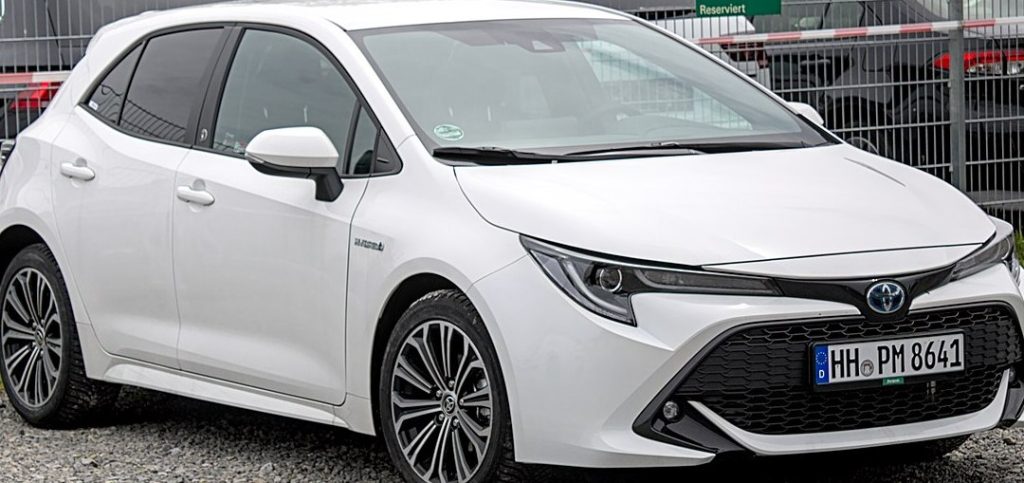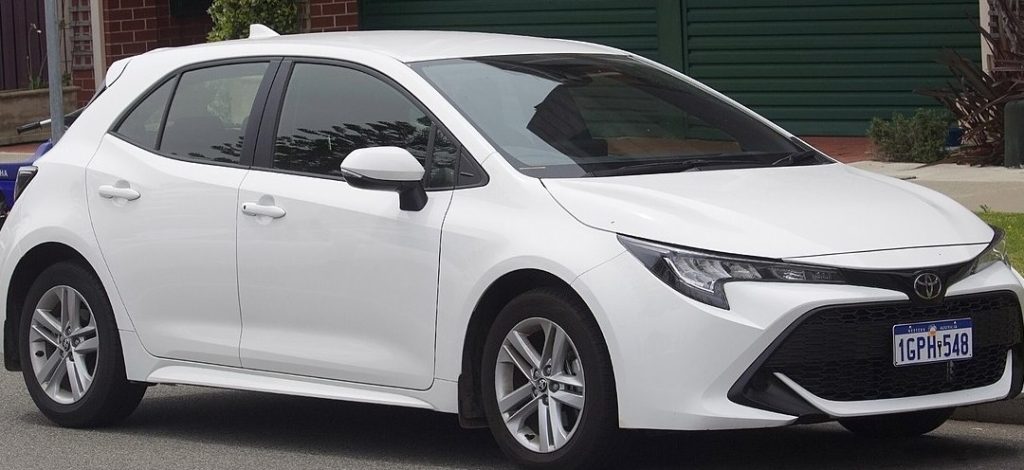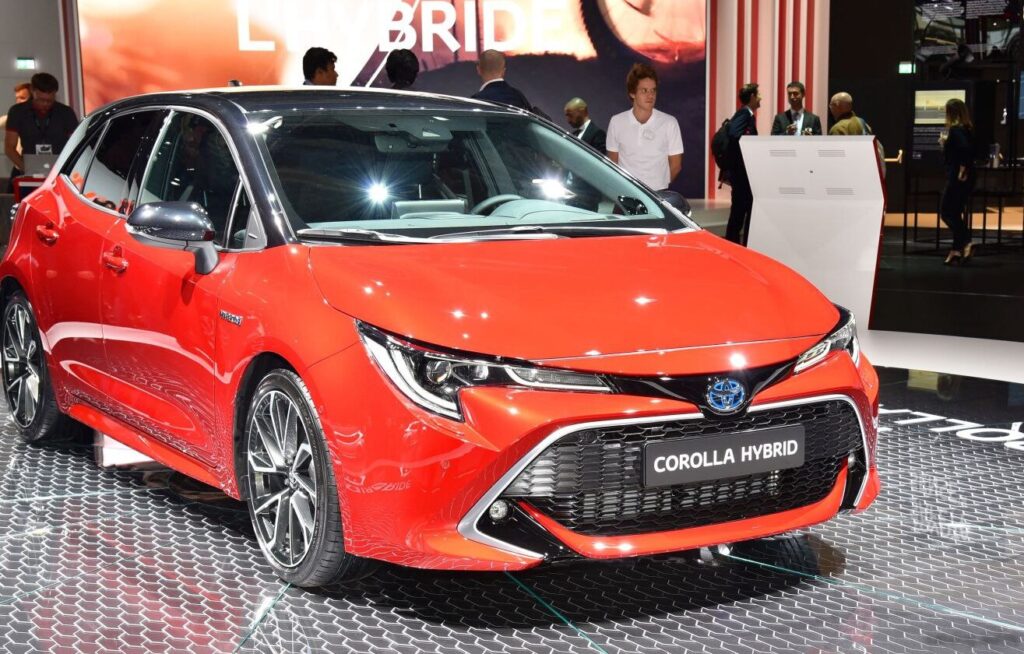
The Toyota Corolla Hatchback XII, designated the E210 series, represents the twelfth generation of Toyota’s globally renowned Corolla hatchback. Produced from 2019 to 2022, this generation marked a significant shift in design and technology for the Corolla, embracing a more dynamic and modern aesthetic. Among the various powertrain options offered, the 2.0-liter (184 hp) Hybrid e-CVT variant occupied a prominent position as a fuel-efficient and technologically advanced offering, appealing to buyers seeking a balance between performance and economy. This version was positioned as a mid-to-upper trim level within the E210 Corolla Hatchback range, offering more features and power than the base 1.8L models, but remaining more accessible than potential future performance-oriented trims.
Toyota Corolla Hatchback E210 2.0 Hybrid e-CVT: An Overview
The 2.0 Hybrid e-CVT model combined a naturally aspirated 2.0-liter gasoline engine with Toyota’s Hybrid Synergy Drive system. This configuration delivered a combined system output of 184 horsepower, making it one of the more powerful options in the E210 Corolla Hatchback lineup. The ‘e-CVT’ designation refers to Toyota’s electronically controlled continuously variable transmission, which works in conjunction with the electric motor to provide seamless and efficient power delivery. This variant was designed to appeal to drivers who prioritized fuel efficiency without sacrificing a reasonable level of performance and refinement.
Powertrain & Engine Architecture
At the heart of the 2.0 Hybrid e-CVT Corolla Hatchback lies the M20A-FXS engine, a 1987cc (121.25 cubic inches) inline-four cylinder gasoline engine. This engine utilizes a direct injection and multi-port manifold injection system, optimizing fuel combustion and efficiency. It boasts a high compression ratio of 14:1, contributing to its thermal efficiency. The engine is equipped with a Dual VVT-i (Variable Valve Timing-intelligence) system on both the intake and exhaust valves, further enhancing performance and fuel economy across a wider range of engine speeds. The engine produces 152 hp at 6000 rpm and 190 Nm (140.14 lb-ft) of torque between 4400-5200 rpm.
The Hybrid Synergy Drive system integrates a permanent magnet synchronous electric motor, powered by a 1.4 kWh Nickel-metal hydride (NiMH) battery pack located under the rear seats. The electric motor contributes an additional 109 hp and 202 Nm (148.99 lb-ft) of torque. The e-CVT transmission isn’t a traditional CVT with belts and pulleys; instead, it’s a power-split device that seamlessly blends the power from the gasoline engine and electric motor, providing a continuously variable gear ratio without the typical ‘rubber band’ feel often associated with conventional CVTs. The system can operate in electric-only mode at low speeds and under light loads, contributing to zero-emission driving and enhanced fuel efficiency.
Driving Characteristics
The 2.0 Hybrid e-CVT Corolla Hatchback delivers a smooth and refined driving experience. The e-CVT transmission provides seamless acceleration, and the combined output of the engine and electric motor results in brisk performance. Acceleration from 0 to 60 mph is achieved in approximately 7.5-7.9 seconds, making it noticeably quicker than the base 1.8L models. The electric motor provides instant torque, filling in any gaps in the gasoline engine’s power delivery. While not a sports car, the 2.0 Hybrid offers ample power for everyday driving and highway merging. The hybrid system prioritizes fuel efficiency, and the car seamlessly switches between electric, gasoline, and combined power modes, often without the driver noticing. The steering is light and precise, and the suspension provides a comfortable ride, absorbing bumps and imperfections in the road surface effectively.
Equipment & Trim Levels
The 2.0 Hybrid e-CVT trim typically included a comprehensive suite of standard features. These generally included Toyota Safety Sense 3.0, a suite of advanced driver-assistance systems encompassing features like pre-collision system with pedestrian detection, lane departure alert with steering assist, lane tracing assist, automatic high beams, and dynamic radar cruise control. Interior features commonly included automatic climate control, a touchscreen infotainment system with Apple CarPlay and Android Auto compatibility, and a rearview camera. Upholstery was typically a combination of fabric and SofTex (Toyota’s synthetic leather), and higher sub-trims offered full SofTex or genuine leather options. Optional extras could include a premium audio system, heated front seats, a power moonroof, and blind spot monitoring with rear cross-traffic alert.
Chassis & Braking
The E210 Corolla Hatchback utilizes a front-wheel-drive platform with an independent McPherson strut suspension in the front and a double wishbone suspension in the rear. The suspension is tuned for a balance between comfort and handling, providing a stable and controlled ride. The 2.0 Hybrid variant, being a higher trim level, often featured slightly stiffer suspension components compared to the base models. Braking duties are handled by ventilated discs in the front (298mm) and solid discs in the rear (274mm). The braking system is equipped with ABS (Anti-lock Braking System), Electronic Brake-force Distribution (EBD), and Brake Assist, ensuring safe and effective stopping power. The electric regenerative braking system also contributes to energy recovery and improved fuel efficiency.
Market Reception & Comparison
The 2.0 Hybrid e-CVT Corolla Hatchback was generally well-received by automotive critics. It was praised for its fuel efficiency, smooth ride, and comprehensive suite of safety features. Compared to the base 1.8L models, the 2.0 Hybrid offered a significant performance upgrade without sacrificing fuel economy. It also provided a more refined and comfortable driving experience. In comparison to other hybrid hatchbacks in the market, such as the Honda Civic Hatchback Hybrid, the Corolla offered a competitive combination of price, features, and fuel efficiency. Some critics noted that the interior design, while functional, wasn’t as visually appealing as some of its rivals. However, the overall value proposition of the 2.0 Hybrid e-CVT Corolla Hatchback was considered strong.
Technical Specifications
| Body Type | Hatchback, 5 Doors, 5 Seats |
| Engine Type | 2.0L Inline-4 Gasoline Hybrid |
| Engine Code | M20A-FXS |
| Engine Displacement | 1987 cm3 (121.25 cu. in.) |
| Horsepower (Gasoline Engine) | 152 hp @ 6000 rpm |
| Torque (Gasoline Engine) | 190 Nm (140.14 lb-ft) @ 4400-5200 rpm |
| Electric Motor Power | 109 hp |
| Electric Motor Torque | 202 Nm (148.99 lb-ft) |
| System Power | 184 hp |
| Transmission | e-CVT (Electronically Controlled Continuously Variable Transmission) |
| Fuel Consumption (Combined WLTP) | 4.9-5.3 l/100 km (48-44.4 US mpg) |
| CO2 Emissions (WLTP) | 110-120 g/km |
| 0-100 km/h (0-62 mph) | 7.9 sec |
| Top Speed | 180 km/h (111.85 mph) |
| Kerb Weight | 1340 kg (2954.19 lbs) |
| Fuel Tank Capacity | 43 l (11.36 US gal) |
Legacy
The 2.0 Hybrid e-CVT Corolla Hatchback has proven to be a reliable and durable vehicle. Toyota’s hybrid technology is well-established, and the M20A-FXS engine is known for its longevity. On the used car market, these models hold their value relatively well, due to their fuel efficiency, reliability, and comprehensive feature set. The hybrid system components, including the battery pack, have demonstrated good longevity, with many units exceeding 100,000 miles without requiring replacement. Regular maintenance, including oil changes and coolant flushes, is crucial for ensuring the long-term health of the powertrain. The E210 Corolla Hatchback, particularly the 2.0 Hybrid variant, continues to be a popular choice for buyers seeking a practical, efficient, and reliable compact hatchback.