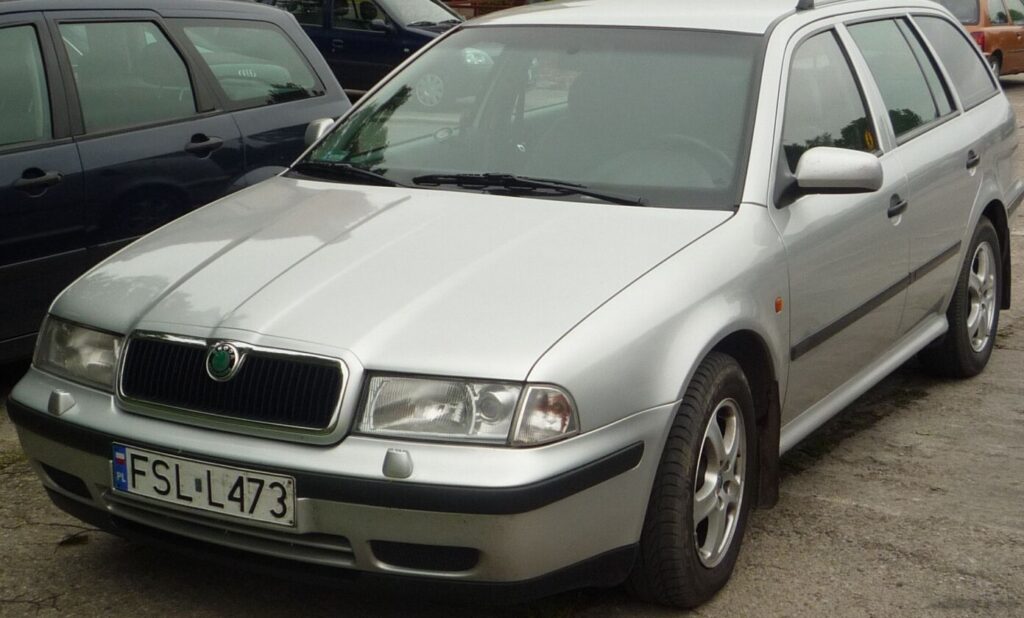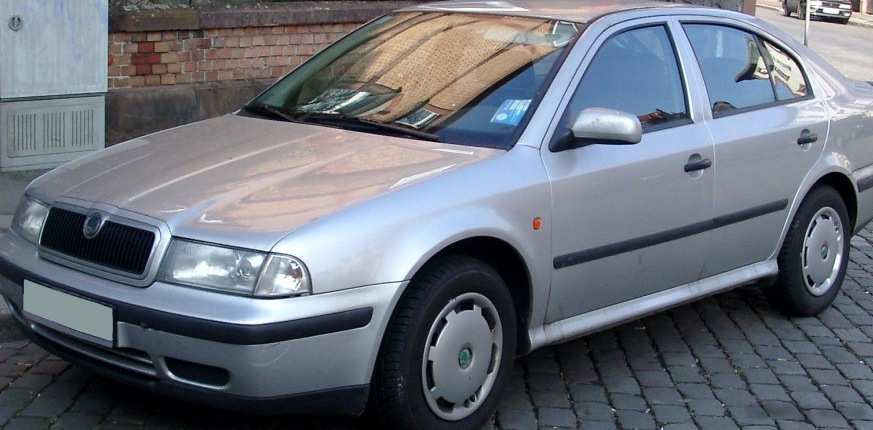
The Skoda Octavia I Tour 2.0 (115 hp) Automatic, produced between May 1999 and July 2000, represented a mid-range offering within the first generation (Type 1HX0/A3 platform) of Skoda’s popular compact. Positioned above the base 1.6-liter models but below the more powerful 1.8 20V and later 2.0 TDI variants, this configuration aimed to provide a balance of affordability, reasonable performance, and the convenience of an automatic transmission. It was a key model in Skoda’s efforts to establish itself as a mainstream automotive brand, offering a practical and spacious vehicle at a competitive price point.
Powertrain & Engine Architecture
The heart of the Octavia 2.0 Automatic was the APK, AQY, or AZH engine code, a 1984 cc (121.07 cu. in.) inline four-cylinder gasoline engine. This engine belonged to the EA827 family, a common powerplant used across the Volkswagen Group during the late 1990s and early 2000s. It featured a naturally aspirated configuration with a single overhead camshaft (OHC) operating two valves per cylinder. Fuel delivery was managed by a multi-port manifold injection system, providing a balance between efficiency and responsiveness. The compression ratio was set at 10:1.
The engine produced a maximum power output of 115 hp (86 kW) at 5200 rpm and 170 Nm (125.39 lb-ft) of torque at 2400 rpm. This output translated to a power-to-liter ratio of 58 hp/l. The engine’s transverse front-engine layout contributed to its compact footprint and favorable weight distribution.
Paired with the 2.0-liter engine was a four-speed automatic transmission. This transmission, while offering convenience, was a relatively older design compared to the five or six-speed automatics becoming more prevalent at the time. It featured standard torque converter technology and was geared towards smooth, comfortable shifts rather than outright performance. The gear ratios were optimized for fuel efficiency and everyday drivability.
Engine Codes & Variations
While the APK, AQY, and AZH codes all represent the same basic engine architecture, subtle differences existed. The AZH code, introduced later in the production run, often incorporated minor revisions to improve emissions and fuel efficiency. These variations were generally not significant enough to drastically alter performance characteristics.
Driving Characteristics
The Octavia 2.0 Automatic offered a comfortable, if not particularly exhilarating, driving experience. Acceleration from 0 to 100 km/h (0-62 mph) took approximately 12.6 seconds, and 0 to 60 mph was achieved in around 12 seconds. The top speed was rated at 195 km/h (121.17 mph). Compared to the manual transmission versions of the 2.0-liter engine, the automatic suffered a slight performance penalty due to the inherent losses within the torque converter and the less aggressive gear ratios.
The automatic transmission’s shift points were programmed for economy, resulting in a relatively relaxed driving style. While kickdown provided adequate response for overtaking maneuvers, it wasn’t particularly swift. The engine delivered its peak torque at 2400 rpm, providing reasonable pulling power in everyday driving situations. The weight-to-power ratio of 11 kg/hp and weight-to-torque ratio of 7.4 kg/Nm reflected the car’s moderate performance capabilities.
Equipment & Trim Levels
The Octavia 2.0 Automatic typically came equipped with a reasonable level of standard features. These included power steering, central locking, electric front windows, and an anti-lock braking system (ABS). Interior upholstery was generally cloth, with a functional and durable design. The dashboard layout was typical of Volkswagen Group vehicles of the era, featuring clear instrumentation and logically placed controls.
Optional extras available for this trim level included air conditioning, alloy wheels, a radio/cassette player (or CD player), and upgraded interior trim. Higher trim levels, often denoted by additional letters or packages, could add features such as a sunroof, rear electric windows, and more luxurious upholstery. The Octavia’s spacious interior and large trunk (528-1330 liters) were key selling points, regardless of trim level.
Chassis & Braking
The Octavia 2.0 Automatic utilized a coil spring suspension system at both the front and rear. The front suspension employed MacPherson struts, while the rear featured a torsion beam axle. This setup provided a good balance between ride comfort and handling. Stabilizer bars were fitted to both axles to reduce body roll during cornering.
Braking duties were handled by disc brakes on all four wheels, providing adequate stopping power for the vehicle’s weight and performance. The ABS system helped to maintain steering control during emergency braking situations. The vehicle rode on 195/65 R15 tires mounted on 6J x 15 inch steel or alloy wheels.
Market Reception & Comparison
The Skoda Octavia 2.0 Automatic received generally positive reviews from automotive critics. It was praised for its spaciousness, practicality, and value for money. However, the automatic transmission was often criticized for its relatively slow shift speeds and lack of responsiveness compared to manual transmission options. Fuel economy was considered acceptable, with combined figures of around 8.9 l/100 km (26.4 US mpg, 31.7 UK mpg).
Compared to the 1.8 20V models, the 2.0 Automatic offered slightly less power but a more relaxed driving experience. The 1.8 20V was generally considered the more engaging option for drivers who prioritized performance. In contrast to the later 2.0 TDI diesel variants, the gasoline engine offered a smoother and quieter operation but significantly lower fuel economy. The 2.0 Automatic appealed to buyers who valued convenience and affordability over outright performance.
Technical Specifications
| Brand | Skoda |
| Model | Octavia I Tour |
| Type | 2.0 (115 Hp) Automatic |
| Start of production | May, 1999 |
| End of production | July, 2000 |
| Engine Displacement | 1984 cm3 (121.07 cu. in.) |
| Number of Cylinders | 4, Inline |
| Power | 115 Hp @ 5200 rpm |
| Torque | 170 Nm @ 2400 rpm (125.39 lb.-ft. @ 2400 rpm) |
| Fuel Type | Petrol (Gasoline) |
| Acceleration 0-100 km/h | 12.6 sec |
| Acceleration 0-62 mph | 12.6 sec |
| Maximum Speed | 195 km/h (121.17 mph) |
| Kerb Weight | 1260 kg (2777.82 lbs.) |
| Max. Weight | 1805 kg (3979.34 lbs.) |
| Fuel Tank Capacity | 55 l (14.53 US gal | 12.1 UK gal) |
| Trunk (boot) space – minimum | 528 l (18.65 cu. ft.) |
| Trunk (boot) space – maximum | 1330 l (46.97 cu. ft.) |
| Transmission | 4 gears, automatic transmission |
Legacy
The Skoda Octavia I Tour 2.0 Automatic, while not the most sought-after variant, has proven to be a relatively reliable vehicle in the used car market. The EA827 engine is known for its durability, and the automatic transmission, while not particularly sophisticated, is generally robust. Common issues include oil leaks, worn suspension components, and corrosion, particularly in regions with harsh winters.
Today, these vehicles are often found as affordable and practical transportation options. Their spacious interiors and relatively low running costs make them appealing to budget-conscious buyers. While they may lack the performance and modern features of newer vehicles, the Octavia 2.0 Automatic remains a testament to Skoda’s commitment to building well-rounded and dependable cars.