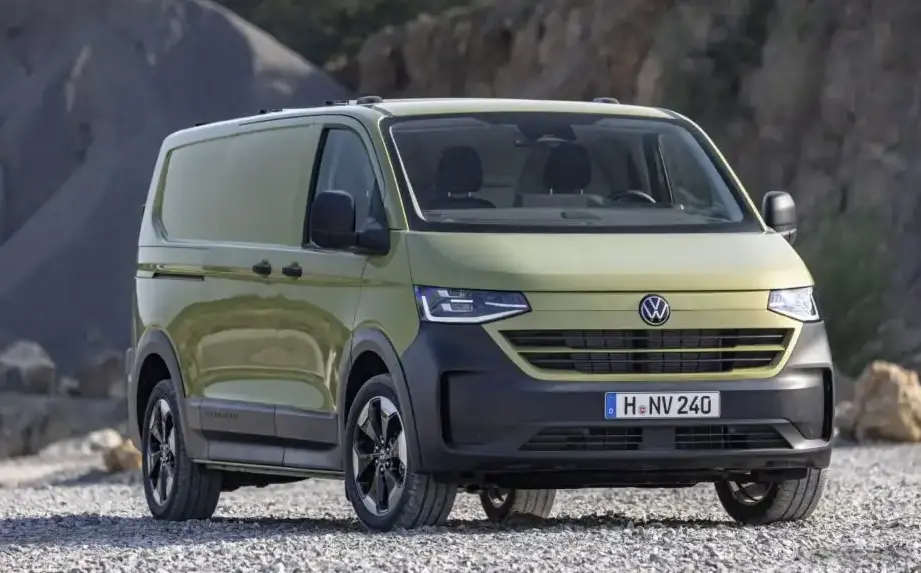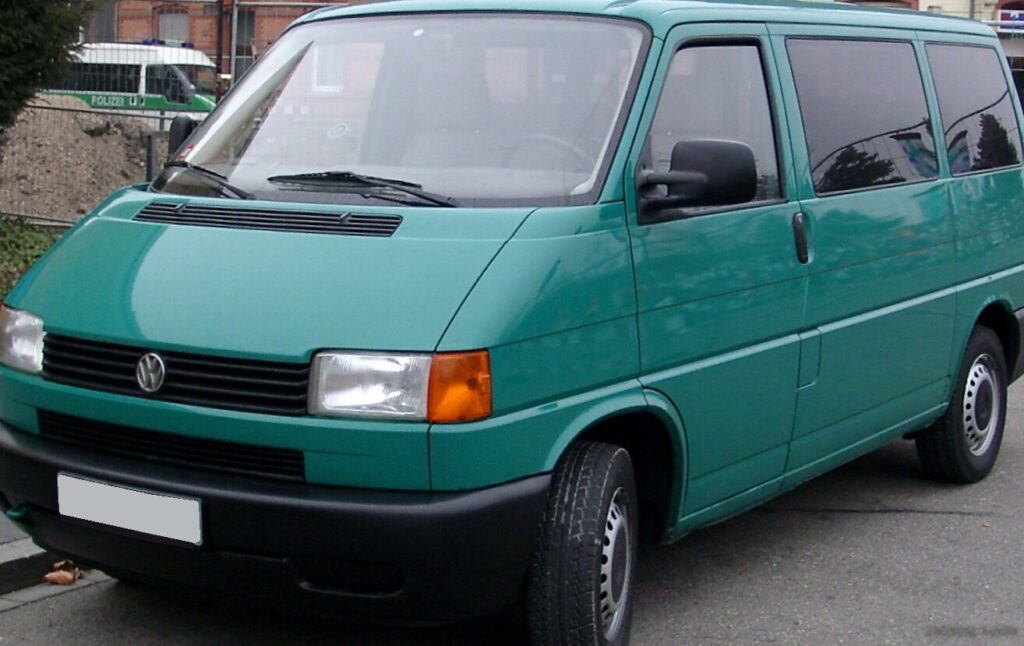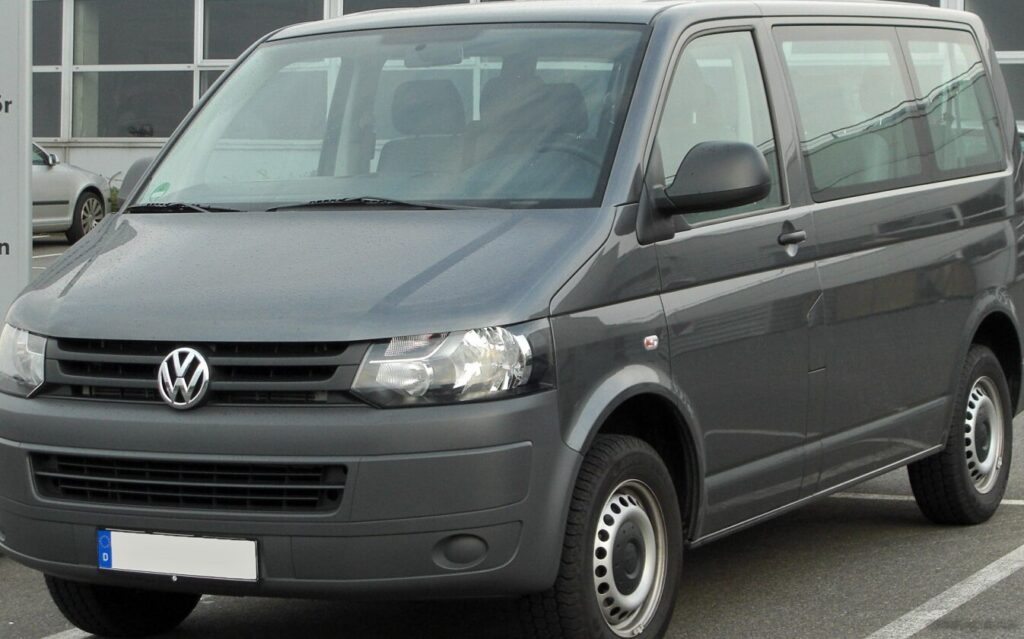
The Volkswagen Transporter (T5) facelift, produced from 2009 to 2015, represented a significant update to the fifth generation of Volkswagen’s popular commercial vehicle. Within the T5 range, the Kombi 2.0 TDI BMT (114 hp) L1H2 variant, introduced in 2011, occupied a crucial position as a fuel-efficient and practical option for both commercial and family use. The “L1H2” designation refers to the vehicle’s body length and roof height, indicating a standard wheelbase and a higher roof configuration. This specific model aimed to balance affordability, running costs, and usability, making it a common sight on European roads.
The 2.0 TDI BMT (114 hp) in the T5 Lineup
The 2.0 TDI BMT (BlueMotion Technology) 114 hp engine represented an entry-level diesel option within the T5 facelift range. Volkswagen offered a variety of engines, including more powerful TDI variants (like the 140 hp and 180 hp versions) and even a petrol option. The 114 hp model was positioned below these in terms of performance and price. It targeted buyers who prioritized fuel economy and lower purchase costs over outright speed and towing capacity. Compared to the higher-output TDI engines, the BMT version featured a slightly different engine calibration and often included additional BlueMotion Technology features to maximize efficiency. It also served as a more economical alternative to the petrol-powered Transporters.
Powertrain & Engine Architecture
The heart of the Kombi 2.0 TDI BMT was the EA189 series 2.0-liter four-cylinder diesel engine, specifically the CAAD engine code. This engine utilized common rail direct injection, delivering fuel directly into the combustion chamber at extremely high pressure. This technology, combined with a turbocharger and intercooler, optimized combustion for improved power and efficiency. The engine featured a single overhead camshaft (SOHC) design operating four valves per cylinder (DOHC). The BMT designation indicated the inclusion of features like a stop-start system, regenerative braking, and optimized aerodynamics to reduce fuel consumption and emissions.
The engine produced 114 horsepower (hp) at 3500 rpm and 250 Newton-meters (184.39 lb-ft) of torque between 1500 and 2750 rpm. This torque curve provided reasonable pulling power at lower engine speeds, making it suitable for everyday driving and light commercial tasks. The engine’s 16.5:1 compression ratio was typical for a diesel engine, contributing to its efficiency. The engine oil capacity was 7 liters (7.4 US quarts), and the cooling system held 11 liters (11.62 US quarts). The engine met Euro 5 emission standards.
Driving Characteristics
The 114 hp 2.0 TDI BMT in the T5 Kombi L1H2 offered a practical, if not particularly exhilarating, driving experience. Acceleration from 0-100 km/h (0-62 mph) took approximately 16 seconds, and the top speed was limited to 158 km/h (98.18 mph). While these figures are modest, the engine’s strong low-end torque made it feel more responsive in everyday driving situations. The five-speed manual transmission (the only transmission offered with this engine in this configuration) was well-matched to the engine’s characteristics, providing adequate gear spacing for both urban and highway driving.
Compared to the more powerful TDI variants, the 114 hp model felt noticeably slower, especially when fully loaded or climbing hills. However, the trade-off was significantly improved fuel economy. The BMT features contributed to a combined fuel consumption of 6.8 l/100 km (34.6 US mpg), making it an attractive option for businesses and individuals concerned about running costs. The front-wheel-drive configuration contributed to the vehicle’s efficiency and reduced complexity.
Equipment & Trim Levels
The Kombi trim level of the T5 facelift typically included features geared towards both passenger and cargo transport. Standard equipment on the 2.0 TDI BMT L1H2 often included power windows, central locking, an adjustable steering wheel, and a basic audio system. The interior typically featured durable cloth upholstery. The Kombi configuration allowed for flexible seating arrangements, with options for multiple rows of seats to accommodate up to nine passengers.
Optional extras included air conditioning, upgraded audio systems with Bluetooth connectivity, parking sensors, alloy wheels, and various interior trim upgrades. The L1H2 body style provided a generous cargo capacity of 6700 liters (236.61 cubic feet) with the rear seats folded or removed, making it suitable for carrying large items. The higher roof height also allowed for easier loading and unloading.
Chassis & Braking
The T5 Kombi 2.0 TDI BMT L1H2 utilized a McPherson strut front suspension with coil springs and an anti-roll bar. The rear suspension employed a semi-independent trailing arm setup with coil springs and a transverse stabilizer. This suspension configuration provided a reasonable balance between ride comfort and handling, although the vehicle’s high center of gravity and relatively soft suspension settings meant it wasn’t particularly sporty.
The braking system consisted of ventilated discs on all four wheels, providing adequate stopping power for the vehicle’s weight. Anti-lock Braking System (ABS) was standard. The steering was a hydraulic power-assisted rack and pinion system, offering light and precise steering feel. The vehicle rode on 215/65 R16 tires mounted on 6.5J x 16 steel or alloy wheels.
Market Reception & Comparison
The Volkswagen Transporter T5 facelift, and specifically the 2.0 TDI BMT 114 hp variant, received generally positive reviews for its practicality, fuel efficiency, and reliability. Critics praised the vehicle’s versatile interior, comfortable ride, and robust build quality. However, the 114 hp engine was often criticized for being underpowered, especially when the vehicle was fully loaded.
Compared to other vans and MPVs in its class, the T5 offered a premium feel and a higher level of refinement. Its fuel economy was competitive, particularly with the BMT features. Reliability was generally good, although some owners reported issues with the diesel particulate filter (DPF) and turbocharger. The T5 held its value well in the used car market, reflecting its reputation for durability and practicality.
Technical Specifications
| Brand | Volkswagen |
| Model | Transporter |
| Generation | Transporter (T5, facelift 2009) Kombi |
| Type | 2.0 TDI BMT (114 Hp) L1H2 |
| Start of production | 2011 |
| End of production | 2015 |
| Engine Displacement | 1968 cm3 (120.09 cu. in.) |
| Number of Cylinders | 4, Inline |
| Power | 114 hp @ 3500 rpm |
| Torque | 250 Nm (184.39 lb.-ft.) @ 1500-2750 rpm |
| Fuel Consumption (Combined) | 6.8 l/100 km (34.6 US mpg) |
| CO2 Emissions | 179 g/km |
| Transmission | 5-speed manual |
| Kerb Weight | 1901 kg (4190.99 lbs.) |
| Max. Weight | 2800-3200 kg (6172.94 – 7054.79 lbs.) |
| Fuel Tank Capacity | 80 l (21.13 US gal) |
| Length | 4892 mm (192.6 in.) |
| Width | 1904 mm (74.96 in.) |
| Height | 2176 mm (85.67 in.) |
Legacy
The 2.0 TDI BMT engine, while not the most powerful option in the T5 range, proved to be a reliable and fuel-efficient powerplant. The EA189 engine family, despite later facing scrutiny regarding emissions compliance (leading to recalls and updates), generally offered good longevity when properly maintained. Today, used examples of the T5 Kombi 2.0 TDI BMT L1H2 remain popular choices for businesses and individuals seeking a practical and affordable van. Regular maintenance, including timely servicing of the DPF and turbocharger, is crucial to ensure the continued reliability of these vehicles. The T5 continues to be a sought-after model in the used commercial vehicle market, appreciated for its versatility and robust construction.