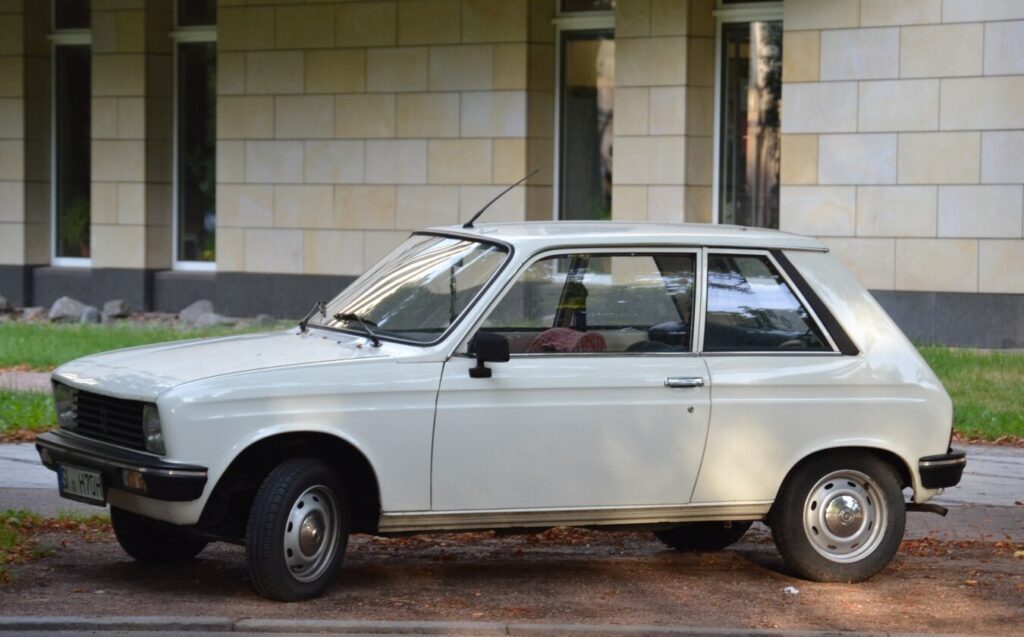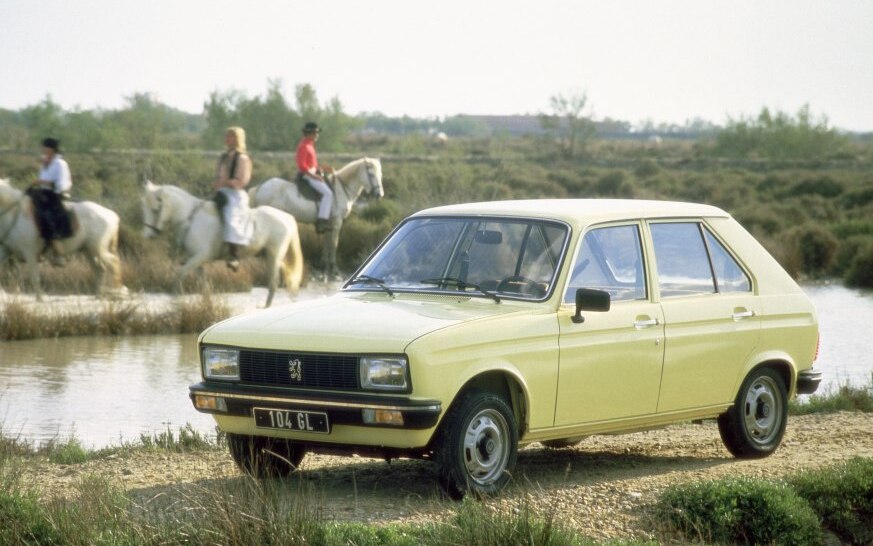
The Peugeot 104 1.1, producing 57 horsepower, was a mainstay of the Peugeot lineup from 1976 to 1982. It represented the entry-level offering within the 104 series, a small, front-wheel-drive hatchback designed as a modern alternative to the aging Peugeot 204. The 104, internally designated as Type B1, was a significant departure for Peugeot, embracing a lighter, more efficient design philosophy. The 1.1-liter variant specifically targeted budget-conscious buyers seeking economical transportation, and it played a crucial role in establishing the 104 as a popular choice in Europe.
Peugeot 104 1.1: Positioning and Overview
The Peugeot 104 was conceived in the early 1970s as a replacement for the Peugeot 204, but rather than a direct replacement, it was designed to sit *below* the 204 in terms of price and size. This allowed Peugeot to cater to a wider market segment. The 104 range initially featured 954cc and 1124cc engines, with the 1.1-liter (1124cc) version becoming the most common and longest-produced variant. It was positioned as the base model, offering a more affordable entry point into the 104 family. Higher trim levels included the 1.3-liter engine, offering increased performance, and later, diesel options were introduced. The 1.1-liter model was primarily aimed at urban drivers and those prioritizing fuel efficiency over outright speed.
Powertrain & Engine Architecture
The heart of the Peugeot 104 1.1 was the XW3 engine, specifically the 109 variant. This was a naturally aspirated, inline-four cylinder engine with a displacement of 1124cc (1.1 liters). It featured a cast iron block and an aluminum cylinder head. The engine utilized a single overhead camshaft (SOHC) valvetrain, operating two valves per cylinder. Fuel delivery was managed by a single Solex carburetor, a common setup for vehicles of this era. The XW3 engine was known for its simplicity and reliability, although its power output was modest. The engine produced 57 horsepower (42 kW) at 6000 rpm and 68 lb-ft (92 Nm) of torque at 4000 rpm.
The 104 1.1 was typically paired with a four-speed manual transmission, which was the most common configuration. However, a three-speed automatic transmission was also available, albeit less frequently chosen due to its impact on fuel economy and performance. The automatic transmission was a conventional hydraulic automatic, offering smooth but relatively slow gear changes. The front-wheel-drive layout, a relatively new feature for Peugeot at the time, contributed to the car’s compact dimensions and improved interior space utilization. The drivetrain was a simple setup, with driveshafts connecting the transmission to the front wheels.
Driving Characteristics
The driving experience in the Peugeot 104 1.1 was characterized by its light weight and nimble handling. With a curb weight of around 1,700 lbs (770 kg), the 57 horsepower engine provided adequate, though not exhilarating, performance. Acceleration from 0 to 60 mph took approximately 16-18 seconds, making it unsuitable for rapid overtaking. The four-speed manual transmission allowed drivers to make the most of the available power, while the three-speed automatic resulted in noticeably slower acceleration. The gear ratios were relatively tall, prioritizing fuel economy over performance. The steering was light and precise, making it easy to maneuver in urban environments. The suspension, consisting of independent front suspension with torsion bars and a trailing arm rear suspension, provided a comfortable ride, although it could become somewhat unsettled on uneven surfaces. The 104 1.1 was not designed for high-speed cruising; its strengths lay in its city driving capabilities and fuel efficiency.
Equipment & Trim Levels
The Peugeot 104 1.1 was typically offered in a relatively basic trim level, reflecting its position as the entry-level model. Standard features included cloth upholstery, vinyl floor covering, and basic instrumentation consisting of a speedometer, fuel gauge, and temperature gauge. The seats were typically simple and supportive, designed for comfort rather than luxury. The dashboard was functional and straightforward, with minimal ornamentation. Optional extras included a radio, heated rear window, and upgraded upholstery. Later models saw the introduction of more options, such as a sunroof and improved interior trim materials. The exterior trim was also relatively simple, with black plastic bumpers and chrome detailing. The 104 1.1 generally lacked power steering or air conditioning, reflecting its focus on affordability.
Chassis & Braking
The Peugeot 104 featured a monocoque chassis construction, providing a good balance of strength and lightness. The front suspension utilized independent torsion bar springs, offering a comfortable ride and good handling characteristics. The rear suspension employed a trailing arm setup with coil springs. The braking system consisted of front disc brakes and rear drum brakes. The disc brakes provided adequate stopping power, while the drum brakes were less effective. The 104 1.1 did not feature power-assisted brakes, requiring a reasonable amount of pedal effort. The steering was a rack and pinion system, providing precise and responsive steering feel. The tires were typically narrow, prioritizing fuel economy over grip. Stabilizer bars were not standard equipment on the base 1.1 model, contributing to a slightly more pronounced body roll in corners.
Market Reception & Comparison
The Peugeot 104 1.1 was generally well-received by critics and consumers alike. It was praised for its fuel efficiency, nimble handling, and affordability. However, its modest power output and basic interior were also noted. Compared to its siblings, the 1.3-liter 104 offered significantly more performance, but at a higher price point. The diesel-powered 104 provided even better fuel economy, but with reduced acceleration. The 104 1.1 competed with other small hatchbacks of the era, such as the Renault 5, Citroën 2CV, and Fiat 127. The 104 1.1 generally offered a more refined driving experience than the Citroën 2CV, but was less sporty than the Renault 5. Fuel economy figures for the 104 1.1 typically ranged from 35 to 45 mpg, depending on driving conditions. Reliability was generally good, although the carburetor required periodic adjustment and maintenance.
Technical Specifications
| Engine Type | Inline-Four, Naturally Aspirated |
| Engine Displacement | 1124 cc (1.1 L) |
| Engine Code | XW3 109 |
| Power Output | 57 hp (42 kW) @ 6000 rpm |
| Torque Output | 68 lb-ft (92 Nm) @ 4000 rpm |
| Fuel System | Solex Carburetor |
| Valvetrain | SOHC, 2 Valves per Cylinder |
| Transmission | 4-Speed Manual (most common), 3-Speed Automatic (optional) |
| Drivetrain | Front-Wheel Drive |
| Curb Weight | Approx. 1700 lbs (770 kg) |
| 0-60 mph | 16-18 seconds (approx.) |
| Fuel Economy | 35-45 mpg (estimated) |
| Brakes (Front/Rear) | Disc / Drum |
Legacy
The Peugeot 104 1.1 remains a popular choice among classic car enthusiasts today. Its simplicity, reliability, and affordability make it an attractive option for those seeking a vintage hatchback. The XW3 engine is known for its durability, and many examples are still running reliably after decades of service. However, finding parts can be challenging, as production ceased over 40 years ago. The 104 1.1 is often viewed as a charming and practical classic, representing a bygone era of automotive design. Its influence can be seen in later Peugeot models, which continued to embrace the principles of lightweight construction and fuel efficiency. In the used car market, well-maintained examples of the 104 1.1 can fetch reasonable prices, reflecting their growing popularity among collectors and enthusiasts.