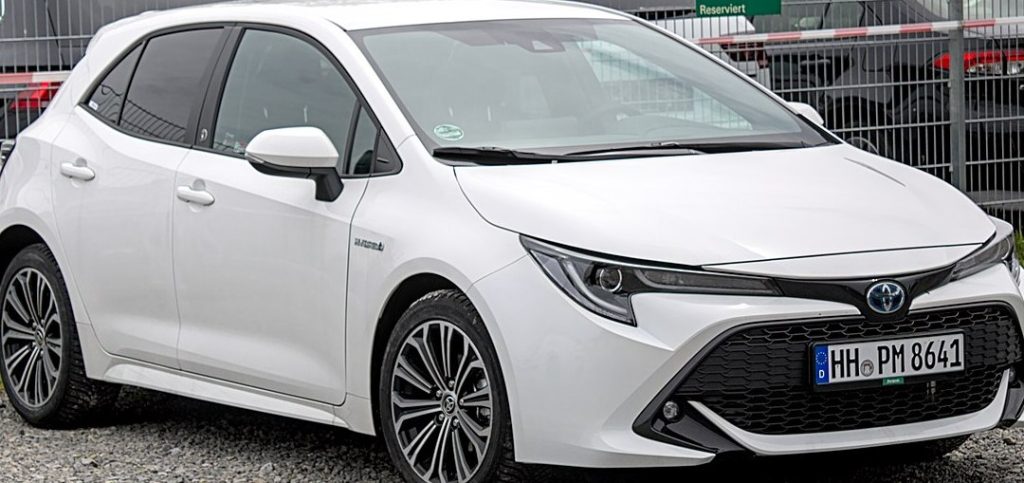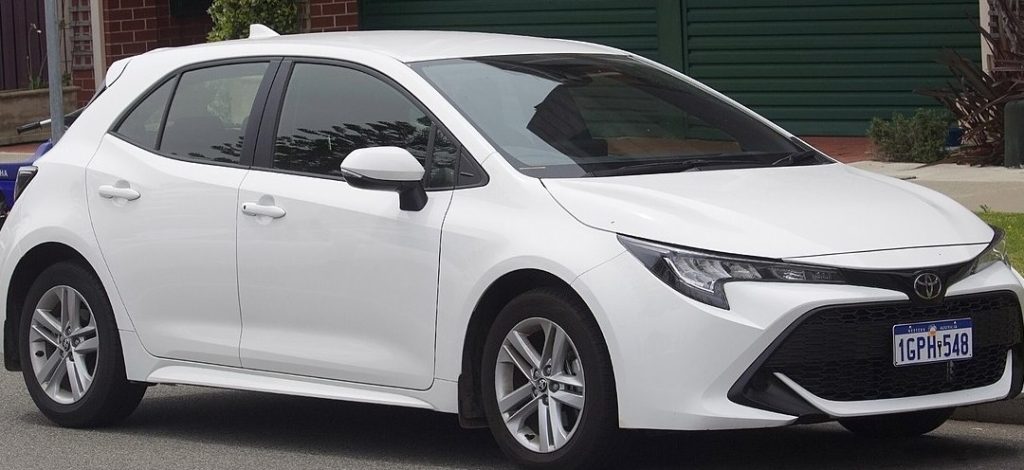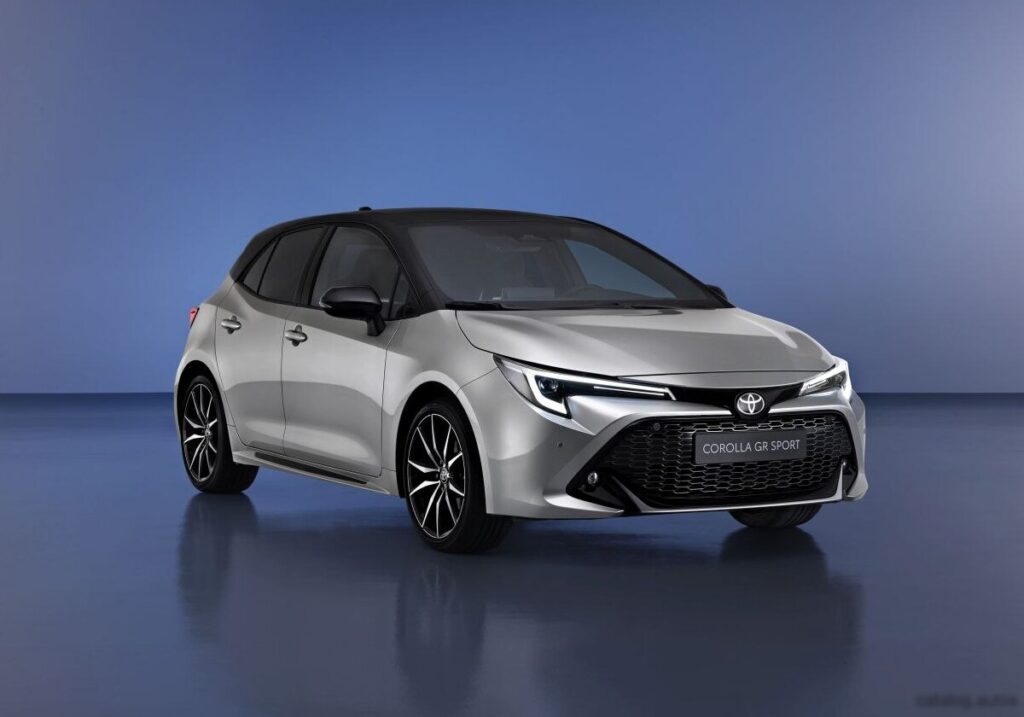
The Toyota Corolla Hatchback XII, specifically the 2.0 (196 Hp) Hybrid e-CVT variant, represents a significant evolution in Toyota’s compact hatchback offerings. Introduced in June 2022 as part of the E210 facelift, this model combines a 2.0-liter gasoline engine with a hybrid electric system, utilizing a unique electronically controlled continuously variable transmission (e-CVT). This variant sits at the top of the Corolla Hatchback range, offering a balance of performance, fuel efficiency, and modern technology. It builds upon the foundation of the 1HX0/A3 platform, shared with other Toyota and Scion models, and aims to appeal to buyers seeking a practical yet engaging driving experience.
Powertrain & Engine Architecture
The heart of the 2.0 Hybrid is the M20A-FXS engine, a 1.987-liter (121.25 cubic inches) inline-four cylinder gasoline engine. This engine produces 152 horsepower at 6000 rpm and 190 Nm (140.14 lb-ft) of torque between 4400-5200 rpm. It features direct injection and multi-port manifold injection, optimizing fuel delivery for both efficiency and power. The engine also incorporates Toyota’s Dual VVT-i (Variable Valve Timing-intelligence) system, which adjusts both intake and exhaust valve timing to enhance performance across the rev range. The compression ratio is a high 14:1, contributing to thermal efficiency.
Complementing the gasoline engine is an electric motor producing 113 horsepower and 206 Nm (151.94 lb-ft) of torque. This electric motor is integrated directly into the e-CVT, eliminating the need for a traditional torque converter. The battery pack, utilizing Lithium-ion technology and operating at 222V, is located under the rear seats, minimizing impact on passenger or cargo space. The system’s combined output is 196 horsepower. The e-CVT isn’t a conventional CVT; it’s a power-split device that seamlessly blends power from the engine and electric motor, providing a smooth and efficient driving experience. The Start & Stop System further enhances fuel economy by automatically shutting off the engine when the vehicle is stationary.
e-CVT Operation
Toyota’s e-CVT system operates differently than traditional automatic transmissions. It doesn’t have fixed gear ratios. Instead, it uses a planetary gearset to continuously vary the effective gear ratio, optimizing engine speed for maximum efficiency or power. The electric motor can act as a generator, charging the battery during deceleration or supplementing the engine during acceleration. This allows for a seamless transition between electric, gasoline, and combined power delivery.
Driving Characteristics
The 2.0 Hybrid e-CVT delivers a noticeably more responsive driving experience compared to lower-powered Corolla Hatchback variants. Acceleration from 0 to 100 km/h (0-62 mph) takes 7.5 seconds, and 0-60 mph is achieved in approximately 7.1 seconds. While not a sports car, the combined power output provides ample acceleration for everyday driving and highway merging. The e-CVT contributes to a smooth, linear acceleration curve, lacking the stepped shifts of a traditional automatic. The system prioritizes fuel efficiency, and the engine will often operate at lower RPMs, especially during gentle acceleration. However, when more power is demanded, the e-CVT seamlessly adjusts to provide optimal performance. Compared to a manual transmission equipped Corolla, the e-CVT prioritizes ease of use and fuel economy over driver engagement.
Equipment & Trim Levels
The 2.0 Hybrid e-CVT typically represents the highest trim level available for the Corolla Hatchback. Standard features generally include Toyota Safety Sense 3.0, which encompasses a suite of advanced driver-assistance systems such as Pre-Collision System with Pedestrian Detection, Lane Departure Alert with Lane Tracing Assist, Dynamic Radar Cruise Control, and Road Sign Assist. Interior features typically include comfortable cloth or SofTex (Toyota’s synthetic leather) upholstery, an 8-inch touchscreen infotainment system with Apple CarPlay and Android Auto compatibility, and a suite of connectivity features. Optional extras often include a premium audio system, heated front seats, a power moonroof, and blind-spot monitoring with rear cross-traffic alert.
Chassis & Braking
The Corolla Hatchback utilizes a front-wheel-drive layout. The front suspension consists of an independent McPherson strut setup with coil springs and an anti-roll bar. The rear suspension employs a double wishbone configuration, also with coil springs and a transverse stabilizer bar. This suspension setup provides a comfortable ride while maintaining reasonable handling characteristics. Braking duties are handled by ventilated discs at the front and solid discs at the rear. The vehicle is equipped with ABS (Anti-lock Braking System) as standard. The curb weight of 1240 kg (2733.73 lbs) is relatively low for a hybrid vehicle, contributing to its agility.
Market Reception & Comparison
The 2.0 Hybrid e-CVT Corolla Hatchback has been generally well-received by automotive critics. Its fuel economy, ranging from 4.4-5.4 l/100 km (43.6-52.3 US mpg), is a major selling point, particularly in markets with high fuel prices. The smooth and quiet operation of the hybrid powertrain is also praised. Compared to the base 1.8L engine option, the 2.0 Hybrid offers significantly improved performance. While the 1.8L prioritizes affordability, the 2.0 Hybrid targets buyers who value a more refined and engaging driving experience. Reliability is expected to be high, consistent with Toyota’s reputation. However, the e-CVT, while efficient, may require specialized maintenance compared to a traditional automatic transmission.
Technical Specifications
| Brand | Toyota |
| Model | Corolla |
| Generation | Corolla Hatchback XII (E210, facelift 2022) |
| Type (Engine) | 2.0 (196 Hp) Hybrid e-CVT |
| Start of production | June, 2022 |
| Powertrain Architecture | FHEV (Full Hybrid Electric Vehicle) |
| Body type | Hatchback |
| Seats | 5 |
| Doors | 5 |
| Fuel consumption at Low speed (WLTP) | 4.8-5.1 l/100 km (49 – 46.1 US mpg) |
| Fuel consumption at Medium speed (WLTP) | 4.5-4.7 l/100 km (52.3 – 50 US mpg) |
| Fuel consumption at high speed (WLTP) | 4.4-4.9 l/100 km (53.5 – 48 US mpg) |
| Fuel consumption at very high speed (WLTP) | 6.4-6.6 l/100 km (36.8 – 35.6 US mpg) |
| Combined fuel consumption (WLTP) | 5.3-5.4 l/100 km (44.4 – 43.6 US mpg) |
| CO2 emissions (WLTP) | 112-123 g/km |
| Fuel Type | Petrol (Gasoline) |
| Acceleration 0 – 100 km/h | 7.5 sec |
| Acceleration 0 – 62 mph | 7.5 sec |
| Acceleration 0 – 60 mph | 7.1 sec |
| Maximum speed | 180 km/h (111.85 mph) |
| Emission standard | Euro 6d-ISC-FCM |
| Weight-to-power ratio | 6.3 kg/Hp |
| Weight-to-torque ratio | 6.5 kg/Nm |
| Battery voltage | 222 V |
| Battery technology | Lithium-ion (Li-Ion) |
| Electric motor power | 113 Hp |
| Electric motor Torque | 206 Nm (151.94 lb.-ft.) |
| System power | 196 Hp |
| Engine Power | 152 Hp @ 6000 rpm |
| Engine Torque | 190 Nm @ 4400-5200 rpm (140.14 lb.-ft. @ 4400-5200 rpm) |
| Engine displacement | 1987 cm3 (121.25 cu. in.) |
| Number of cylinders | 4 |
| Kerb Weight | 1240 kg (2733.73 lbs.) |
| Trunk (boot) space – minimum | 313 l (11.05 cu. ft.) |
| Trunk (boot) space – maximum | 1004 l (35.46 cu. ft.) |
Legacy
The 2.0 Hybrid e-CVT powertrain in the Corolla Hatchback represents a significant step forward in Toyota’s hybrid technology. While long-term reliability data is still emerging, Toyota’s proven track record with hybrid systems suggests that this powertrain should be durable and dependable. The e-CVT, while requiring specialized maintenance, is generally considered reliable. On the used car market, these models are expected to hold their value well due to their fuel efficiency and Toyota’s reputation for quality. As fuel economy standards continue to tighten, the 2.0 Hybrid e-CVT Corolla Hatchback is likely to become increasingly desirable among buyers seeking a practical and efficient compact car.