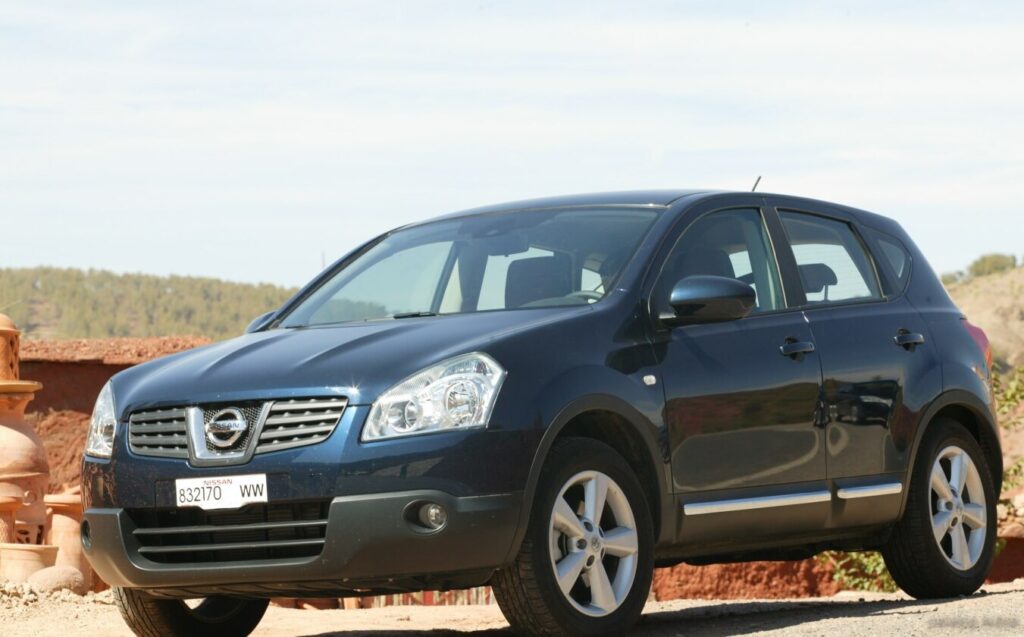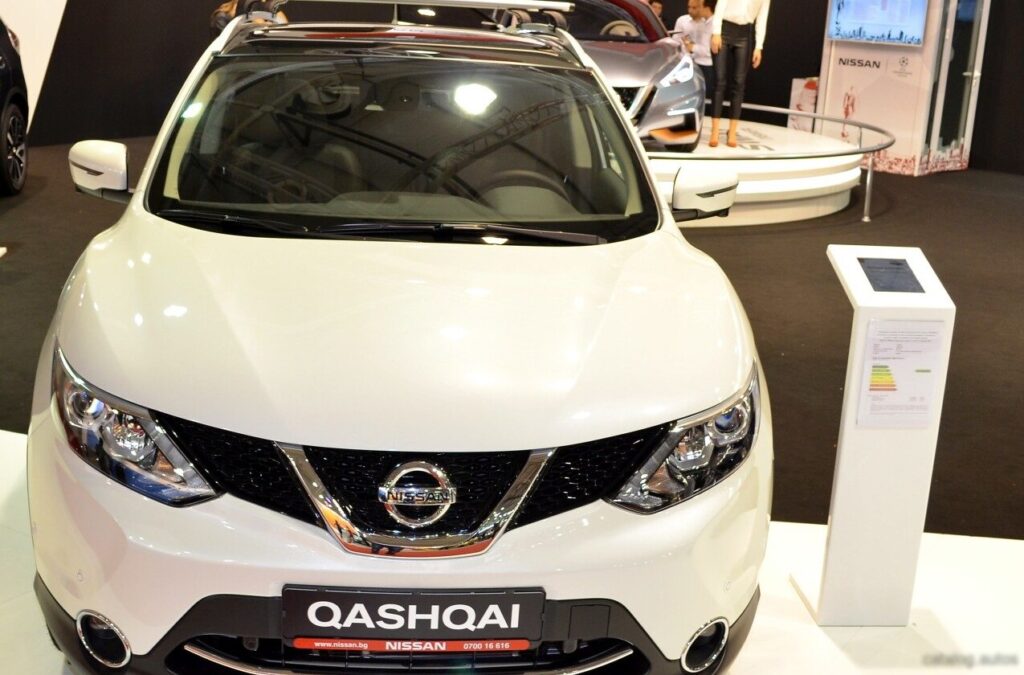
The Nissan Qashqai II (J11) 2.0 (141 Hp) Xtronic represents a mid-range offering within the second generation of Nissan’s popular crossover SUV, produced from 2017 to 2019. Positioned between the entry-level 1.2L DIG-T models and the more powerful diesel variants, the 2.0L Xtronic aimed to provide a balance of performance, fuel efficiency, and refinement for buyers seeking a comfortable and practical family vehicle. The J11 Qashqai, built on the CMF-CD platform (Common Module Family – Compact Dynamic), represented a significant upgrade over its predecessor, offering increased space, improved technology, and a more sophisticated driving experience.
Powertrain & Engine Architecture
At the heart of the Qashqai II 2.0 Xtronic lies the MR20DD 2.0-liter inline-four cylinder gasoline engine. This engine is a naturally aspirated powerplant, meaning it does not utilize a turbocharger or supercharger to force air into the cylinders. It produces 141 horsepower at 6000 rpm and 199 Nm (146.77 lb-ft) of torque at 4400 rpm. The engine features direct fuel injection, which improves combustion efficiency and power delivery. The valvetrain utilizes a Dual Overhead Camshaft (DOHC) configuration with Continuously Variable Valve Timing Control System (CVTCS) to optimize engine performance across the rev range.
The “Xtronic” designation refers to Nissan’s Continuously Variable Transmission (CVT). Unlike traditional automatic transmissions with fixed gear ratios, a CVT utilizes a belt and pulley system to provide a theoretically infinite number of gear ratios within its operating range. This allows the engine to operate at its most efficient rpm for any given speed and load, contributing to improved fuel economy. The Xtronic CVT in the Qashqai II is a Jatco-sourced unit, known for its smoothness and reliability. It features a simulated step-shift program to mimic the feel of a conventional automatic transmission, addressing some driver preferences for a more familiar driving experience. The engine oil capacity is 3.8 liters (4.02 US qt / 3.34 UK qt), and the recommended oil specification should be consulted in the vehicle’s owner’s manual.
Fuel Injection and Emissions
The MR20DD engine employs a direct injection system, delivering fuel directly into the combustion chamber. This allows for more precise fuel control, resulting in improved fuel efficiency and reduced emissions. The Qashqai II 2.0 Xtronic meets LEV3 ULEV70 emission standards, indicating a relatively low level of pollutants released into the atmosphere.
Driving Characteristics
The 2.0L Xtronic powertrain delivers adequate, though not particularly sporty, performance. Acceleration is linear and predictable, with the CVT effectively managing engine rpm to maximize efficiency. The absence of a turbocharger means that peak torque is not available at low engine speeds, requiring the driver to utilize more of the engine’s rev range for brisk acceleration. Compared to the 1.2L DIG-T, the 2.0L offers more readily available power, particularly when fully loaded or tackling inclines. However, it lacks the punch of the diesel variants. The CVT contributes to a smooth and refined driving experience, minimizing harsh shifts. The continuously variable nature of the transmission can sometimes feel disconnected, particularly during aggressive acceleration, as the engine may hold at a constant rpm while vehicle speed increases. The weight-to-power ratio of 10.4 kg/Hp and weight-to-torque ratio of 7.4 kg/Nm reflect the vehicle’s moderate performance capabilities.
Equipment & Trim Levels
The Qashqai II 2.0 Xtronic was typically offered in mid-level trim configurations, often designated as “N-Connecta” or similar. Standard equipment generally included alloy wheels (typically 17-inch), automatic climate control, a touchscreen infotainment system with navigation, Bluetooth connectivity, rear parking sensors, and a rearview camera. Interior upholstery was typically cloth, with options for leather upgrades. Higher trim levels added features such as a panoramic sunroof, heated front seats, and advanced driver-assistance systems like adaptive cruise control and lane departure warning. Optional extras often included metallic paint finishes and upgraded audio systems.
Chassis & Braking
The Qashqai II utilizes an independent McPherson strut suspension setup at the front, providing a comfortable ride and responsive handling. The rear suspension employs an independent multi-link configuration, further enhancing ride quality and stability. A stabilizer bar is fitted to both the front and rear axles to reduce body roll during cornering. Braking duties are handled by ventilated discs at the front (296×26 mm) and solid discs at the rear (292×16 mm). The vehicle is equipped with an Anti-lock Braking System (ABS) as standard. Steering is electrically assisted, providing light and precise control. Tire sizes varied depending on the trim level, with options ranging from 215/65 R16 to 225/45 R19.
Market Reception & Comparison
The Nissan Qashqai II 2.0 Xtronic was generally well-received by automotive critics as a practical and comfortable family crossover. The CVT transmission was praised for its smoothness, but some reviewers noted its lack of engagement compared to traditional automatic transmissions or manual gearboxes. Fuel economy figures of 8.1 l/100 km (29 US mpg combined) were considered respectable for a vehicle of its size and class. Compared to the 1.2L DIG-T, the 2.0L offered more power and refinement, but at the expense of slightly higher fuel consumption. The diesel variants provided superior fuel economy and torque, but were often more expensive to purchase and maintain. Reliability reports generally indicated good overall dependability, with the MR20DD engine and Jatco CVT proving to be relatively robust.
Technical Specifications
| Body Type | SUV, Crossover, 5 Doors, 5 Seats |
| Engine Type | Petrol (Gasoline) |
| Engine Displacement | 1997 cm3 (121.86 cu. in.) |
| Number of Cylinders | 4, Inline |
| Power | 141 Hp @ 6000 rpm |
| Torque | 199 Nm (146.77 lb.-ft.) @ 4400 rpm |
| Fuel Injection | Direct Injection |
| Valvetrain | DOHC, CVTCS |
| Transmission | Xtronic CVT (Continuously Variable Transmission) |
| Drive Wheels | Front Wheel Drive |
| Kerb Weight | 1463-1478 kg (3225.36 – 3258.43 lbs.) |
| Max. Weight | 1975 kg (4354.13 lbs.) |
| Fuel Tank Capacity | 55 l (14.53 US gal / 12.1 UK gal) |
| Trunk (Boot) Space (min/max) | 564 – 1509 l (19.92 – 53.29 cu. ft.) |
| Length | 4380 mm (172.44 in.) |
| Width | 1838 mm (72.36 in.) |
| Height | 1607 mm (63.27 in.) |
Legacy
The Nissan Qashqai II 2.0 Xtronic has proven to be a reliable and popular choice in the used car market. The MR20DD engine is known for its durability, and the Jatco CVT, while requiring regular fluid changes, has generally demonstrated good longevity. These vehicles represent a good value proposition for buyers seeking a practical, comfortable, and well-equipped crossover SUV. Common maintenance items include routine oil and filter changes, CVT fluid replacement, and inspection of suspension components. The Qashqai II’s blend of practicality, affordability, and reliability has cemented its position as a leading contender in the competitive crossover segment.